
Every workplace is legally required to have a first-aid kit, and it is highly recommended that every household has the same. However, it is important not just to have the kit, but also to ensure it is kept well-stocked in case of an accident or emergency. Emergencies can happen to anyone, anywhere and at any anytime, so it is crucial to have your first-aid kit ready and up to date. First-aid kits range from basic to extensive, depending on your knowledge in the field of medicine and how far are from professional medical help.
Commercial first-aid kits are available in the market, which contains all the immediate necessary supplies, but you can also build one yourself, which is an economically better option. In this article, we will highlight all the essentials that should be included in a first-aid kit for your home, as well as what to pack in your travel first-aid kit.
First-Aid Kit for Home
A basic first-aid kit for your home should include supplies to deal with burns, cuts, sprains, strains, stings, scrapes, and splinters.
A first-aid kit for home should contain:
- Anesthetic Sprays or lotion to heal insect bites, itching, or rashes.
- A good number of Adhesive Tapes.
- Several 4″ by 4″ sterile gauze pads are used for cleaning and covering wounds or as an eye patch.
- Ace bandages of all sizes (2’’,3’’,4’’) that can be used to wrap wounds, splints, or sprained or strained joints.
- All sizes of adhesive bandages.
- Benadryl or any other oral Antihistamine to treat itching rashes and allergic reactions.
- Gloves that can be used for protection against infections and in emergencies can be used as ice packs by filling them with water and freezing.
- Antibiotic creams for simple wounds.
- Non-sticky pads are used to cover wounds and burns.
- Masks
- Re-sealable oven bags can be used as a container for holding the contaminated articles and can even be used as an ice pack in an emergency.
- Safety pins of both sizes can be used to secure triangular bandages or for removing a splinter.
- Triangular bandages
- Scissors
- Tweezers
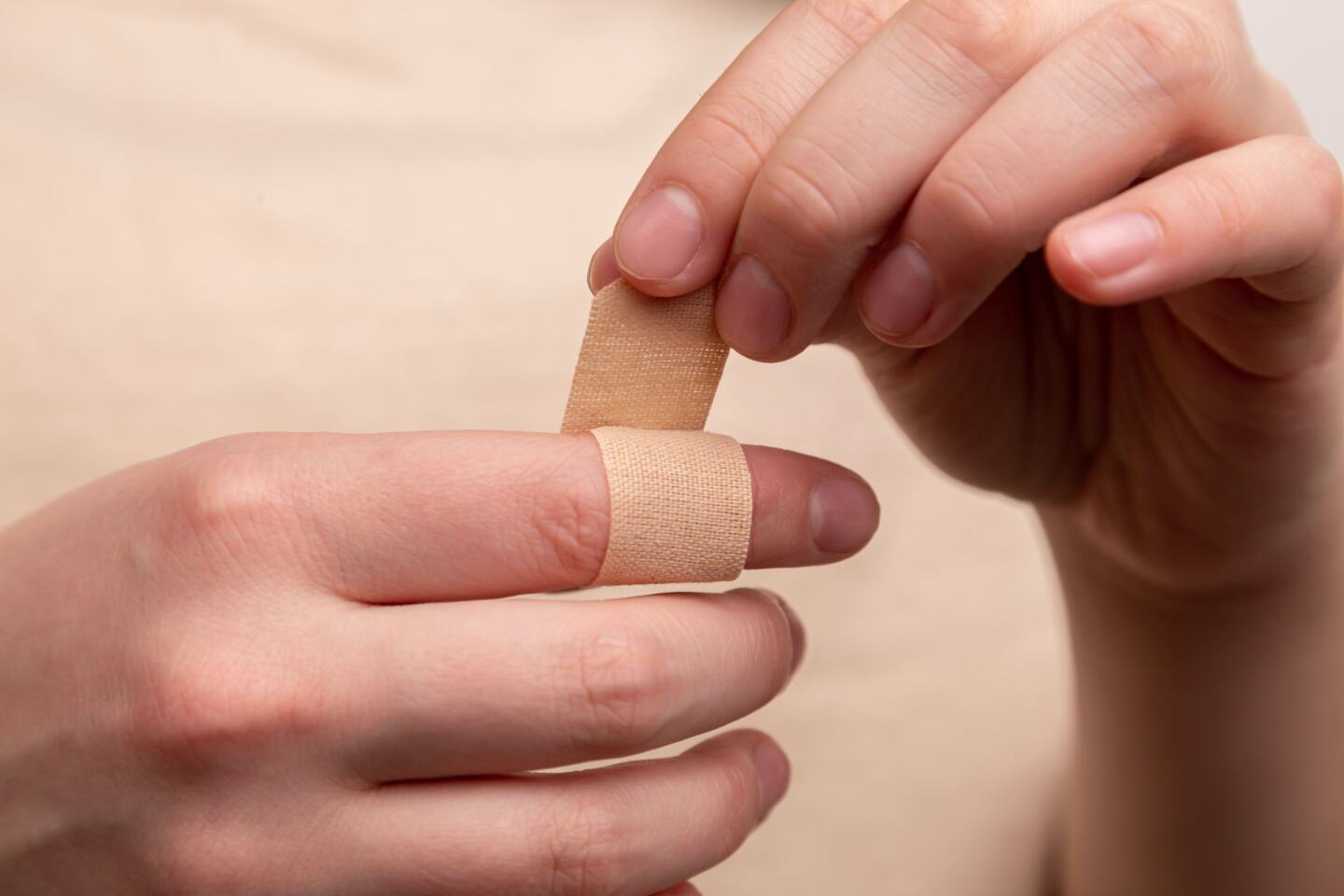
Make sure that all the medicines contained in your first-aid kit are clearly labeled and in date. You should also opt for a container that is waterproof and drop resistant. Your first-aid kit need not be fancy, so in place of spending on expensive bags, oven or sandwich bags can be used to segregate and compartmentalize the contents. Finally, it is important to keep wound supplies and the medications in separate bags.
First-Aid Kits for Travel
Whenever you are traveling, it’s important to carry extra medicines in case you need to extend your stay for a few days. Always carry your medical information, medical insurance details, and your emergency contact person.
Travel first-aid kits need to be comprehensive as you never know if you’ll have access to a pharmacy or medical care when away from home. This kit should include personal medical supplies to address common respiratory infections such as cough, fever, nasal congestion, and sore throat. Moreover, items to treat allergies, gastrointestinal problems, mild pain, cuts, and skin problems should be included in your travel first-aid kit.
A first-aid kit for travel should contain:
- Adhesive bandages and tapes
- Antacid to combat indigestion
- Sterile gauze pads
- Antihistamine cream
- Antidiarrheal medicines
- Mini antiseptic liquid soap to clean hands and wounds.
- Oral antihistamine
- Aspirin
- Cigarette lighters can be used to sterilize instruments, light fire (when lost in a forest or on a trek), signaling for help by creating smoke.
- A dental kit can help in case of a broken tooth or loss of the crown.
- Gloves
- Masks
- Medications for Cough, cold, nasal infections, and allergies
- Flashlight
- Ibuprofen
- Small knife
- Insect repellant
- Moleskin that can be used to treat hot spots or blisters
- Non-sticky wound pads
- Antibiotic ointment
- Re-sealable oven and sandwich plastic bags to hold contaminated items
- Scissors
- Tweezers
- Safety pins of various sizes
- Sunscreen
- Thermometer
All the necessary items for home and travel first-aid kits are readily available at any chemist.
Where to Keep your First-Aid Kits
At home, keep your first-aid kit in the kitchen as most cuts and burns happen here. Moreover, keeping a first-aid kit in a bathroom is fruitless as the items in it will easily get damp from the humidity. On the other hand, a travel first-aid kit is for stays away from home. Depending where you’re going and what you’re doing, stash your travel first-aid kit in a backpack, a dry bag, a suitcase, or your car.
Train yourself and your family how to properly use the items in your first-aid kits, especially medication. Be sure to check and replace the expired medicines at least twice a year. There’s no issue having out of date or expired items in your kit as these won’t be much good in an emergency!



Leave a Reply