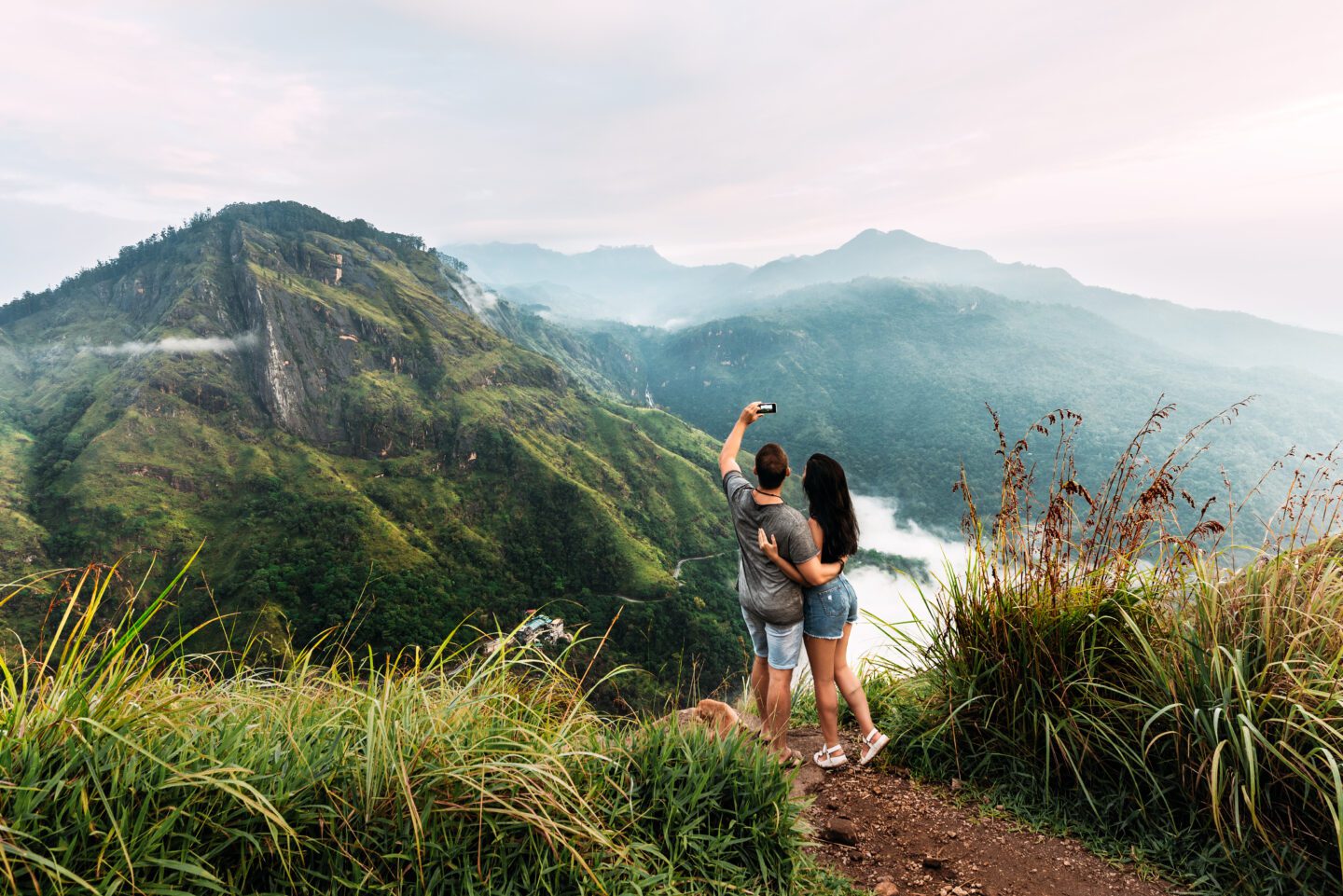
Not long ago, a vacation meant a week of sleeping in, indulgent meals, and very little thought about health. Today, a growing number of travelers want to return home feeling better than when they left. Wellness tourism has moved from a niche interest to one of the fastest-growing segments of the travel industry, reshaping how people choose destinations, plan itineraries, and spend their time away. Here’s a closer look at what’s driving this shift and what it means for how we travel.
Why Travelers Are Prioritizing Well-Being
Busy schedules, constant screen time, and rising stress have made rest feel like a necessity rather than a luxury. Many people now see travel as a chance to reset, not just escape. The pandemic accelerated this mindset, since it pushed health and mental wellness to the front of everyday conversations. Younger travelers in particular are looking for trips that support sleep, movement, nutrition, and mindfulness. Instead of asking “where can I go?” they’re increasingly asking “how do I want to feel when I get back?”
Popular Forms of Wellness Travel
Wellness tourism takes many shapes. Spa resorts and retreat centers offer massage, yoga, meditation, and guided programs designed around relaxation or renewal. Others focus on fitness, with hiking holidays, cycling tours, surf camps, and boot-camp style getaways. Culinary wellness trips highlight fresh, local, plant-forward cuisine, while digital detox retreats encourage guests to unplug. Nature-based experiences, such as forest bathing, hot springs, and stargazing, round out the picture. The common thread is intention: each trip is built around helping travelers feel stronger, calmer, or more balanced.
Active Travel and Everyday Comfort
Movement is a big part of health-focused travel, and many trips now weave in gentle activity, from morning walks to rounds on the golf course. Golf getaways in particular combine fresh air, light exercise, and social time, and they appeal to travelers of many ages. Packing appropriately makes these experiences more enjoyable, and comfortable ladies golf apparel that moves with you and handles changing weather can make long days on the course feel easier. The same principle applies to any active trip: breathable fabrics, supportive footwear, and layers help you stay focused on the experience rather than your discomfort.
Destinations Leaning Into Wellness
Destinations around the world are building their appeal around health. Mountain towns offer hiking, clean air, and cozy lodges. Coastal regions promote ocean swims, sunrise yoga, and seafood-rich diets. Countries with long traditions of healing practices, such as Japan with its onsen culture or India with Ayurveda, draw travelers curious about time-tested approaches. Even city hotels are adding sleep programs, fitness studios, and healthy menus. Whether you want a secluded retreat or an urban reset, there’s likely a wellness option that matches your style and budget.
Choosing a Trip That Truly Supports Your Health
With so many offerings, it pays to look beyond marketing. Check the qualifications of instructors and practitioners, read recent reviews, and ask what the program actually includes. Be wary of bold health claims or treatments that promise dramatic results. If you have medical conditions or take medication, talk with your doctor before trying intensive programs, extreme diets, or unfamiliar therapies. Consider how the trip fits your goals, whether that’s rest, activity, or learning new habits, and leave room in the schedule so the experience doesn’t become another to-do list.
Final Thoughts
Wellness tourism reflects a larger change in how people think about time off. Travel is no longer only about seeing new places. It’s also about feeling restored, energized, and more connected to yourself. By choosing trips that match your needs and approaching them with realistic expectations, you can come home with more than souvenirs. You might return with healthier habits and a clearer, calmer mind.



Leave a Reply