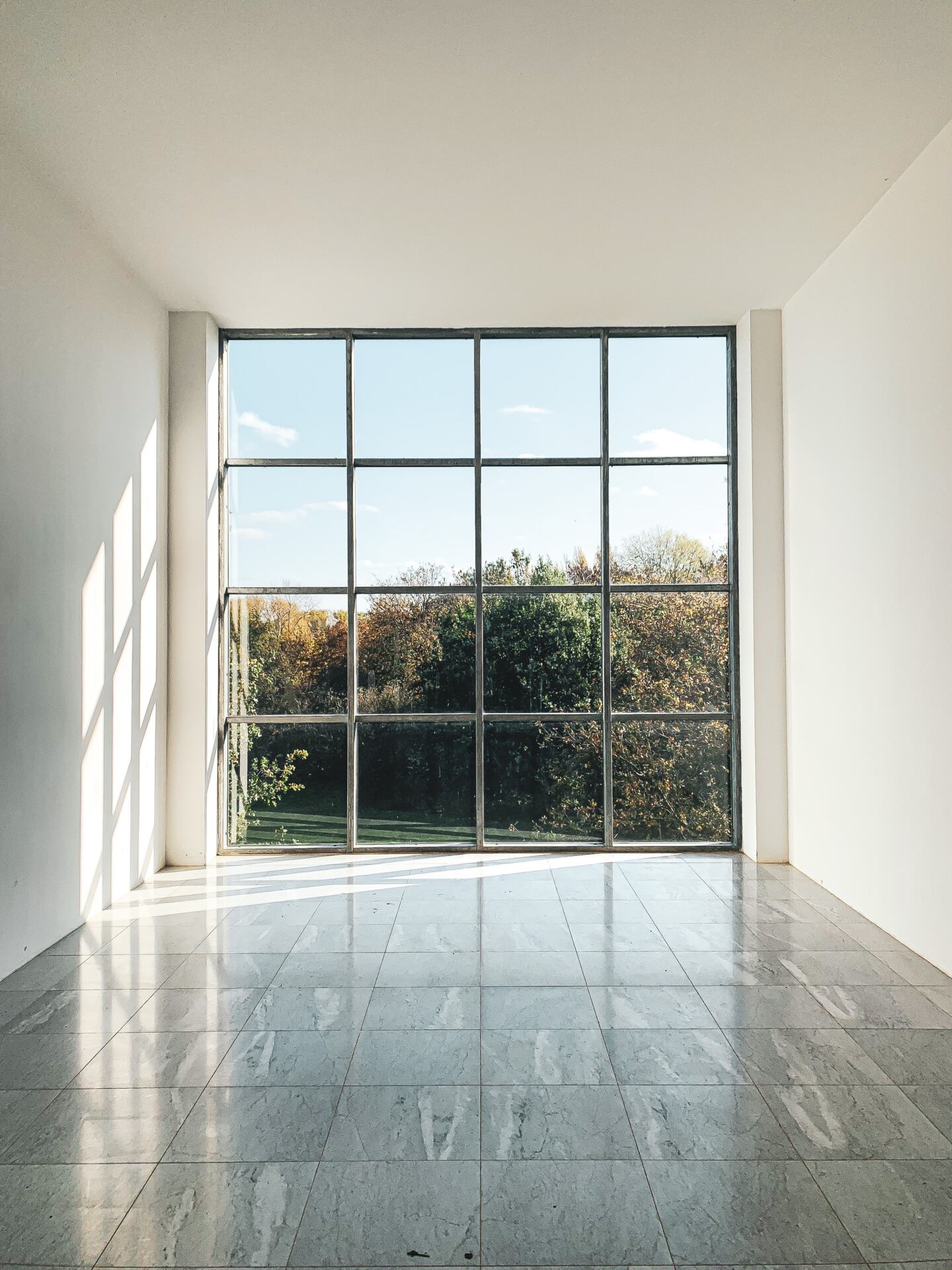
Sash windows are one of the great pleasures of British homes. They look right on a Victorian terrace, they suit a Georgian townhouse, and when they work properly they let in a lovely, controllable amount of air. They are also one of the trickiest things to budget for. Prices swing widely depending on the materials, the size and the condition of your existing frames.
That is where a sash window cost calculator earns its keep. Used properly, it gives you a sensible ballpark figure before you start phoning installers, so you walk into those conversations knowing roughly what to expect. Here is how to get the most out of one.
What Is a Sash Window Cost Calculator?
A sash window cost calculator is an online tool that estimates the price of new or replacement sash windows based on details you provide. Older versions simply asked for a width, a height and a material. Newer ones are far smarter. Some can work from a photo of your window, measuring the opening with AI and producing a price in minutes.
The result is an indicative estimate rather than a final quotation. Think of it as a well-informed starting point. It will not replace a proper survey, but it will stop you being caught off guard by a figure that is double what you expected.
Why Use One Before You Call Anyone?
Most people begin their window search by requesting quotes, then spend a week or two waiting for visits and emails. A calculator flips that order. There are three good reasons to try one first.
You set a realistic budget early. Knowing that your eight sash windows might land somewhere in a particular range helps you decide whether to replace everything at once or phase the work over a couple of years.
You can compare quotes with confidence. When a quote arrives, you will have a benchmark. If it sits wildly above or below your estimate, you know to ask why.
You save time. Instead of describing your house to five different companies, you start with a clear picture of what you want and roughly what it should cost.
What You Will Need Before You Start
Having a few things to hand makes the whole process quicker and the estimate more reliable.
- Window measurements or a clear photo. If the tool accepts photos, take one straight on, in daylight, with the whole frame visible. If you are entering sizes manually, measure the width and height of the opening in millimetres at more than one point.
- The number of windows. Count them all, including any on the rear and upper floors. Sash windows are often sized differently from room to room.
- The material you are leaning towards. Timber and uPVC are the two main options, and the price gap between them can be significant.
- Your glazing preference. Double glazing is standard now, but some listed or conservation-area properties have specific requirements.
- Whether you want supply only or supply and installation. The difference matters more than people expect.
Step-by-Step: Getting an Accurate Estimate
1. Start with a clear photo or accurate measurements
Rubbish in, rubbish out. A blurry photo taken at an angle will produce a less reliable result than a clean, straight-on image. If you are measuring by hand, do it twice. It takes a minute and can save you from a nasty surprise later.
2. Choose your sash style
Traditional box sashes, spring-balance sashes and tilt-in versions all behave differently and cost differently. A true box sash with weights and cords is generally the premium option, while a modern spring-balanced design sits lower on the price scale. If you are unsure, pick the closest match to what you have now.
3. Select the material and finish
Timber has a warmth and authenticity that is hard to fake, and it is often the preferred choice for period properties. uPVC is typically cheaper and needs less upkeep. Within each, you will usually choose a colour or finish, and that can nudge the price up or down.
4. Pick the glazing
Standard double glazing suits most homes. If you want better thermal performance or noise reduction, you may add options such as low-emissivity glass or thicker panes. Each upgrade shows up in the estimate, which is exactly why it is worth experimenting. Try different combinations and watch the number change.
5. Decide on installation
Many calculators let you toggle between supply only and supply and fit. If you are not a confident DIYer, and sash windows are not the easiest thing to fit well, choose installation. A poorly fitted sash will stick, rattle and let in draughts, wiping out the benefit of the new window.
Reading Your Estimate Sensibly
Once the figure appears, resist the urge to treat it as gospel. A good calculator is accurate for early-stage planning, but several things can move the final price.
- Condition of the existing opening. If the surrounding brickwork or sill needs repair, that will be extra.
- Access. Upper-floor windows or tight spaces can add labour time.
- Planning and heritage rules. Listed buildings and conservation areas may need specific materials or designs, and sometimes consent.
- Site survey findings. A surveyor may discover that your openings are slightly out of square, which is common in older houses.
A sensible approach is to add a modest contingency on top of your estimate. Many homeowners find that 10 to 15 per cent gives comfortable breathing space, though your own circumstances may differ.
Mistakes to Avoid
Treating the estimate as a fixed price. It is a guide. The final figure is confirmed after validation and survey checks.
Ignoring the small print on what is included. Does the price cover removal and disposal of the old windows? Finishing and making good? Check before comparing numbers.
Choosing purely on the cheapest figure. A low estimate for the wrong materials is no bargain. Sash windows are in use daily for decades, so build quality matters.
Skipping the survey. Even the cleverest AI tool benefits from a human double-check before anything is manufactured.
When a Calculator Works Best and When It Does Not
A sash window cost calculator really shines in the early planning stage. If you are weighing up whether to replace or restore, comparing materials, or simply trying to work out how much to save, it gives you answers quickly and for free.
It is less suited to highly unusual projects, such as curved or oversized bespoke windows, heavily decorated heritage frames, or properties with significant structural quirks. In those cases, treat the calculator as a rough guide and rely on a specialist for the detail.
Final Thoughts
Budgeting for sash windows does not have to feel like guesswork. A sash window cost calculator gives you a clear starting point, helps you test different materials and glazing options, and puts you in a stronger position when the formal quotes arrive. Take your time, gather accurate measurements or a good photo, try a few combinations, and add a little breathing room to the final figure. Do that, and you will begin your renovation informed rather than anxious.



Leave a Reply