It’s immediately apparent when walking into certain houses that nothing draws attention. There isn’t a before-and-after renovation, or an area of the house that is so delicate as to not be able to be used. However, everything seems to be settled, thoughtfully designed, and calming. This usually contributes to how much a family home appears to be “grown up,” not because it is perfect, but because of the quiet design decisions that support a sense of organisation in your day-to-day living.
Via Unsplash
Consider Where You Start
When we think of our home being more mature, we generally focus on the large items such as furniture and decorations. We also tend to focus on the “glamorous” elements of our homes (such as colour schemes) rather than the everyday elements that are part of our lives.
To establish a sense of maturity in your home, consider the functional aspects of your home which contribute to its functionality. For example, the knobs you turn every morning, the hooks in the entryway where jackets do not sprawl out onto chairs, the table lamp you turn on after dark and the drawer in the kitchen that holds batteries, tape and school notes.
We typically do not pay attention to these types of issues since they seem mundane. However, they create a system within your home. When the smaller aspects of your home function properly, it creates a more peaceful environment throughout your entire home. It takes less effort to continually correct the same issue and avoid obstacles in your path.
Allow Your Spaces To Communicate
Most family homes are made up of various spaces that have evolved over time. Some rugs were purchased quickly, while others were selected based on limited options. Many chairs that were intended to be temporary became permanent fixtures in your home.
You don’t need all of the rooms in your home to appear identical. On the contrary, having each space uniquely decorated can result in an appearance that lacks depth. Establishing a subtle connection among your rooms through commonalities such as similar wooden finishes, soft colours, simple hardware, or interior doors can provide a visual link between the spaces without creating a “staged” appearance.
Your objective is not to eliminate individuality. Rather, you want to add order to those areas of your home that reflect the chaos and activity associated with raising a family.
Select Storage Units That Feel Like Furniture
While plastic containers and exposed baskets have value (especially in households with young children), a cluttered appearance can occur regardless of how clean a room is if all objects are displayed.
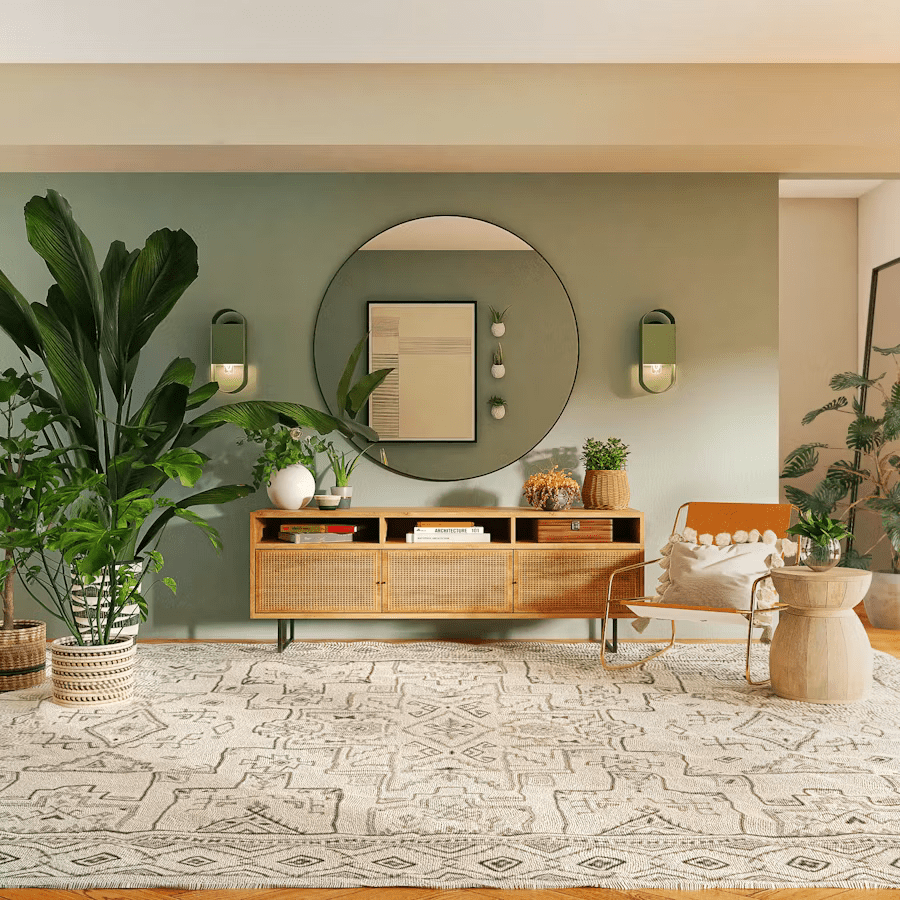
Adding closed storage units will greatly enhance this aspect. Sideboards in the dining room. Slender cabinets in hallways. Ottomans in the sitting room with lids. All three examples will allow the busy nature of family life to proceed without requiring evidence of that chaos to be displayed for everyone to view. Of course, there needs to be convenient access. You simply do not need to be able to see everything at all times.
Retain The Softness And Remove The Clutter
A warm feeling should remain in a grown-up home. Use fewer items; however, ensure that each item provides utility, beauty or significance. Ultimately, a family home appears to be “more adult” when it enables you to exist comfortably, quietly, and does not attempt too much.



Leave a Reply