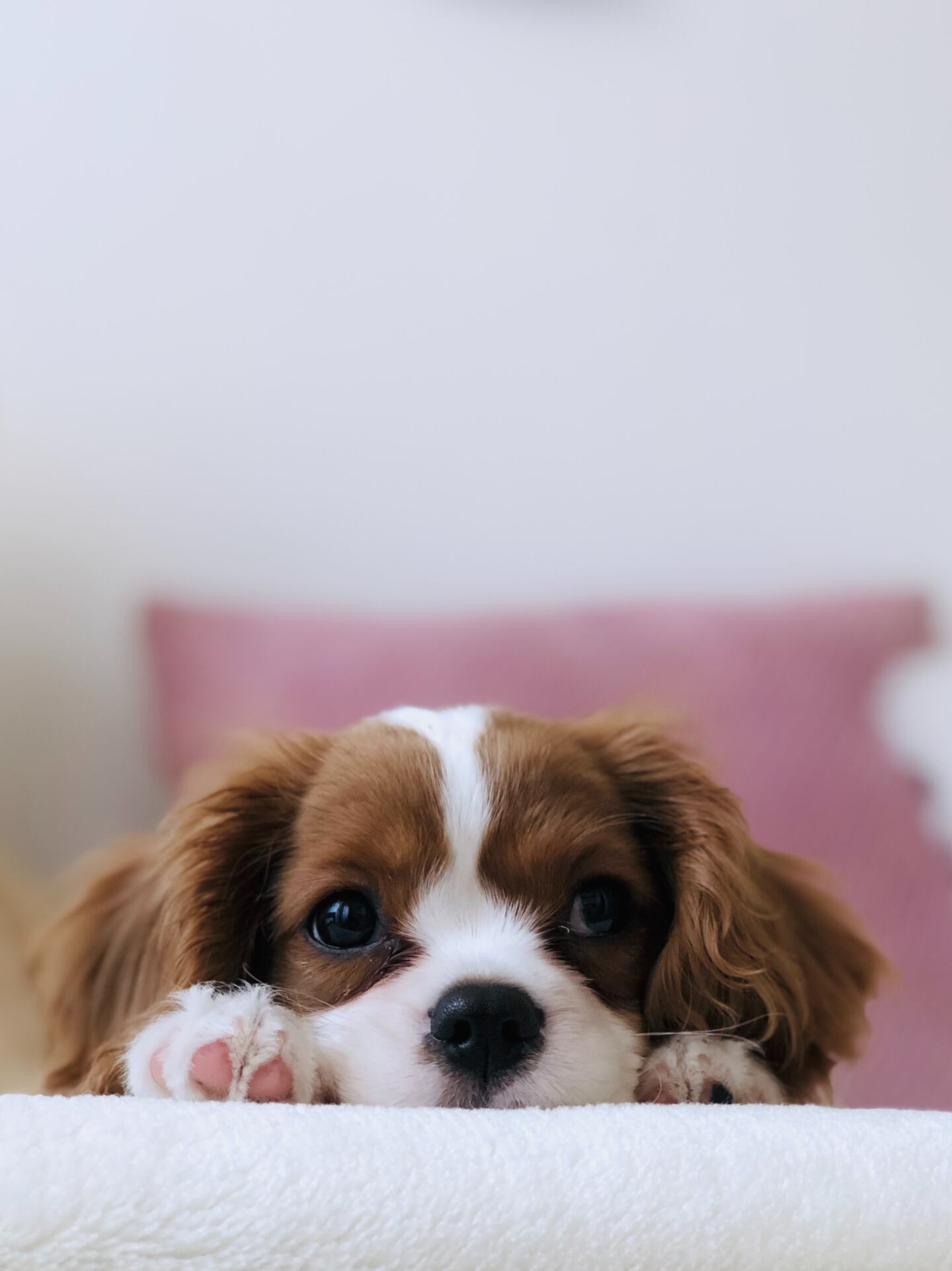
As adults, we get so used to the advice that we need around 7-8 hours of sleep per night to fully function. However, don’t be fooled into thinking that this applies to adult dogs, too. It is a fact that adult dogs actually need between 12 to 15 hours of sleep a day – therefore is a good few solid hours more than us humans!
If you have a dog or are thinking about owning a dog, considering their sleeping arrangements and sleep routine is so important. Our fluffy friends need a combination of factors in place in order to get enough sleep during the night (along with little day naps!) that goes beyond buying a nice fluffy dog bed!
Before I share some advice, I wanted to bring to your attention a campaign by Lords & Labradors, which is filled with helpful information to give you a great insight into what dogs need. They also have featured an interactive asset which you can click into to read more about certain areas related to your canine friends sleep regime and setup.
A lot of my family members have dogs, and I know for sure the annoyance of watching your doggie have little naps during the day but come night time, they are up and keeping us up, too! So to ensure your dog has the best environment and setup for clocking those sleep hours, there’s a few tips here I’ve put together inspired by Lords & Labradors.
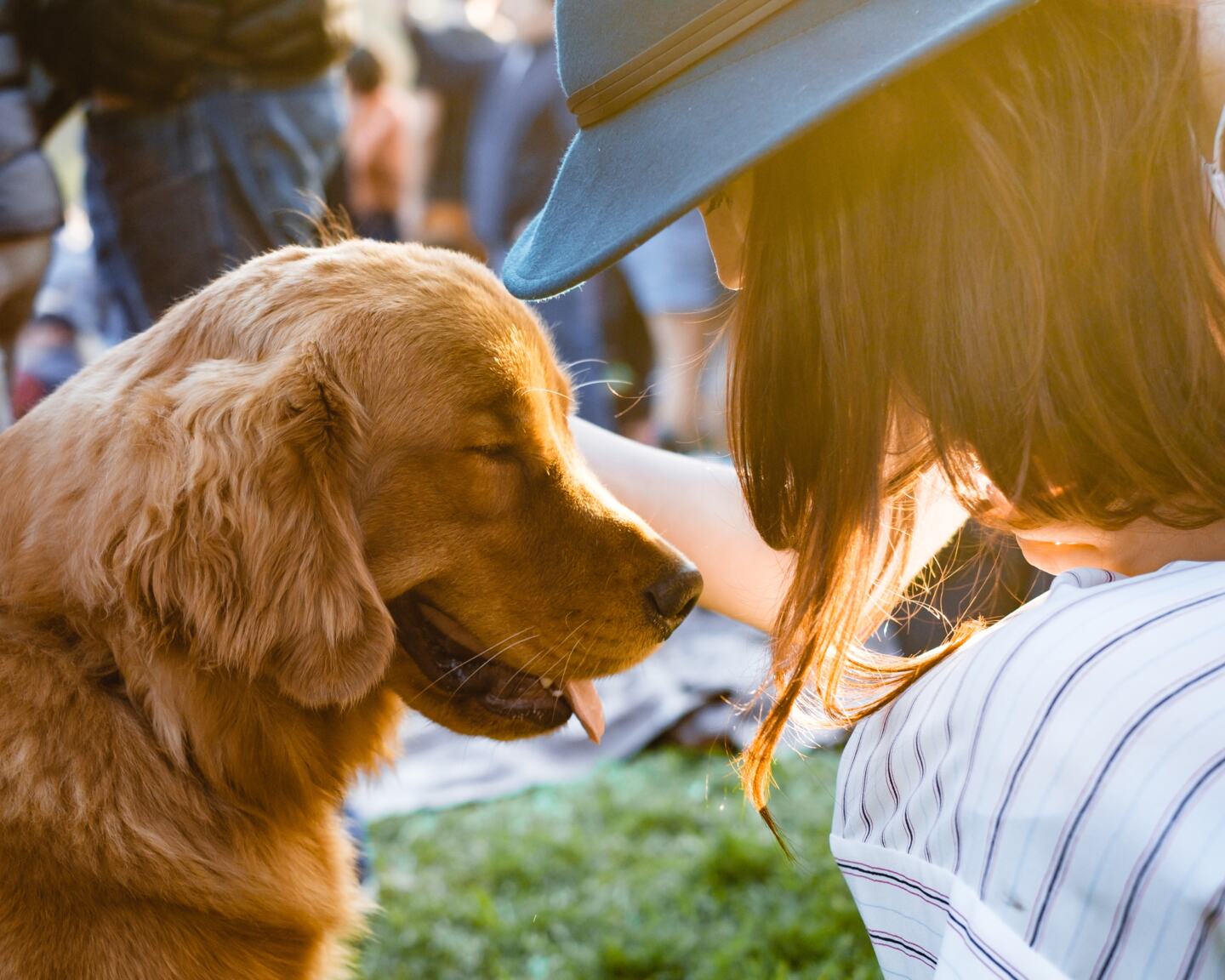
5 Tips to Help Dogs Sleep Well During The Night
Whether older dog or puppy, here are a few ways you can prepare things for their bedtime…
- Make sure your friend is tired and has a wind down
Ideally, dogs need to be taken for a walk in the early evening. Every dog is different in regards to how far they should be walking, but all dogs will get themselves tired after an evening walk. Your dog should return home a little tired and ideally, not bouncing around full of energy! The walk itself and the colder night air should induce sleepy feelings Remember, even when you don’t feel up to taking your doggy out, it is important to try and tire your dog out before bedtime, or risk a lively doggy! - Feed the dogs dinner in the early evening
Your dogs last meal should be in the early evening, to give your dog a full belly and also so that your dog does not need to wake up to “do the business” in the middle of the night! If you feed your dog too late in the evening, they may be needing to pop out for a wee just as your settling into slumber, which is never ideal, so early evening is mainly encourages. Of course, puppies with smaller stomachs can be different, so do adjust slightly to suit younger and smaller pups. - Have an appropriate sleep arrangement
Everyone has different opinions on where their doggies should sleep, and of course, it’s an individual choice. Whether you choose for your pet to sleep in the same room as you or in another room, just make sure it is warm, quiet and away from any draughts. You could place a few dog beds around the home so that during the day your dog has the choice of where they may want to rest. Just remember that dogs are just like us and babies in some way that they still need to have comfort. A padded cushion or bumper may be nice for them to snuggle on, or a special dog blanket. Some people even choose a worn tshirt or something that smells like them, if the pets want something that associates with their owners. During the colder months, making sure they have blankets to hand is especially important. - Turn off all of the lights
Your dog will sleep better if the room is dark, so it’s a good idea to get your dog used to low lights or complete darkness as soon as they come into your home. It is much more likely they will sleep through the night if their environment is dark, with no light distraction from TVs, computers, or any other home technology, - Make sure he is healthy, or speak to a vet if needed
If your dog suffers from fleas, they will be uncomfortable and could be waking up scratching lots. The same can be said if your dog is unwell in another way, which could affect their sleep. If you have tried to persevere with your dogs sleeping habits and regime for a while with no joy, then it’s time to speak to a vet. They will listen to your journey and be able to assist with a plan to get your dog back to full health and in a better situation to start sleeping better.
Remember that all dog are different, and some breeds may have much more energy to burn than others. Some may also have a bigger appetite which affects their toilet needs – it really isn’t a ‘one size fits all’ when it comes to routines for dogs. So do take you time to see how your dog adjusts to a good sleeping routine, and hopefully, they will be getting those all important 12-15 hours sleep successfully!



Leave a Reply