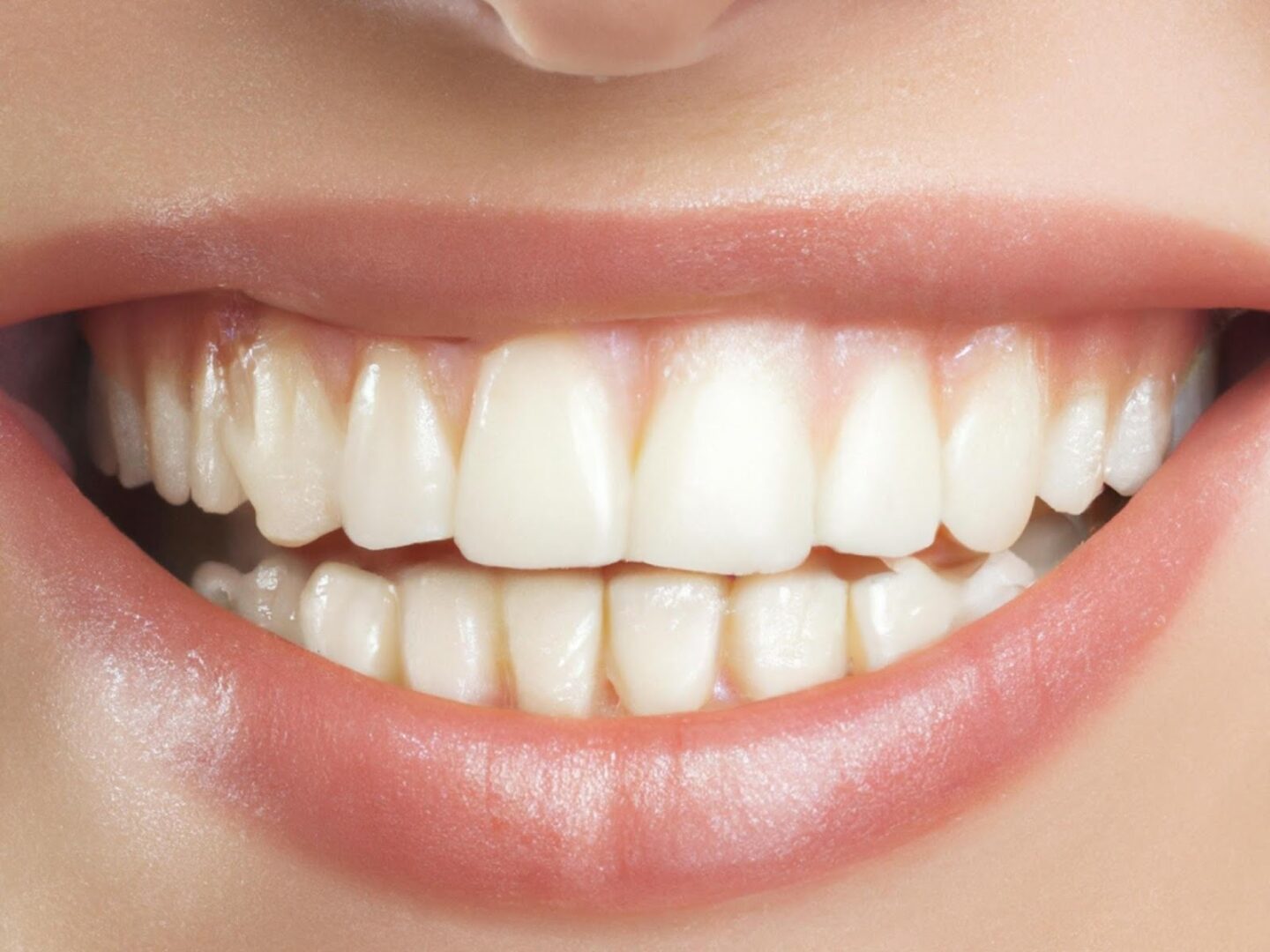
Have you ever noticed yourself smiling with your lips closed in photos? Or covering your mouth with your hand when you laugh? Many people do this without even thinking about it. A chipped tooth, a gap, or a few stains might seem small, but they can affect how comfortable you feel smiling in front of others.
A smile makeover is a way to address several of these concerns together. Instead of fixing one tooth at a time, your dental team looks at your whole smile and creates a plan that brings everything into balance.
In this guide, you’ll learn what a smile makeover is, which treatments it can include, how the planning process works, what to expect along the way, and how to look after your results.
What Is a Smile Makeover?
A smile makeover is a personalised treatment plan that combines one or more dental procedures to improve how your smile looks. It may also improve how your teeth work when you bite and chew.
Think of it like renovating a room. You might repaint the walls, replace the flooring, and add new lighting. Each change is helpful on its own, but planning them together gives a much better final result. A smile makeover works the same way.
What Can a Smile Makeover Address?
Smile makeovers are often used to help with:
- Stained or discoloured teeth
- Chipped, cracked, or worn teeth
- Gaps between teeth
- Crooked or crowded teeth
- Teeth that are uneven in size or shape
- Missing teeth
- A “gummy” smile, where a lot of gum shows when you smile
Everyone’s needs are different. One person might only need whitening and bonding, while another may need orthodontic treatment, crowns, and an implant.
Common Treatments in a Smile Makeover
There’s no single “smile makeover procedure.” Instead, your dentist chooses from a range of treatments based on your teeth, health, goals, and budget. Here are some of the most common options.
Teeth Whitening
Professional whitening uses a bleaching gel to lighten stains on the surface and inside the tooth enamel. It can be done in the clinic, at home with custom trays, or both. Whitening works best on natural teeth. It doesn’t change the colour of fillings, crowns, or veneers, which is why it’s often done first.
Dental Bonding
Bonding uses tooth-coloured resin to repair small chips, close minor gaps, or reshape uneven edges. The dentist shapes the material directly on your tooth and hardens it with a special light. It’s usually quick and needs little or no removal of natural tooth structure.
Porcelain Veneers
Veneers are thin shells that cover the front of your teeth. They can change the colour, shape, and length of teeth. Because a thin layer of enamel is usually removed to fit them, veneers are generally considered a long-term choice that can’t be undone.
Orthodontic Treatment
Braces or clear aligners can move crooked teeth into better positions. Straightening teeth first can sometimes reduce the need for other treatments like veneers, since less reshaping is needed once teeth are lined up.
Crowns
A crown is a cap that covers the whole tooth. It’s often used for teeth that are badly broken, heavily filled, or weakened after a root canal. Modern crowns can be made to match the shade of nearby teeth.
Replacing Missing Teeth
Gaps from missing teeth can be filled with dental implants, bridges, or dentures. Replacing missing teeth can improve both your smile and your ability to chew comfortably.
Gum Contouring
If your gums cover too much of your teeth, or sit unevenly, a dentist may gently reshape the gum line. This can make teeth look longer and more balanced.
How a Smile Makeover Is Planned
Good planning is the most important part of any smile makeover. It helps you and your dentist agree on clear goals before any treatment begins.
Step 1: The First Consultation
Your first visit is a chance to talk about what you like and don’t like about your smile. Your dentist will check your teeth, gums, and bite, and may take X-rays. Any problems like decay or gum disease usually need to be treated before cosmetic work starts.
People wh
o search for a dentist Hutt Valley before their first consultation often find it helpful to bring along photos of smiles they like or notes about the changes they’re hoping for. This helps the conversation stay clear and realistic.
Step 2: Photos, Scans, and Models
Your dental team may take photos of your face and smile from different angles. Digital scans or 3D models of your teeth are often used too. These help the dentist study how your teeth, lips, and face work together.
Step 3: Previewing Your Smile
Many clinics can create a digital preview or a temporary “trial smile.” A trial smile uses tooth-coloured material placed over your teeth for a short time. It gives you an idea of the proposed shape and length before anything permanent is done. You can then ask for changes if something doesn’t feel right.
Step 4: Agreeing on a Plan
Your dentist will explain the recommended treatments, the order they’ll be done in, how long it may take, and the expected costs. They should also talk about risks, alternatives, and what results are realistic for you.
What to Expect During Treatment
The length of a smile makeover depends on what’s included. A simple plan with whitening and bonding may take just a few visits over several weeks. A more involved plan with orthodontics and implants can take a year or more.
The Order of Treatment
Treatments are usually done in a logical order. For example:
- Treat any decay or gum disease
- Straighten teeth with braces or aligners
- Whiten natural teeth
- Place bonding, veneers, or crowns to match the new shade
- Replace missing teeth
Following an order like this helps each step support the next.
A Simple Example
Imagine someone in their thirties who is unhappy with a chipped front tooth, some yellowing, and a small gap. After a check-up, their dentist might suggest whitening first, then bonding to repair the chip and close the gap. This approach may give a noticeable change without removing much natural tooth structure. Of course, results vary from person to person, and your plan will depend on your own teeth.
How Much Does a Smile Makeover Cost?
There’s no fixed price for a smile makeover, because every plan is different. The cost depends on which treatments you need, how many teeth are involved, and the materials used. Whitening and bonding usually cost less than veneers, crowns, or implants.
If you’re comparing fees after looking up dentist Hutt Valley options, ask each clinic for a written breakdown of every treatment. It’s also worth asking about payment options and whether any part of the treatment may be covered by health insurance, especially if some procedures are needed for dental health rather than looks alone.
Some people choose to complete their makeover in stages. This can spread the cost over time while still following one overall plan.
Caring for Your New Smile
A smile makeover can last for many years with good care. Different materials need slightly different care, but these habits help in nearly every case:
- Brush twice a day with a soft toothbrush and fluoride toothpaste.
- Floss or use interdental brushes daily to clean between teeth.
- Limit staining foods and drinks, like coffee, tea, and red wine.
- Avoid biting hard objects, such as ice, pens, or fingernails.
- Wear a night guard if you grind or clench your teeth.
- Keep regular check-ups and cleanings so your dentist can spot small problems early.
Some treatments, like whitening or bonding, may need touch-ups over time. Veneers and crowns can also wear and may eventually need replacing. Your dentist can explain what to expect for each part of your plan.
Is a Smile Makeover Right for You?
A smile makeover may suit you if you have several cosmetic concerns and want a planned, balanced result. It’s a good idea to go in with realistic expectations. The aim is a healthy, natural-looking smile that suits your face, rather than a picture-perfect look.
It’s also fine to start small. Many people begin with a check-up and clean, then decide on further steps after talking through their options.
Final Thoughts
A smile makeover brings together treatments like whitening, bonding, veneers, orthodontics, and crowns to improve the look and function of your smile. The key to a good result is careful planning, open communication with your dentist, and a clear understanding of your options.
If you’ve been holding back your smile, book a consultation with your dentist. They can look at your teeth, listen to your goals, and help you create a plan that suits your needs and budget.



Leave a Reply