
One of the greatest advantages of the modern cosmetic surgery world is the its daily evolution. Doctors, nurses, and technicians pull out all the stops to bring to life the most innovative ways to address different cosmetic disorders. Dermal fillers are certainly an important part of the equation.
Preparing for a dermal filler injection is a pretty straightforward process and generally only takes about a week — from research to treatment. Nevertheless, it’s important to take a little extra time to understand what to expect before the procedure to avoid issues.
It’s also worth ensuring that the doctor provides proper guidelines on post-treatment care. Without delays, let’s delve into this procedure.
What Are Dermal Fillers?
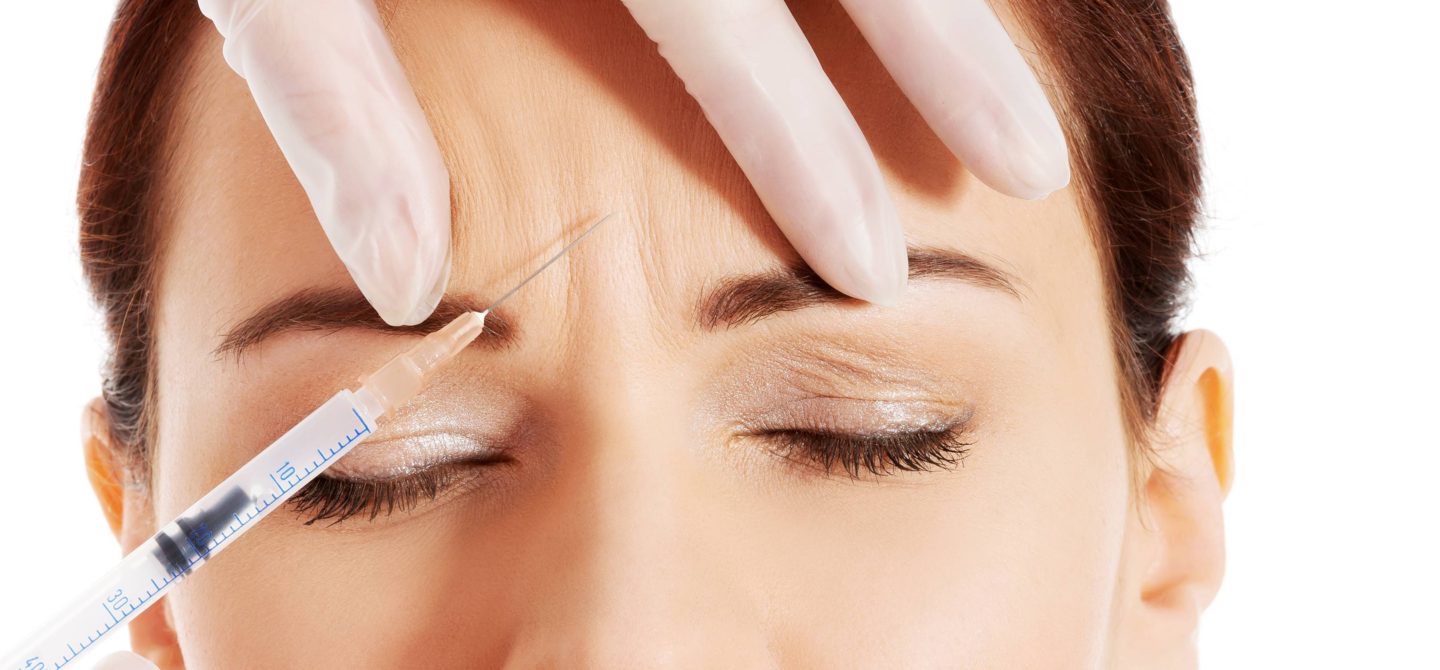
They are injectable gels or liquids that mostly comprise hyaluronic acid, a type of compound that occurs naturally in the body. When injected to the skin, they smooth out wrinkles and fine lines. They are mainly used for the face to add volume to targeted areas as well. Although not permanent, most of them do last quite a long time.
Types of Brands
The best product to use depends on one’s expectations. Thus, popular brands to consider are:
- Restylane
- Juvederm
- Radiesse
Each one has its unique selling points. Restylane is a long-lasting, gel-based filler that is FDA approved. It lasts up to 10 months, while Juvederm lasts 12 months, and at most 18. Radiesse is a soft-tissue filler with a longer effect that lasts about 12 months. Also available are products such as Sculptra, which has an effective period of 2 years, and Bellafill, which outlasts them all (up to 5 years).
What Influences a Filler’s Longevity?
Since hyaluronic acid is a common constituent, dermal products are safe to use and can produce remarkable results. But some people tend to expect too much from a single filler. That stated, three factors influence the lasting effect of this procedure:
- Application area
- Volume
- Metabolism rate
To begin with, the treatment location matters. The face will eventually develop volume loss due to ageing. This, combined with collagen breakdown, can leave the skin drooping in some areas, which causes folds and lines. For this reason, some procedures target forehead creases, while others focus on jowls. Fillers injected in the nasolabial folds generally last longer than when administered in most other places.
The second factor is the volume of product injected. This refers to the amount and concentration of the substance. Usually, the goal is to restore lost volume rather than just plumping the skin. Hence, it’s up to the practitioner to use a small amount of filler, which might need to be re-administered in the future. If too much is injected, there’s a risk of lumpiness or other complications.
Finally, the body’s metabolism rate. Dermal fillers dissolve after being administered, affecting the overall effect over time. The higher the metabolism rate, the faster the product will be removed from the body. Radiesse, for instance, has a very high absorption rate (according to users) and thus, should be used with care. Restylane is a bit more tolerable, but patients might be advised to have a touch up sooner as well.
Juvederm, on the other hand, is one of the least biodegradable and the most often used.
Preparation Guidelines
The ideal recommendation for a successful dermal filler injection is to prepare beforehand. Not only will this help to achieve optimum results, but it will also decrease the risk of post-procedural complications. While the treatment is fairly fast and straightforward, all factors considered, it’s advisable to follow these tips:
Conduct Extensive Research
As the saying goes, “Different strokes for different folks.” The importance of doing thorough research is self-evident. After all, patients must determine their priorities before proceeding with any type of cosmetic treatment. As such, they should identify what to expect and what they may trade in turn. It all begins with a licensed and board-certified practitioner.
A detailed consultation is highly recommended. This entails undergoing facial analysis to ascertain what areas need attention and what approach will yield the most appealing results. Although the treatments are long-lasting, patients need not rule out further improvements at a later stage. Hence, it’s recommended that they discuss such matters with the plastic surgeon.
Avoid Specific OTC and Prescribed Medications
It goes without saying that anyone seeking a dermal filler treatment needs to avoid certain medications a week to the treatment as directed by their physician. Even those deemed non-advisable should be avoided. They can interfere with the procedure. While it doesn’t entirely prevent complications from occurring, it minimizes the severity of such side-effects. Included on the list are:
- Anticoagulants (blood thinners)
- Nonsteroidal anti-inflammatory drugs (NSAIDS)
- Myasthenia gravis (MG) drugs (including Trexall, CellCept, and Gengraf)
- Cholinesterase inhibitors and other related drugs
Patients should avoid alcohol consumption at least 48 hours prior to the procedure. Otherwise, they risk bruising and bleeding. Topical products are a no-no as well. Examples include Tretinoin and Retinoids.
Apply Sunscreen (At least SPF 30)
Excessive sunlight exposure is a great threat to dermal filler treatment as well. While wearing sunscreen a day to the treatment usually recommended, using SPF 30 or above is crucial for optimum protection. It helps to prevent inflammation, burning, and the appearance of pigmentation.
Post-Treatment Care
It isn’t enough to prepare beforehand. Cosmetic patients should also understand what to do immediately after the procedure. Although the treatment doesn’t have a downtime, strenuous activities and excessive rubbing of the face are strictly prohibited for a couple of weeks.
Ice packs are also applied to the treatment area to reduce inflammation, flushing, and bruises, which are potential side-effects. Severe reactions may include necrosis, lumps, infection, and pigmentation. As such, only consult a board-certified surgeon and use FDA-approved fillers.
Conclusion
Overall, dermal fillers are an effective way to rejuvenate the skin. From treating wrinkles and fine lines to volumizing the face, these treatments have revolutionized the industry. They have gone on to help millions of patients. However, they aren’t risk-free, which is why adequate research is required. With the help of a qualified cosmetic surgeon and the right product, patients can expect outstanding and long-lasting results.



Leave a Reply