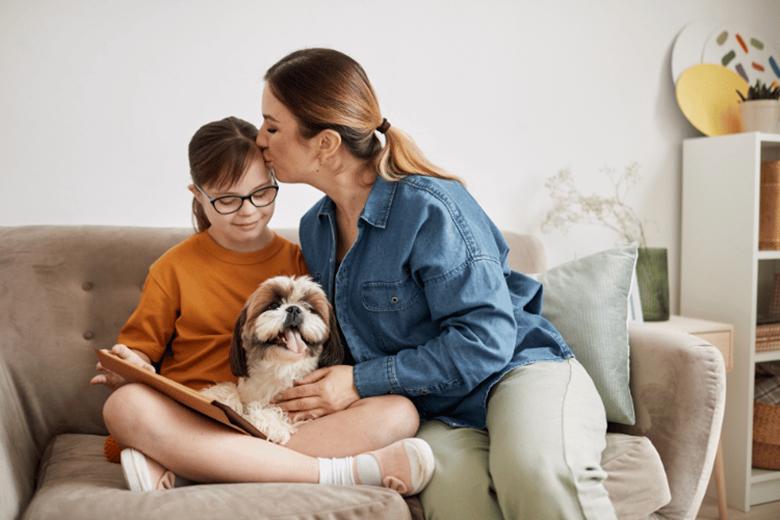
[Photo by SeventyFour from Getty Images via Canva.]
Ageing well is rarely about one dramatic change. For most of us, it comes down to the small things we repeat every day: the walk we take instead of skipping it, the glass of water we remember to drink, the bedtime routine that helps us feel more rested. The same is true for our dogs.
As the years pass, both people and pets benefit from steadier routines, gentler movement, thoughtful nutrition, and a little more attention to comfort. For readers who care about beauty, wellness, and feeling good from the inside out, healthy ageing is not only about appearance. It is about energy, mobility, mood, skin, coat, confidence, and the quality of everyday life.
The good news is that many habits that support your own wellbeing can also make life better for your dog. With a few simple adjustments, you can create a daily rhythm that helps you both feel healthier, calmer, and more connected.
Start With Gentle, Consistent Movement
Movement is one of the most practical habits for healthy ageing. It supports circulation, helps maintain muscle tone, encourages joint flexibility, and can lift your mood. For dogs, regular walks also provide mental stimulation through scent, sound, and routine.
The key is consistency rather than intensity. A long, exhausting walk once a week is less helpful than shorter, manageable movement every day. As dogs get older, they may still enjoy being outdoors, but they might need a slower pace, flatter routes, or more breaks.
For you, this can become a simple wellness ritual rather than another task on your list. A morning walk can help you wake up properly. An evening stroll can mark the end of the working day. Even ten minutes outside can shift your energy.
Try building movement into the day in ways that feel natural:
- Choose a regular walking time so it becomes automatic.
- Let your dog sniff rather than rushing the route.
- Add gentle stretching for yourself after walks.
- Watch for signs your dog is tired, stiff, or reluctant.
- Keep movement low-pressure on very hot, cold, or wet days.
Healthy ageing does not require punishing routines. It often starts with simply moving a little, often.
Prioritise Skin, Coat, and Grooming Care
In beauty and wellness, skin is often treated as a reflection of daily habits. Hydration, nutrition, sleep, and stress all show up in how we look and feel. Dogs have their own version of this. Their coat, skin, paws, and overall condition can tell you a lot about how comfortable they are.
Regular grooming is not just cosmetic. Brushing helps remove loose hair, prevents matting, and gives you a chance to notice changes such as dry patches, lumps, irritation, or tenderness. For older dogs, this can be especially useful because small changes are easier to manage when spotted early.
You can turn grooming into a calming routine. Keep it short, gentle, and predictable. Use the time to check ears, paws, nails, and teeth. If your dog dislikes grooming, start with a few minutes at a time and reward calm behaviour.
Your own routine matters too. When you are looking after your skin, hair, and body, it is easy to pair that habit with your dog’s care. For example, while you apply your evening skincare, you might also brush your dog’s coat or check their paws after a walk. Small rituals like this make care feel less like a chore and more like part of the household rhythm.
Make Nutrition a Daily Wellness Habit
Food plays a major role in how both humans and dogs age. While there’s no need to overcomplicate every meal, it’s worth paying attention to balance, portion sizes, hydration, and consistency. Older dogs may have different needs from younger ones, and their appetite, digestion, or weight can change over time.
For people, the same principle applies. Meals that support steady energy, good digestion, and healthy skin tend to come from simple, repeatable choices. Think colourful foods, enough protein, regular hydration, and fewer habits that leave you feeling sluggish.
For dogs, always choose food and supplements based on their age, size, health status, and your vet’s guidance. If you’re considering immune support as part of your dog’s routine, it’s sensible to look at options carefully and understand how they fit into the bigger picture of diet, exercise, and veterinary care.
For example, an immune supplement may be relevant for owners already focused on balanced nutrition, regular movement, and day-to-day wellbeing. Products such as the vet-approved canine immune support option from puplabs.com are best considered within the broader conversation about supporting your dog as they age. As with any supplement, they should sit alongside good food, appropriate exercise, rest, and veterinary advice rather than replace them.
The most important point is not to treat nutrition as a quick fix. It works best as part of a steady lifestyle. Keep feeding times consistent, avoid too many rich extras, and monitor how your dog responds to any change. A shiny coat, stable weight, good energy, and comfortable digestion are all signs worth paying attention to.
Support Rest, Recovery, and Better Sleep
Sleep is often underrated in conversations about ageing. Yet poor rest can affect mood, energy, skin, focus, and resilience. Dogs also need quality rest, particularly as they get older. They may sleep more deeply, tire more easily, or need a quieter space away from household noise.
A calm evening routine can help both of you wind down, lower the pace of the home where possible, and keep late-night play gentle. Offer your dog a comfortable bed that supports their joints and is easy to access, such as those in Paw Comfort’s dog crate collection. If they struggle with stairs or slippery floors, small changes such as rugs, ramps, or moving their bed downstairs can make daily life easier.
For your own rest, look at the habits around bedtime. A warm shower, a skincare routine, dimmer lighting, and a screen break can all signal that the day is ending. Dogs often respond well to these cues, too. When the household becomes calmer, they usually settle more easily.
Recovery also means knowing when to do less. Some days call for a shorter walk. Some evenings are better suited to quiet companionship than activity. Ageing well involves listening to the body, whether it is yours or your dog’s.
Keep the Mind Active and Engaged
Healthy ageing is not only physical. Mental stimulation matters too. For dogs, boredom can show up as restlessness, barking, chewing, or low mood. For people, a lack of variety can make daily life feel flat and repetitive.
You don’t need complicated enrichment tools to keep your dog’s mind active. Simple changes can work well:
- Take a slightly different walking route
- Let your dog spend time sniffing in the garden
- Practise an old command for a few minutes
- Hide a treat for your dog to find
- Offer safe puzzle toys if they enjoy problem-solving
The same idea applies to you. Try a new recipe, read something outside your usual interests, take a different route to the shops, or learn more about a topic that genuinely interests you. Novelty keeps the mind engaged without needing to be overwhelming.
Shared activities can be especially rewarding. A quiet café walk, a weekend park visit, or a relaxed grooming session can give structure to the day and strengthen your bond. Dogs thrive on connection, and many owners do too.
Notice Small Changes Before They Become Big Ones
One of the most useful habits for healthy ageing is paying attention. Small changes in behaviour, appetite, movement, skin, sleep, or mood can be easy to dismiss, especially when life is busy. But noticing patterns early gives you more options.
For your dog, keep an eye on things such as stiffness after rest, changes in drinking, reluctance to jump, bad breath, dull coat, unusual tiredness, or shifts in temperament. These do not always mean something serious, but they are worth monitoring. Regular vet checks become more important with age, even when your dog seems well.
For yourself, the same gentle awareness applies. If you feel constantly tired, more stressed than usual, or disconnected from your routines, it may be time to adjust your habits. Healthy ageing is not about chasing perfection. It is about responding to what your body and lifestyle are telling you.
A simple weekly check-in can help. Ask yourself:
- Are we both moving enough?
- Are we resting well?
- Is our food routine working?
- Has anything changed?
This takes only a few minutes, but it can make your care more thoughtful and proactive.
Final Thoughts
Ageing well, for you and your dog, is built through small daily choices. A steady walk, a nourishing meal, a calm bedtime, a grooming routine, and a little mental stimulation may not seem dramatic on their own. Together, they create a lifestyle that supports comfort, confidence, and connection.
The best routines for healthy ageing are the ones you can keep. Start with one or two habits that feel realistic, then build from there. Pay attention to how you both respond. Adjust when needed. Keep the focus on feeling good, moving comfortably, and enjoying the ordinary moments that make life richer.



Leave a Reply