Key Takeaways
- Integrating natural elements into a workspace significantly lowers daily stress levels and improves indoor air quality.
- Strategic placement of greenery serves as a functional acoustic buffer in open-plan professional environments to reduce noise.
- Partnering with local experts ensures that your chosen botanical additions remain healthy and vibrant throughout the year.
Introduction
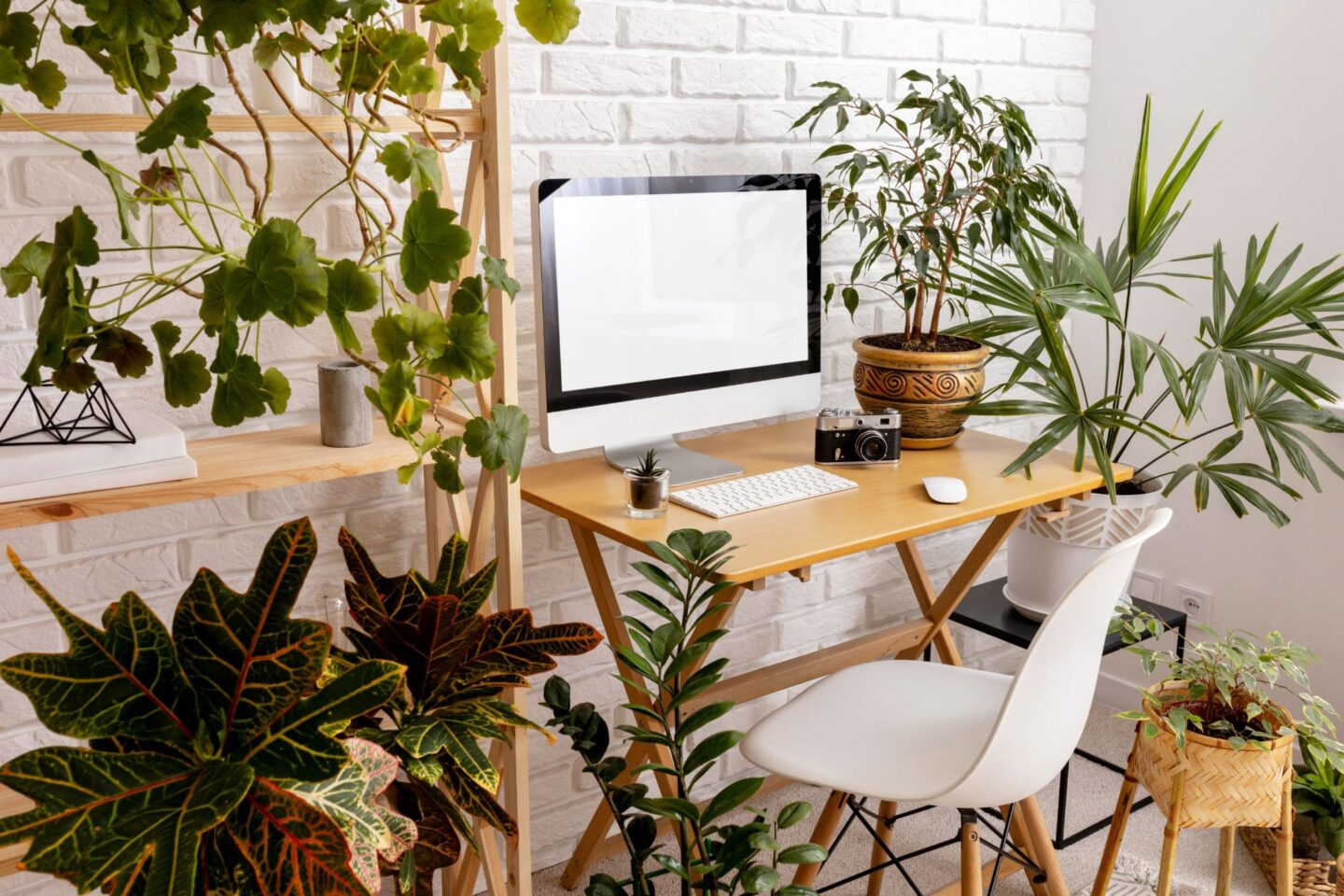
Creating a balanced professional environment requires a shift in perspective regarding how we occupy our physical surroundings. Many people spend the majority of their daylight hours within four walls, often disconnected from the rhythms of the natural world. This detachment can lead to a sense of fatigue that coffee alone cannot fix. When you begin to prioritise a biophilic approach, you notice an immediate change in the atmosphere. Introducing office floor plants into a communal area provides a visual anchor that softens the harsh lines of modern furniture while cleaning the air you breathe. This simple addition creates a sanctuary where productivity feels like a natural byproduct of your surroundings rather than a forced effort.
1. Utilising Greenery as Acoustic Insulation
Selecting the right greenery is not a task to be rushed, as each species has specific light and moisture requirements that must align with your building’s layout. A tall, leafy specimen in a corner can transform an underutilised space into a focal point that encourages quiet contemplation or informal collaboration. These living installations do more than just look pleasant; they act as organic sound absorbers, dampening the echoes of a busy afternoon. By choosing varieties that thrive in low light or consistent air conditioning, you ensure that your investment continues to provide aesthetic and health benefits without requiring constant intervention.
Placement of these organic barriers should follow the natural flow of foot traffic to ensure they do not obstruct movement while still catching ambient noise. Denser foliage serves as a superior shield against the hum of electronics and the sharp tones of telephone conversations that often bounce off glass partitions. This layer of protection allows for a more peaceful concentration zone, where the rustle of leaves provides a far more soothing background than the sterile silence of a concrete shell.
2. Sourcing Local Botanical Expertise
Finding the right partner to help you navigate these botanical choices is a vital step in the process of creating a sustainable indoor garden. You might find yourself wandering through local markets or searching for a professional florist in Singapore to find accents that complement your larger installations. An expert can offer advice on which seasonal blooms or hardy succulents will withstand the specific humidity levels of your interior. They provide the necessary expertise to match a plant’s personality with the culture of your team, ensuring that the greenery feels like an integrated part of the identity rather than an afterthought.
Establishing a consistent relationship with a local specialist allows for a revolving door of seasonal interest that keeps the office aesthetic fresh and engaging. These professionals understand the local climate and can troubleshoot issues like yellowing leaves or pest prevention before they become widespread problems. Having this support system means your workspace remains a lush environment that consistently reflects a high standard of care and attention to detail.
3. Enhancing Retention Through Environmental Care
A workspace that feels cared for sends a powerful message to everyone who walks through the doors. When a company invests in the physical comfort and mental clarity of its staff, it fosters a culture of mutual respect and professional stability. Natural light, combined with the presence of office floor plants, reduces eye strain and helps regulate sleep cycles, which indirectly supports a more focused workforce. These subtle changes to the environment contribute to a sense of belonging, making the office a place where people actually want to spend their time.
Focusing on the physical workspace demonstrates a commitment to the holistic experience of the team, which often results in higher levels of job satisfaction. When individuals feel their surroundings are designed with their health in mind, they are more likely to engage deeply with their tasks and collaborate with enthusiasm. This atmospheric shift transforms the workplace from a mere destination into a supportive community hub that actively contributes to the professional growth of every member.
Conclusion
Creating a workspace that meets human needs is an ongoing adventure of fine-tuning and observation. By prioritising the integration of office plants, you foster a vibrant, breathable environment that supports daily focus. Every little choice, from the height of a fern to selecting a trusted florist in Singapore for desk arrangements, contributes to the collective experience, and it’s all about making the office feel like home.
Contact D’Spring Flowers to begin your journey toward a greener, more vibrant professional workspace today.



Leave a Reply