Working from home sounds like a dream on paper. No commute, no office small talk, no sad desk lunches. But somewhere between your third coffee and your fifth video call, reality sets in — and motivation can quietly disappear.
The truth is, your environment has a huge impact on how well you work. And while most people think productivity is all about willpower and to-do lists, your physical setup plays a much bigger role than you might expect.
Why Working From Home Can Actually Work Against You
The sofa looks comfortable. The kitchen table is convenient. But neither is doing your back — or your focus — any favours.
When your workspace blurs into your living space, your brain struggles to switch into “work mode.” You get distracted more easily, you fidget, you find yourself scrolling rather than actually getting things done. And if you’re physically uncomfortable? Forget it. You’ll spend half the day repositioning yourself and the other half nursing a sore neck.
Complacency is one of the biggest challenges of home working. Without the structure of an office, it’s easy to let habits slide — and once your concentration goes, it can be surprisingly hard to get back.
Small Changes That Make a Big Difference
Productivity doesn’t have to be a complete lifestyle overhaul. Start with the basics:
● Set a consistent start time. Your brain responds well to routine. Starting at the same time each day creates a natural trigger to focus.
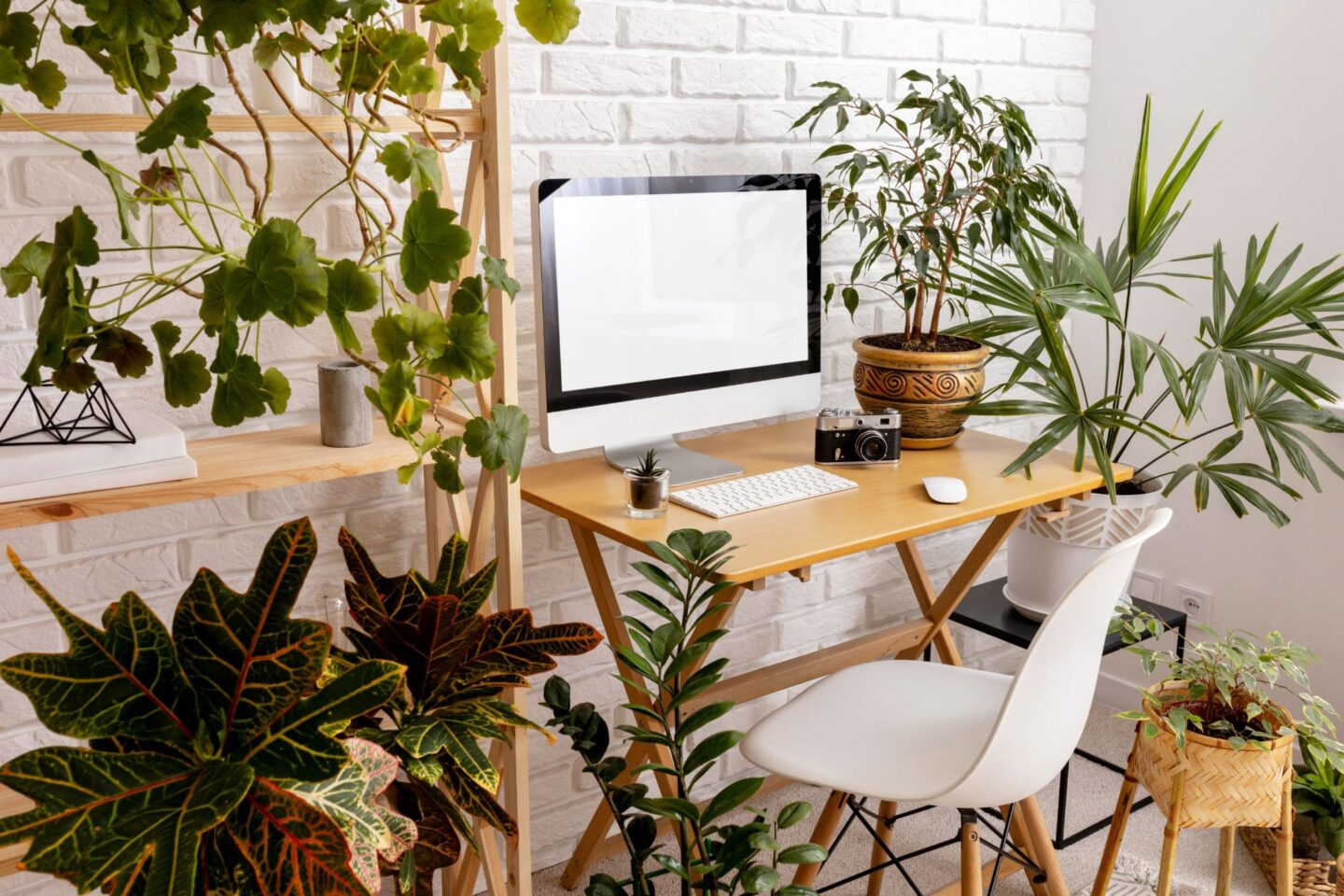
● Create a dedicated workspace. Even if it’s just a corner of a room, having a space that’s just for work helps your mind separate rest from productivity.
● Take proper breaks. Stepping away from your screen — even for ten minutes — refreshes your concentration and stops fatigue from creeping in.
● Limit distractions. Put your phone on silent, close unnecessary browser tabs, and let the people you live with know when you’re in focus mode.
These habits matter. But they’ll only get you so far if the chair you’re sitting in is working against you.
How the Right Chair Changes Everything
Here’s something that doesn’t get talked about enough: physical discomfort is a silent productivity killer.
When you’re slouched over a kitchen chair or perched awkwardly on the sofa, your body is under constant low-level stress. That translates directly into fatigue, poor concentration, and — over time — genuine physical strain. Back pain, neck tension, and headaches are all common complaints among home workers, and a surprising amount of it comes down to the chair.
Ergonomic office chairs are specifically designed to support the way your body naturally sits. They promote good posture, reduce pressure on your lower back, and allow you to sit comfortably for longer periods without shifting around. Features like adjustable lumbar support, seat height, and armrests mean you can tailor the chair to your body — not the other way around.
The result? Less physical distraction, more sustained focus, and a workspace that actually helps you do your best work.
Good office chairs don’t have to be clinical or dull, either. There are plenty of options that look great in a home environment — so you don’t have to sacrifice style for the sake of your spine.
Building a Home Office That Works For You
The goal isn’t to recreate a corporate office in your spare room. It’s to build a space that supports you — one that feels professional enough to keep you motivated, but comfortable enough to actually enjoy.
Think about it this way: the tools you use every day matter. A great chair, a desk at the right height, and good lighting don’t just make your space look better — they make you feel better. And when you feel better, you work better. It really is that simple.
Investing in ergonomic office chairs is one of the most impactful things you can do for your home working setup. It’s not a luxury — it’s a foundation.
Your Productivity Starts With Where You Sit
If your work-from-home routine has been feeling a little flat lately, it might be less about motivation and more about environment. Take an honest look at your setup. Is your chair actually supporting you? Is your workspace helping or hindering your focus?
Sometimes the smallest changes — like upgrading to a proper ergonomic office chair — can completely shift how you feel about your working day. Start there, and build from the ground up.



Leave a Reply