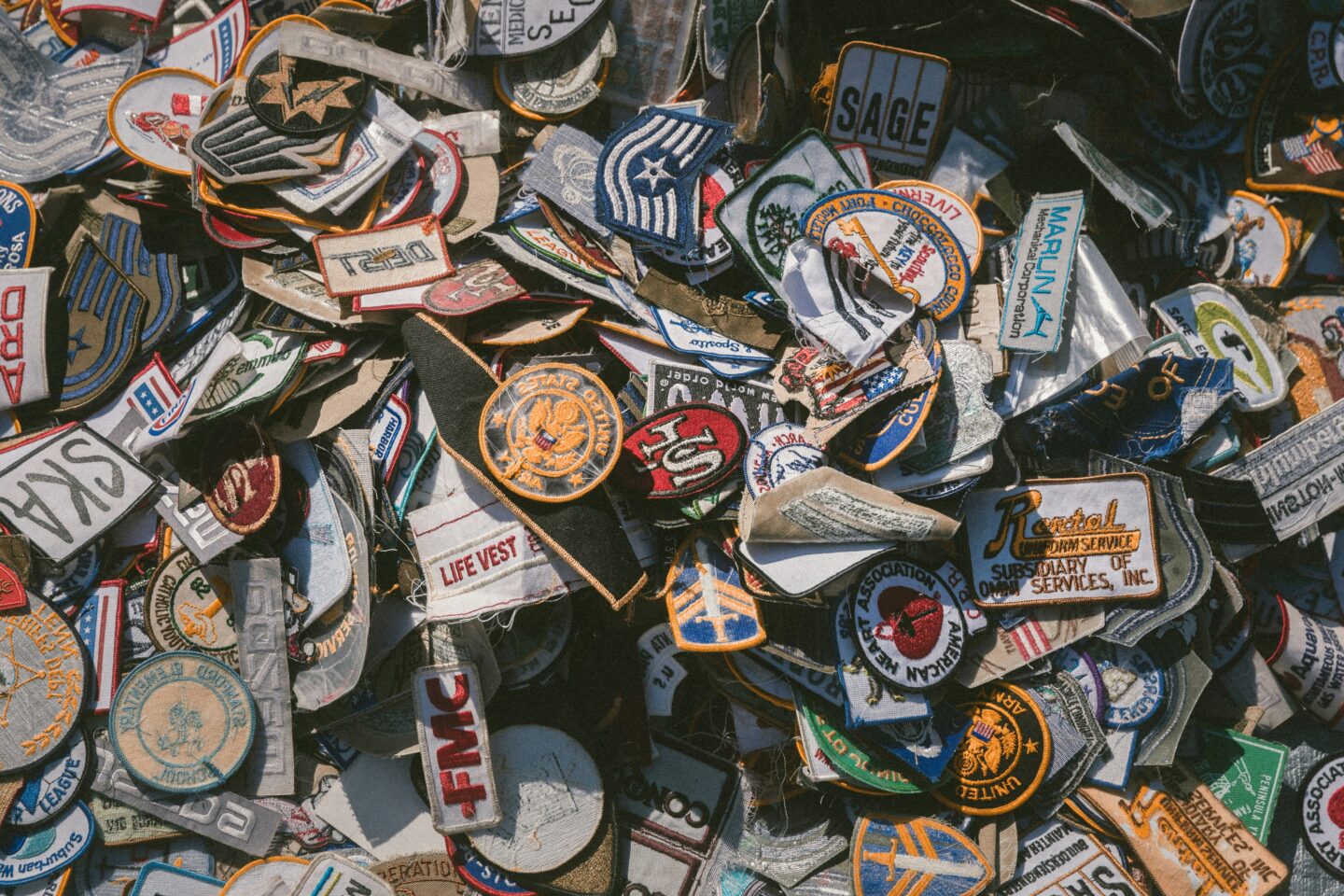
Streetwear has always turned small visual details into strong identity signals. Logos, graphics, labels and garment finishes help a simple hoodie or jacket feel connected to a particular brand, community or creative movement. Custom woven patches have become particularly useful for this purpose because they combine detailed woven artwork with a physical textile finish that feels naturally suited to clothing.
Modern streetwear brands use woven patches to display logos, lettering, symbols and limited-edition artwork without relying entirely on screen printing or direct embroidery. The patch becomes part of the garment rather than simply another printed graphic.
That combination of detail, texture and flexibility explains why woven patches continue to appear across jackets, overshirts, hoodies, caps, denim, bags and other streetwear products.
What Makes Woven Patches Suitable for Streetwear?
Woven patches are fabric badges created by weaving fine threads together to form the design and background of the patch.
Unlike embroidered patches, where thread is stitched onto a separate backing material, woven construction creates the image directly through the weave. This produces a relatively flat surface with clean lines and high design definition.
That structure matters in streetwear.
Streetwear graphics often include:
- compact typography
- intricate logos
- geometric shapes
- illustrated symbols
- brand monograms
- small design details
- multiple colour areas
Fine woven thread allows these elements to remain visible even when the patch itself is relatively small.
The relationship is simple:
Fine thread creates tighter detail. Tighter detail preserves artwork. Preserved artwork strengthens visual branding.
This makes woven patches particularly useful when the original artwork contains more information than conventional embroidery can comfortably reproduce.
Streetwear Depends on Recognisable Brand Identity
Streetwear sells more than clothing. It sells identity.
Successful streetwear labels develop recognisable visual systems around colours, logos, typography, symbols and repeated motifs. Customers then associate those visual elements with the brand.
A patch provides a physical place for those identifiers.
For example, a brand can place the same woven emblem on a denim jacket, bucket hat and cross-body bag. The garment changes, but the visual identity remains consistent.
This creates an important semantic relationship:
Brand uses patch. Patch displays identity. Identity increases recognition.
The patch therefore performs both a decorative and branding function.
This is one reason woven badges work well for independent clothing labels. A relatively small branded element can make an otherwise simple garment look intentionally designed.
Woven Construction Supports Fine Streetwear Graphics
Streetwear artwork frequently contains details that are difficult to reproduce with thick stitching.
Woven patches solve this problem by using thinner threads and a tightly constructed surface. Fine lines, smaller lettering and complicated shapes can therefore remain clearer.
The difference becomes particularly noticeable with artwork such as:
- detailed wordmarks
- small slogans
- miniature illustrations
- fine outlines
- closely positioned design elements
- intricate symbols
- compact lettering
Brands developing highly detailed artwork can benefit from understanding how fine-detail woven patch design affects the final result.
Design complexity should always match the physical limits of the manufacturing method. When the artwork and weave structure work together, the finished patch communicates the intended design more accurately.
Woven Patches Give Clothing a Premium Textile Finish
Printed graphics sit on the surface of a garment. Woven patches add another physical textile component.
That difference changes how the product feels visually.
A patch introduces:
fabric + thread + edge + attachment
These attributes create depth without requiring a heavily raised embroidered surface.
The result suits many contemporary streetwear designs because the patch feels integrated with the garment while remaining visually separate enough to attract attention.
A black overshirt, for example, may have very little decoration beyond a small woven chest badge. That single element can give the garment a stronger branded appearance without turning it into an oversized graphic piece.
This restrained approach fits brands that prefer minimal streetwear, workwear-inspired fashion or premium casual clothing.
Streetwear Brands Can Use Different Patch Placements
Patch placement changes the visual character of a garment.
A chest patch creates a relatively traditional branded appearance. A sleeve patch acts more like a secondary identifier. A large back patch creates a statement piece.
Common streetwear placements include:
- chest
- upper sleeve
- lower sleeve
- shoulder
- back panel
- trouser pocket
- waistband
- cap front
- cap side
- beanie cuff
- tote bag
- backpack
The same patch design can therefore support several products within one clothing collection.
This flexibility helps brands maintain consistency without repeating identical garment layouts.
Different Sizes Create Different Visual Effects
Patch size influences both design visibility and garment balance.
Small woven patches work well for subtle logos, while larger patches provide more space for artwork and text.
Brands should consider the relationship between:
patch dimensions + garment dimensions + viewing distance
A very small badge may look appropriate on a cap but disappear visually on the back of an oversized jacket. A large patch may create impact on outerwear but overwhelm the front of a T-shirt.
Understanding available woven patch sizes helps designers choose dimensions that match the intended application.
The goal is not simply to make the logo bigger. The goal is to create the correct proportion between the patch and the garment.
Woven Patches Work Well With Limited-Edition Drops
Scarcity plays an important role in streetwear culture.
Brands regularly launch capsule collections, collaborations, seasonal releases and limited product drops. Woven patches provide another way to differentiate these releases.
A standard garment can receive a unique patch created specifically for:
- an anniversary
- a collaboration
- a city
- an event
- a seasonal collection
- a numbered release
- a special colourway
This allows a brand to modify its familiar identity without completely redesigning the garment.
A core logo might remain unchanged while the patch colour, border, wording or background changes for each collection.
These small variations can give customers a reason to distinguish one release from another.
Colour Matching Helps Maintain Brand Consistency
Colour is one of the strongest identifiers in fashion branding.
If a streetwear label repeatedly uses a particular red, blue or green, noticeable variation between different products can weaken visual consistency.
Thread colour therefore matters.
Brands can use Pantone colour matching to bring patch colours closer to established brand palettes.
The semantic relationship is straightforward:
Brand defines colour. Thread reproduces colour. Consistent colour protects identity.
Colour accuracy becomes especially important when the patch sits alongside printed packaging, embroidered garments, website graphics and other branded materials.
The closer those elements appear visually, the more unified the brand feels.
Different Edge Finishes Change the Streetwear Aesthetic
The border is not simply the outer edge of a patch. It contributes to the appearance of the finished product.
Different woven patch edge types suit different artwork shapes and styling approaches.
A traditional merrowed edge creates a visible stitched border and often suits classic circular, rectangular or shield-shaped badges.
A heat-cut edge can follow more detailed outlines.
Laser-cut finishing supports precise shapes where the design requires a clean silhouette.
Streetwear designers can therefore treat the edge as another design attribute rather than a purely technical decision.
A bold border can make the patch feel intentionally rugged. A narrow precision-cut edge can create a cleaner, more contemporary appearance.
Multiple Backing Options Give Designers More Flexibility
Streetwear patches are not always attached in the same way.
Different garments, manufacturing processes and creative concepts require different attachment methods.
Common woven patch backing options include sew-on, iron-on, hook-and-loop and self-adhesive solutions.
For permanent garment branding, sew-on patch backing provides a traditional attachment method.
For removable designs, hook-and-loop backing allows one badge to be replaced with another.
That creates additional possibilities for interactive streetwear.
A jacket could contain a hook-and-loop area where customers swap patches depending on their outfit, collection or preference.
In this model:
Garment provides attachment area. Patch provides interchangeable design. Customer controls appearance.
The patch becomes part of the product experience rather than simply decoration.
Woven Patches Complement Workwear-Inspired Streetwear
Modern streetwear regularly borrows visual elements from workwear, military clothing, motorsport apparel and traditional uniforms.
Patches naturally belong to these visual languages.
Work jackets, mechanic shirts and military garments have historically used badges to communicate names, units, roles and organisations. Streetwear brands reinterpret the same visual system for fashion.
Instead of displaying a military unit or employee name, the patch might show:
- a fashion label
- fictional organisation
- collection name
- city reference
- artistic symbol
- slogan
- collaboration logo
This borrowing gives the garment a familiar functional appearance while changing the meaning behind the badge.
The result can feel authentic because the patch is being used in a context where textile insignia already makes visual sense.
Woven Patches Offer an Alternative to Embroidery
Both embroidery and weaving use thread, but they create different visual results.
Embroidery produces a thicker, more raised texture. Woven construction produces a flatter surface with greater capacity for fine detail.
Neither method is universally better.
The correct choice depends on the design.
A simple bold logo may benefit from the dimensional texture of embroidery. A complex illustration or small text may benefit more from woven construction.
Brands deciding between the two can compare the characteristics of woven vs embroidered patches before choosing a production method.
This distinction matters because the manufacturing technique should serve the artwork rather than force the artwork into an unsuitable format.
Patches Allow Brands to Build Collectable Products
Streetwear and collecting often overlap.
Customers collect trainers, caps, collaboration pieces, limited colourways and accessories. Patches can introduce the same behaviour at a smaller scale.
A fashion brand could produce a sequence of badges representing different seasons or releases.
For example:
Collection 01 uses one patch.
Collection 02 introduces a different version.
Collection 03 uses another colourway.
Over time, the patches become identifiers for specific product eras.
Brands can also provide removable patches as accessories. Customers can then customise compatible jackets or bags.
This creates a direct relationship between product design and personalisation.
Brand creates patch system. Customer selects patch. Selection changes garment identity.
That level of participation fits naturally with streetwear culture, where wearers frequently combine pieces to express individual style.
Woven Patches Can Strengthen Smaller Fashion Brands
Independent fashion businesses often compete against companies with much larger manufacturing and marketing budgets.
Strong product details can help smaller labels create a more distinctive presentation.
A carefully designed woven patch can turn a plain garment into something that appears more deliberate and brand-specific.
This does not mean simply adding a logo everywhere.
Effective streetwear branding depends on restraint.
A small sleeve badge may communicate the brand better than an oversized front graphic when the rest of the design is minimal.
The key is consistency between the patch, garment, colour palette and overall collection.
The wider use of woven patches for fashion brands reflects this connection between textile branding and clothing design.
Durability Matters for Everyday Streetwear
Streetwear is designed to be worn.
Hoodies, jackets, caps and overshirts experience friction, repeated movement and regular washing. Decorative elements therefore need to survive normal garment use.
Woven patches are constructed from interlaced thread, creating a textile surface that remains integrated as a single patch structure.
Attachment method also influences longevity.
A correctly sewn patch can remain secure through repeated wear, while garment care affects both the patch and surrounding fabric.
Following appropriate patch washing and care guidance helps protect the finished garment.
Brands should consider durability during product development rather than after production.
The relationship is clear:
Construction determines patch strength. Attachment affects security. Garment care influences lifespan.
All three factors contribute to long-term product quality.
Woven Patches Fit Both Minimal and Bold Streetwear
One reason patches remain popular is their versatility.
They do not belong to one specific streetwear aesthetic.
Minimal brands can use a tiny monochrome woven badge.
Skate-inspired labels can use colourful illustrated patches.
Military-inspired streetwear can use rectangular identification badges.
Vintage-inspired clothing can use traditional bordered emblems.
Luxury streetwear can use fine woven monograms with carefully controlled colours.
The manufacturing technique stays similar while the visual language changes.
That versatility gives designers considerable freedom without abandoning a consistent textile medium.
Why Are Woven Patches Likely to Remain Relevant?
Woven patches remain relevant because they solve several streetwear design requirements at the same time.
They reproduce detailed artwork. They provide physical texture. They support different shapes and sizes. They offer several attachment methods. They can reinforce brand identity across multiple garments.
Most importantly, they give brands a way to make clothing recognisable without depending exclusively on printed graphics.
Streetwear constantly changes its colours, silhouettes and cultural influences, but visual identity remains essential. Woven badges provide a compact format through which that identity can appear repeatedly across collections.
Final Thoughts
Woven patches have become popular in modern streetwear because their properties match the needs of contemporary fashion branding.
Fine woven threads reproduce detailed artwork. Textile construction adds a physical finish. Flexible sizing and edge options support different garment styles. Multiple backing methods allow permanent or interchangeable application.
Together, these attributes make woven patches useful for logos, limited releases, collaborations, workwear-inspired clothing and collectable streetwear.
A successful patch does more than occupy empty space on a garment. It connects the garment to the brand behind it. When the artwork, thread, colour, size, border and placement work together, a small piece of woven fabric can become one of the most recognisable elements of the entire product.



Leave a Reply