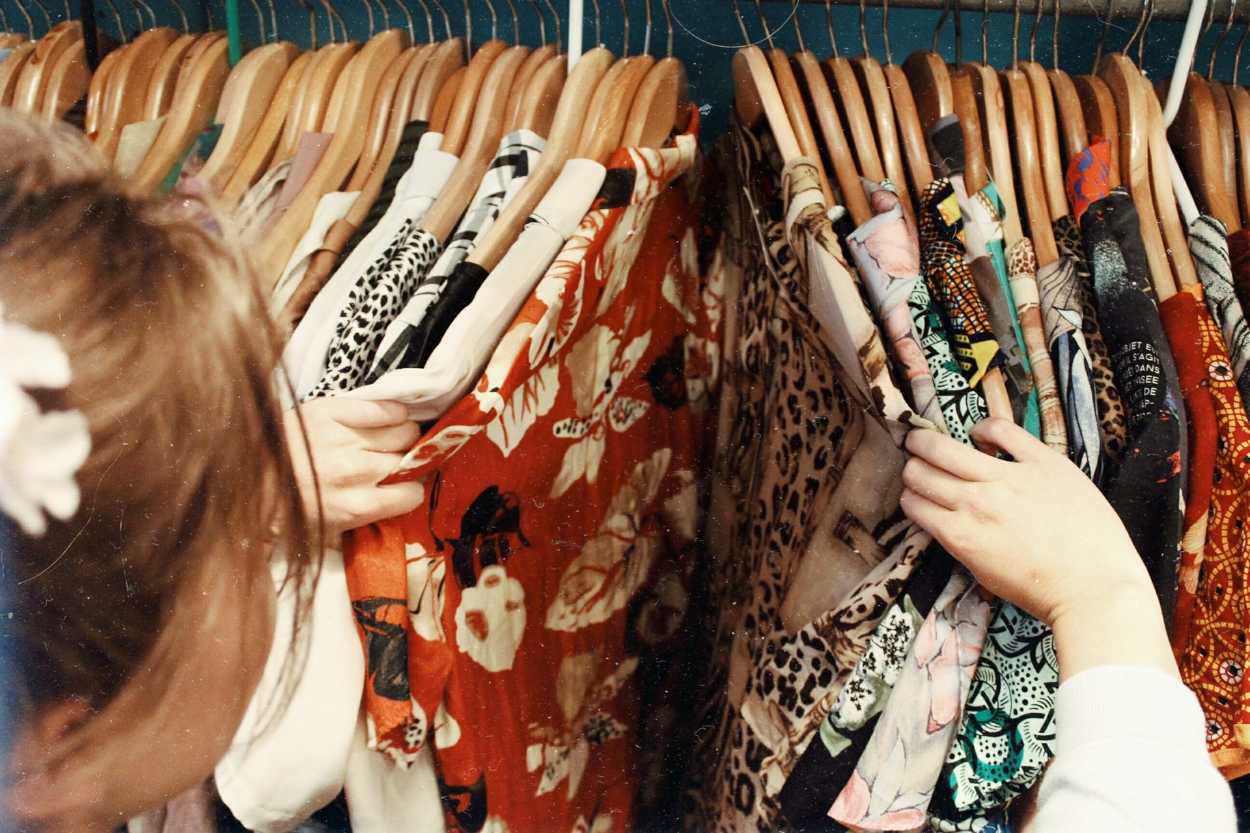
Vintage fashion continues to attract attention because it connects clothing with history, craftsmanship, and changing cultural tastes. Accessories are an important part of this story, particularly scarves that combine practical use with distinctive design. A vintage Burberry scarf is an example of how a familiar fashion accessory can remain relevant across different periods. Its appeal can be explored through traditional patterns, fabric choices, colors, and styling possibilities. Vintage pieces may also reflect the design preferences of the time in which they were produced. Understanding these details helps explain why older scarves continue to interest collectors and fashion enthusiasts.
The History Of Classic Scarves
Scarves have served practical and decorative purposes for generations. They have been worn to provide warmth, add color to clothing, and complete outfits for different occasions. Over time, fashion houses developed recognisable approaches to patterns, materials, and finishing details. British fashion traditions are often associated with structured outerwear, heritage checks, and accessories designed for changing weather. These influences helped establish designer scarves as useful wardrobe pieces rather than occasional decorative items. Older designs can offer a glimpse into previous fashion periods, showing how color combinations, fabric preferences, and patterns have changed while certain traditional elements have remained familiar.
Recognizing Traditional Design Details
Design is one of the most obvious elements of the old-style scarf. These may consist of checked patterns, stripes, repeated designs, and color combinations that are not very complicated. The traditional checked pattern is especially typical of British heritage fashion. It can give a distinct look without needing any decorative elements at all. While inspecting an old-fashioned scarf, it is always helpful to pay attention to the line and color combination, border, and finishing of the scarf. The labels and printing on the garment may also give you some additional clues regarding its authenticity. But never use separate design elements as evidence of authenticity alone.
Fabrics and Material Choices
The fabric that is used to make scarves plays an important role in determining the texture, weight, and appearance of the accessory. This is especially true when it comes to wool, which is usually related to cold weather due to its insulating properties and textured touch. The soft hand and light weight of cashmere scarves should be highlighted. Cotton scarves also have a unique texture, and they may have a specific season of use. Generally speaking, silk scarves tend to be lighter and feature smooth surfaces that are appropriate for decoration.
Colors and Styling Options
Color is an important aspect when it comes to matching a scarf with the overall look. Neutral colors like beige, gray, navy, and cream will be able to match with almost all types of clothes. Bold colors like red, green, blue, and others might make some contrast. A checked scarf will bring a design element to a plain coat, and vice versa; a plain one could match clothes that have a print on them. The way a scarf is worn can affect its look as well.
Understanding Vintage Condition
The state of an older accessory is one of the significant aspects of considering its history and the practical applicability of the item in question. The process of natural aging can influence the color, texture, labeling, borders, and fabric construction. Some of the items might be subject to storage wear and regular use, whereas some of them were possibly maintained well. When considering a vintage scarf, one can observe the state of the fabric evenly and take into account any changes that can influence the practical applicability of the item in question.
Caring for Older Accessories
Correct treatment will assist in keeping the vintage fabrics looking good. The appropriate treatment procedure will depend on the type of fabric, how it is made, and instructions for care that come with the piece. Professional cleaning will be needed for some fabrics, and washing instructions may be given by others. Harsh detergents, high temperatures, and harsh treatments might damage the fragile fibers, so precautions need to be taken when treating vintage fabrics. Scarves need to be kept clean and dry in a suitable place, out of the reach of sunlight and excess water.
Vintage Fashion in Modern Wardrobes
Vintage accessories can be incorporated into modern fashion, as they bring elements of pattern, texture, and design that are different from those seen in current collections. The old scarf can be paired with a coat, a knitted jumper, or even a modern look. Combining old and new accessories will bring contrast without taking away from their individuality. There is no requirement for one to adhere to a particular era or fashion trend in styling vintage accessories. The best thing to do is to pay attention to colors, proportions, climate, and individual comfort.
The Lasting Appeal of Heritage
The popularity of vintage scarves is an indicator of the current fascination with the history of fashion and well-known design styles. The materials used, patterns, labels, and style can tell us much about the changes that occurred both in people’s preferences and manufacturing processes. Some may consider vintage accessories as items that can be collected, while others will be more interested in their practicality and unusual design. Every old piece has its own story, which means that correct description and proper care are essential. With the help of knowledge about design, fabrics, condition, and styling, one can choose vintage accessories properly.



Leave a Reply