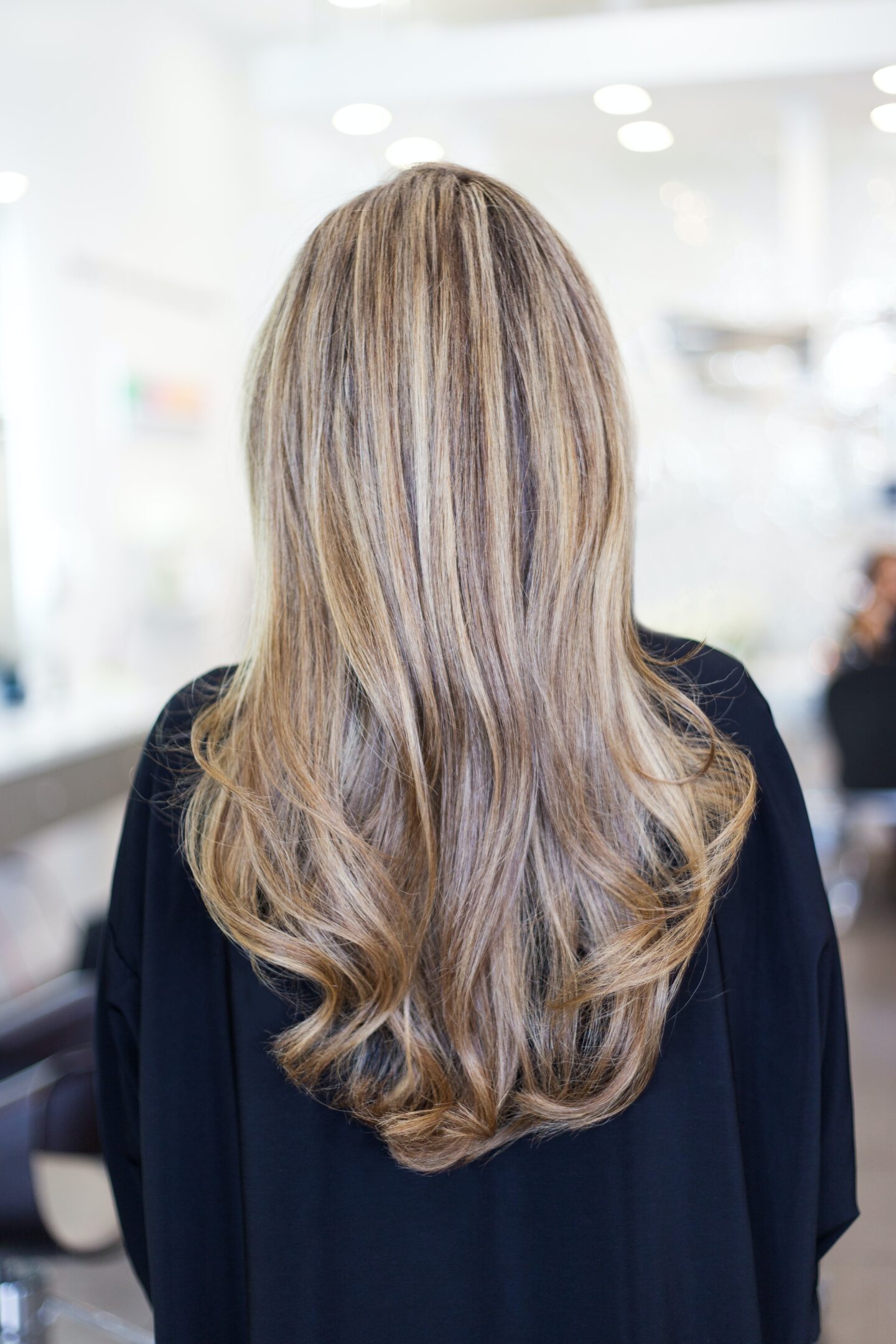
Most of us spend a fair amount of time fussing over what we put on our hair. Shampoos, masks, serums, oils – the bathroom shelf fills up quickly. And whilst those things do matter, it’s easy to overlook what’s happening beneath the surface. Healthy hair growth, it turns out, is largely an inside job. If you’ve been wondering why your hair isn’t quite as thick or strong as you’d like, the answer might lie in what your body is – or isn’t – getting nutritionally.
This is where hair supplements come into the conversation. Not as a miracle fix or a marketing gimmick, but as a genuinely useful way to support your body’s natural processes. Let’s take a proper look at why.
The Science Behind Hair Growth
Hair growth is more complicated than it might seem. It’s shaped by genetics, hormones, stress, and diet – all at once. Every strand on your head moves through a natural cycle with three distinct phases:
Anagen Phase (Growth Phase): The active part of the cycle, lasting anywhere from two to seven years. Hair grows roughly 1 to 1.5 cm per month during this time.
Catagen Phase (Transitional Phase): A short, two-to-three-week window where growth slows and the hair follicle begins to shrink.
Telogen Phase (Resting Phase): Hair stops growing, eventually sheds, and the whole cycle begins again. This phase typically lasts two to four months.
What keeps this process ticking along healthily? A lot of things – hormonal balance, stress levels, sleep. But diet plays a bigger role than many people realise. When the body is low on certain nutrients, hair is often one of the first things to suffer. It can become fine, brittle, or just slower to grow.
How Hair Supplements Support Growth
The right nutrients help keep follicles active and hair strands structurally sound. Hair supplements are simply a way of ensuring your body has access to those nutrients consistently. Here’s what tends to matter most:
1. Biotin (Vitamin B7) Biotin supports the production of keratin – the protein that gives hair its structure. Without enough of it, hair can become noticeably thinner and weaker. It’s one of the better-researched nutrients in this space, and many people find that getting adequate levels makes a real difference.
2. Vitamin D This one surprises people. Vitamin D isn’t just about bones – it also plays a role in forming new hair follicles and keeping existing ones active. Deficiency is incredibly common, particularly in the UK where sunshine is, shall we say, unreliable. Low vitamin D levels have been linked to hair loss conditions like alopecia areata, which is reason enough to pay attention.
3. Zinc Zinc helps regulate the oil glands around hair follicles and supports tissue repair – including the repair of follicles themselves. A deficiency can result in increased shedding and thinning, and it’s another nutrient that’s easy to fall short on through diet alone.
4. Vitamin E A useful antioxidant that helps protect hair from environmental damage. It also supports blood circulation to the scalp, which matters because follicles need a steady supply of nutrients to function properly. It helps maintain moisture balance too, reducing the kind of dryness that can disrupt the growth cycle.
5. Collagen Collagen keeps hair strong and elastic. The trouble is that the body produces less of it as we age, which is why hair tends to become more prone to breakage over time. Supplementing with collagen can help shore up that structural support.

Is It Worth Bothering With Supplements?
Honestly? For a lot of people, yes – but with some nuance.
A genuinely balanced diet is always the ideal starting point. The problem is that most people, even those who eat reasonably well, have gaps somewhere. Vitamin D deficiency is endemic in Britain. Zinc is easy to miss if you don’t eat much meat or shellfish. Biotin, whilst present in eggs and nuts, isn’t always consumed in amounts that support hair health under stress.
Hair supplements aren’t a replacement for good habits – they work best alongside them. Think of them as a support system rather than a solution. They’re also not going to transform your hair overnight. Consistent, long-term use is what tends to yield results, because hair growth is slow by nature.
There’s something to be said for the convenience angle, too. Rather than trying to hit every nutrient target through food every single day (which is genuinely difficult), a well-formulated supplement quietly fills the gaps without requiring a complete lifestyle overhaul.
Making It Part of Your Routine
Taking hair supplements is straightforward – most come as capsules or tablets that slot easily into an existing vitamin routine. The key is consistency. Taking something sporadically is unlikely to do much; committing to it daily over several months is where you tend to see a difference.
Pair them with sensible basics: stay hydrated, eat reasonably well, manage stress where you can, and get enough sleep. None of that is groundbreaking advice, but hair health really does reflect overall health in a fairly honest way.
A Final Thought
There’s no single secret to thicker, stronger hair – it’s more of a collection of small, consistent choices. But if you’re already looking after the external side of things and still not seeing the results you’d hope for, it’s worth considering what your body actually has to work with internally.
Hair supplements won’t work miracles. What they can do, for many people, is provide the nutritional foundation that makes healthy hair growth genuinely possible. Sometimes that’s exactly what’s missing.



Leave a Reply