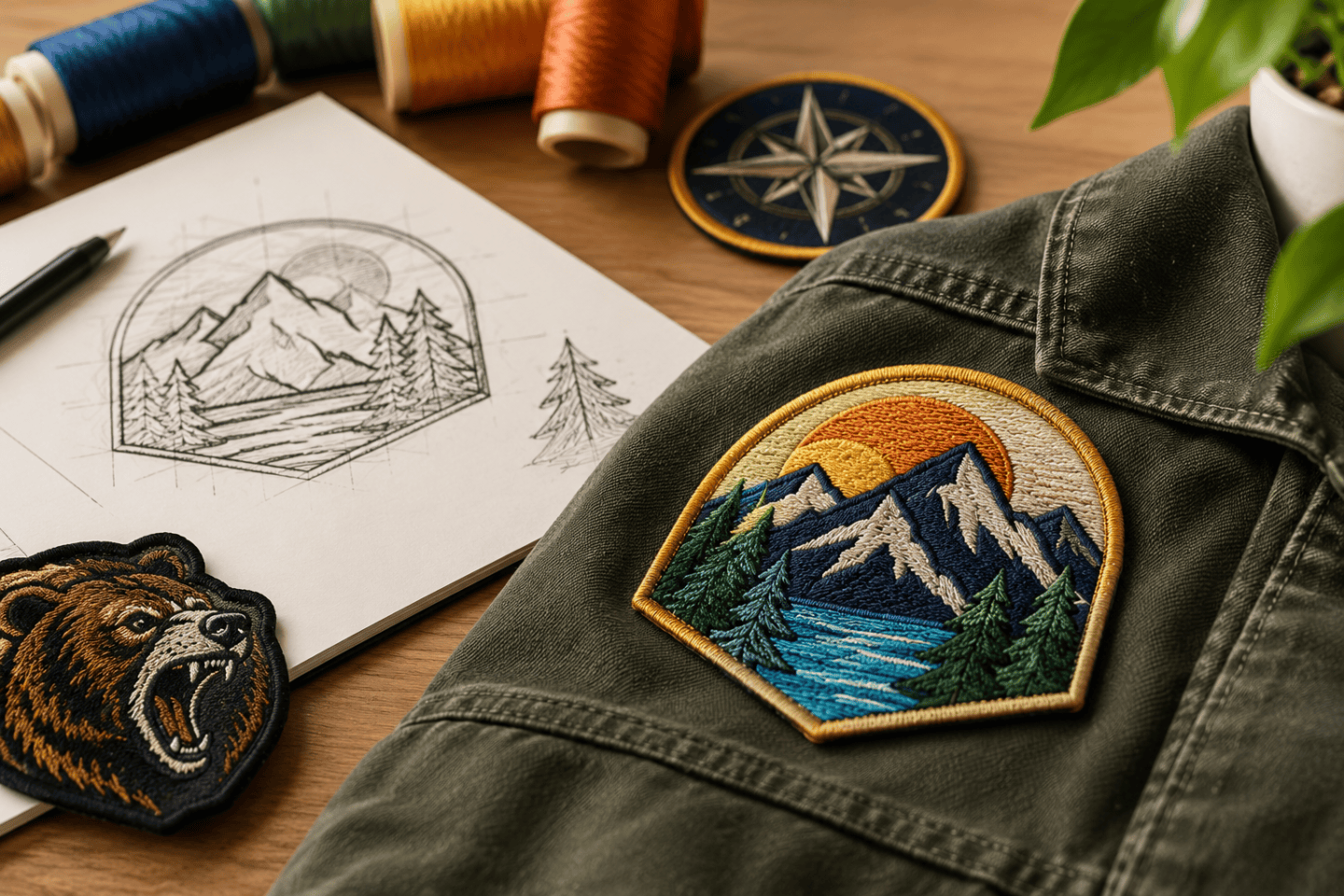
Fashion often comes down to the smallest details. A carefully placed motif, an interesting texture, or a decorative finish can turn a simple jacket into a statement piece. Designers increasingly look for ways to add personality to clothing without changing its entire structure, and embroidery offers an appealing solution.
Standard Patches can give even a plain denim jacket, canvas bag, or everyday shirt a more distinctive expression of personal style.
Beyond their decorative appeal, patches offer flexibility. They allow designers to experiment with colors, patterns, and placement while working with existing garments or developing new collections. From subtle floral details to bold graphic designs, embroidered embellishments blend craftsmanship with creative freedom.
Why Embroidered Patches Stand Out for Fine Detail
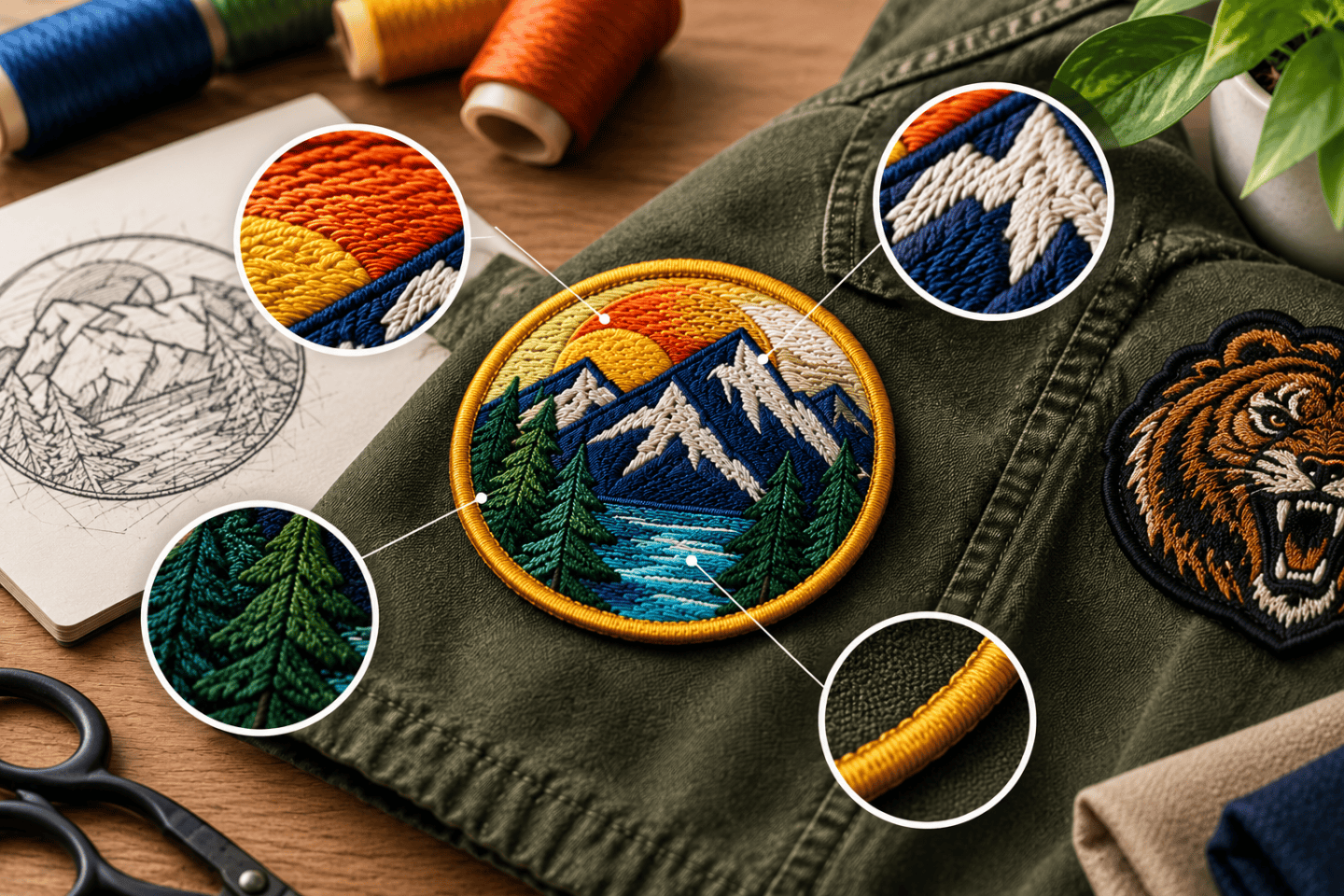
Embroidery creates visual interest through thread, texture, and carefully arranged stitches. Unlike a completely flat graphic, stitched artwork has a tactile quality that can make a design feel more substantial.
The direction, density, and color of the stitching all influence the final appearance. Designers can use contrasting threads to highlight outlines, blend shades to create softer transitions, or combine different stitch patterns to distinguish individual elements.
Borders also play an important role. A clean edge can give a patch a finished appearance, while the shape and scale of the design help it complement the garment. These details matter when a designer wants an embellishment to feel like an intentional part of an outfit rather than an afterthought.
However, not every design translates equally well into embroidery. Extremely small lettering, delicate lines, and complicated gradients may need adjustments to remain clear when stitched. Simplifying artwork where necessary can help preserve its defining features.
A Creative Way to Personalize Clothing
One reason embroidered patches remain useful in fashion is their versatility. They can complement different fabrics, styles, and occasions, making them suitable for both everyday clothing and more experimental designs.
Denim Jackets and Everyday Wear
Denim provides a natural backdrop for decorative stitching. A patch on the back of a jacket can become a focal point, while smaller designs on a sleeve or chest pocket create a more understated look.
Designers can combine several patches to develop a themed arrangement or use a single motif to keep the styling minimal. Floral artwork, abstract shapes, lettering, and vintage-inspired illustrations can all contribute to a garment’s character.
Bags, Hats, and Accessories
Accessories offer another opportunity to experiment with embroidered details. Canvas tote bags, caps, backpacks, and fabric pouches can all benefit from carefully selected embellishments.
Because accessories often have smaller design areas, placement becomes especially important. A patch should complement the item’s proportions and remain visible without making the overall design feel crowded.
Personal Style and Individual Expression
Patches also appeal to people who want their clothing to reflect their interests and personalities. A meaningful symbol, a favorite motif, or a custom illustration can give an otherwise ordinary item a personal connection.
For independent designers, this flexibility makes it easier to explore different visual identities without redesigning an entire garment from scratch.
Balancing Creativity With Durability
A decorative detail needs to look good, but it should also suit the garment it is intended for. The quality of the embroidery, the backing material, and the attachment method all influence how a patch performs over time.
The fabric underneath deserves equal attention. A sturdy denim jacket can usually support a heavier embellishment more easily than a lightweight blouse. On delicate materials, a large or stiff patch may affect the garment’s drape or comfort.
Designers exploring custom options can look at the possibilities offered by Standard Patches when considering artwork, patch dimensions, and the intended application. The final choice should always suit the garment’s material and the level of detail the design requires.
Sew-on patches can provide a secure attachment when properly stitched, while iron-on or heat-applied options depend on compatible fabrics, suitable temperatures, and correct application.
Designers should also consider how the finished item will be cleaned and worn. Excessive heat, harsh washing conditions, or repeated friction may affect the threads, backing, or surrounding fabric. Following the garment’s care instructions is essential.
Why Fashion Brands and Independent Designers Use Custom Patches
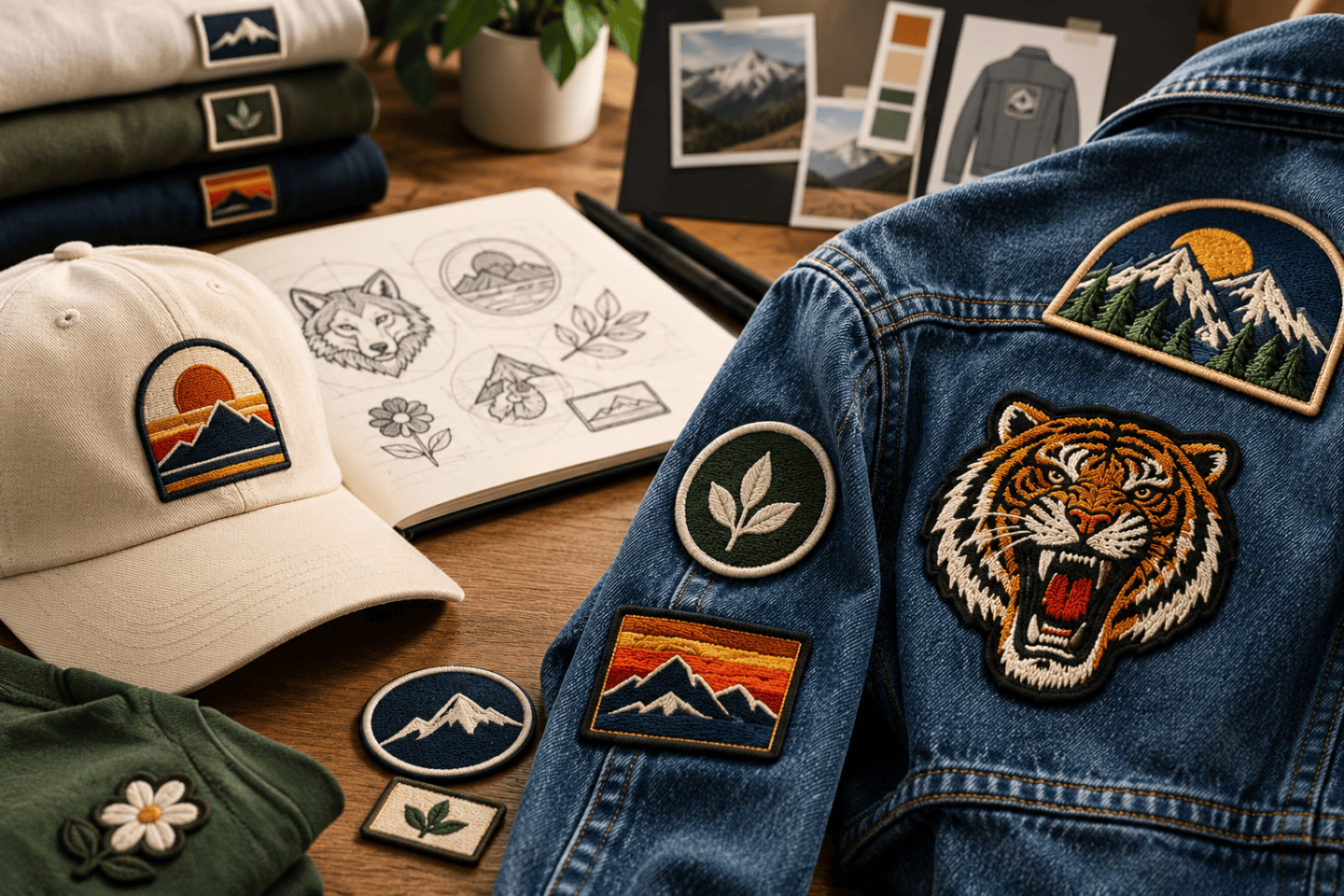
For fashion brands, embroidered patches can serve purposes beyond decoration. They can help establish a recognizable visual identity across products, create a consistent look for staff or teams, and add character to limited-edition collections.
- A small embroidered emblem on a shirt or cap can reinforce a brand’s aesthetic without dominating the garment. Similarly, a distinctive motif can connect several pieces within a collection, helping them feel visually related even when their cuts and colors differ.
- Independent designers may find patches useful when testing new ideas. Instead of committing to extensive changes across an entire production run, they can explore different motifs and placements to see how an embellishment works with the overall design.
- Custom patches can also support merchandise and collaborative projects. Artists, creators, clubs, and small businesses can adapt their artwork into wearable designs that reflect their identity. Standard patches is one option designers can explore when researching custom embroidered patch production for branding and creative projects.
The key is consistency. Thread colours, artwork, placement, and finishing should align with the intended style and quality of the final product.
Choosing the Right Embroidered Patch Design
Selecting the right patch involves more than choosing an attractive image. Several practical considerations can help designers achieve a better result.
Consider the Artwork and Thread Colors
Start with artwork that communicates clearly at the intended size. Strong outlines and well-defined shapes often translate more effectively than overly intricate details.
Thread colors should complement the garment rather than compete with it. Contrasting shades can make a design stand out, while similar tones create a more subtle finish.
Match the Patch to the Fabric
The garment’s material, weight, and intended use should influence the patch’s size and construction. Heavier designs may suit structured jackets and bags, while smaller, lighter embellishments may work better on softer fabrics.
Think About Placement
Placement changes how a patch is perceived. A central design can draw attention, while an embellishment near a pocket, cuff, or shoulder can provide a quieter finishing touch.
Before attaching a patch permanently, it helps to position it on the garment and assess its scale, visibility, and relationship with other design elements.
Choose a Suitable Attachment Method
Sew-on, iron-on, and other application methods each have different requirements. The right choice depends on fabric compatibility, the patch’s backing, the garment’s intended use, and the desired finish.
Checking these details before production can help avoid unnecessary alterations and improve the final result.
Making Every Detail Count
Great fashion design does not always require dramatic changes. Sometimes, a carefully chosen embellishment is enough to give a familiar garment a fresh identity. Embroidered patches offer designers a way to introduce texture, color, and intricate visual details while retaining the character of the original piece.
Their versatility makes them useful across clothing, accessories, branded merchandise, and personalized projects. When the artwork, materials, placement, and attachment method work together, a patch can feel like a natural extension of the design.
Ultimately, the strongest results come from treating small details with the same care as the rest of the garment. A well-considered embroidered element can add individuality without overwhelming the overall look.
Frequently Asked Questions
Why do designers use embroidered patches?
Designers use embroidered patches to add texture, color, and decorative detail to clothing and accessories. They can also help establish brand identity and create distinctive designs.
Which fabrics work best with embroidered patches?
Denim, canvas, and other sturdy fabrics are often suitable choices. Lightweight or delicate materials may require smaller patches, careful reinforcement, and a compatible attachment method.
Can embroidered patches be customized?
Yes. Designs can vary in shape, size, thread color, lettering, and artwork, depending on the manufacturing method and the complexity of the design. Custom manufacturers such as Standard Patches can be explored for options suited to different creative requirements.
How can embroidered patches last longer?
Choose a suitable attachment method, follow the garment’s care instructions, and avoid washing or ironing in ways that could damage the embroidery or backing.



Leave a Reply