Modern travel has changed. People still want the romance of the open road, but they also want something that fits real life: hybrid working, school runs, weekend escapes, and the occasional longer tour when calendars finally align. That’s exactly why the Ford Transit Custom campervan has become such a compelling “middle ground” in the camper market.
Not too big to be a burden. Not too small to feel like a compromise. Capable enough for proper adventures, yet practical enough to use without reorganising your entire lifestyle around it. If you’re weighing up your next travel setup—especially if you’re coming from tents, roof boxes, or even a larger motorhome—the Transit Custom often lands in the sweet spot for reasons that go well beyond brand loyalty.
The ‘right-sized’ van: big enough to live in, small enough to live with
The first reason the Transit Custom works so well is simple geometry. Mid-size vans hit a balance that larger panel vans and smaller MPVs struggle to match.
Easier driving, parking, and access
A common misconception is that “van life” automatically means a big vehicle and big compromises. In reality, a Transit Custom is far less intimidating than the long-wheelbase giants, especially if you’re driving in the UK or mainland European towns with tight streets and height barriers.
You’ll notice the benefits immediately:
- Less stress on narrow lanes and small car parks
- Better access to supermarkets, beaches, and urban stopovers
- Reduced “I can’t take this anywhere” anxiety that can limit spontaneous travel
That usability matters more than most people expect. If a camper is easy to drive, you’ll use it more often—and that’s the whole point.
Liveable interior space without going “full motorhome”
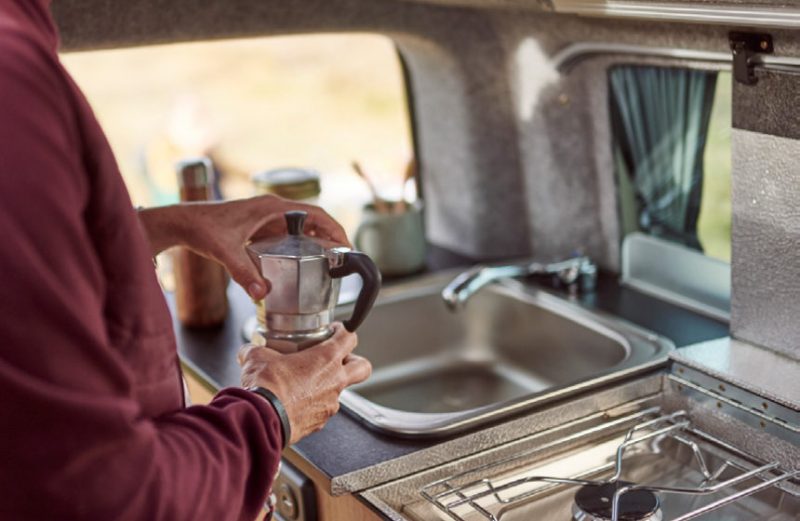
The Custom’s footprint can still support the essentials that make travel comfortable: a proper sleeping setup, functional cooking, and enough storage to avoid living out of a pile of bags. With smart layouts, it’s entirely realistic to have a rock-and-roll bed, kitchen unit, fridge, swivel seats, and even a pop-top roof for standing room and extra sleeping capacity.
The result is a vehicle that feels purpose-built for weekend breaks but doesn’t punish you on Monday morning.
Conversions have matured: today’s Transit Custom campers are genuinely sophisticated
Ten years ago, “converted van” could mean anything from a basic plywood platform to a well-finished touring setup. Now, the market is more refined, and the best Transit Custom conversions feel considered—designed around how people actually travel.
Layouts that match how you move through a day
A good camper layout isn’t about squeezing in features. It’s about the flow: where you sit when it rains, how quickly you can make a brew, where wet coats go, and whether you can access storage without turning the van upside down.
If you’re exploring options and want to see what a modern, well-integrated approach can look like, you can learn more about Transit van transformations as a useful reference point for current layouts, finishes, and typical conversion choices. Even if you’re still comparing routes (DIY vs. professional conversion), looking at real-world examples helps you spot what’s practical versus what just looks good in photos.
Everyday comfort features are no longer “luxury extras”
What used to be premium is now increasingly expected: diesel heaters, proper insulation, upgraded electrics, USB-C charging, dimmable lighting, and safe gas installations (or gas-free induction setups, depending on your preference). These features aren’t about glamour; they’re about extending your season beyond the handful of warm weekends.
A Transit Custom is especially well-suited to this “year-round capable” approach because it can handle the electrical, heating, and storage requirements without forcing you into a larger vehicle class.
The running-cost reality: where value meets capability
Romantic travel goals tend to collide with practical questions—fuel, servicing, tyres, insurance, and depreciation. Transit Customs tend to do well here because they’re built on a platform designed for commercial use.
A proven base vehicle with widespread support
One underappreciated advantage of the Transit Custom is the ecosystem around it. Parts availability, service knowledge, and general familiarity are strong. That doesn’t mean things never go wrong (they do, with any vehicle), but it does mean you’re less likely to be stuck hunting for specialist support in the middle of a trip.
Better utilisation equals better “value per trip”
Here’s a question worth asking: will you realistically use a bigger camper enough to justify it? Many people love the idea of a large motorhome, but they end up saving it for “proper holidays,” because it’s awkward to park at home, expensive to run, or simply too much for quick overnights.
A Transit Custom camper is more likely to become your default travel tool. Over time, frequency matters. A van you use twice a month can deliver more real-life value than a larger one that only leaves the driveway twice a year.
What to prioritise when choosing a Transit Custom camper conversion
Not all conversions are equal, and “best” depends on how you travel. Before falling in love with a colour scheme or a cleverly staged Instagram shot, focus on the fundamentals.
Start with your travel style, not the spec sheet
Do you chase remote coastlines? Spend weekends at trailheads? Mix city breaks with countryside? Your answers should shape the build.
If you want a simple way to pressure-test a layout, imagine a wet, windy evening and ask:
- Can I cook without contorting my back?
- Where do wet shoes and coats go?
- Can I get into bed without moving half the van?
- Is there enough power for my real devices (not hypothetical ones)?
Key technical considerations that pay off long-term
The most common regrets aren’t “I wish I had a fancier tap.” They’re things like inadequate insulation, weak leisure electrics, or not enough usable storage. Prioritise:
- Insulation and ventilation: comfort, condensation control, quieter sleeping
- Electrical system quality: battery capacity, charging methods, safe installation
- Heating approach: especially for shoulder-season trips
- Weight and payload awareness: so you don’t unintentionally overload the vehicle
A well-designed Transit Custom conversion should feel calm and tidy when it’s in use—not like you’re constantly playing campervan Tetris.
The real sweet spot: freedom without friction
The Ford Transit Custom campervan fits modern travel because it reduces friction. You can keep it on the driveway, pack it quickly, and head out without the “big trip” ceremony. It can be a daily driver and a weekend home. It’s large enough to be comfortable, yet nimble enough to stay spontaneous.
And that spontaneity is the modern luxury. Not marble worktops or LED mood lighting—just the ability to finish work on a Friday, throw in some food, and wake up somewhere different by sunrise. If that’s the kind of travel you’re aiming for, the Transit Custom is hard to beat.



Leave a Reply