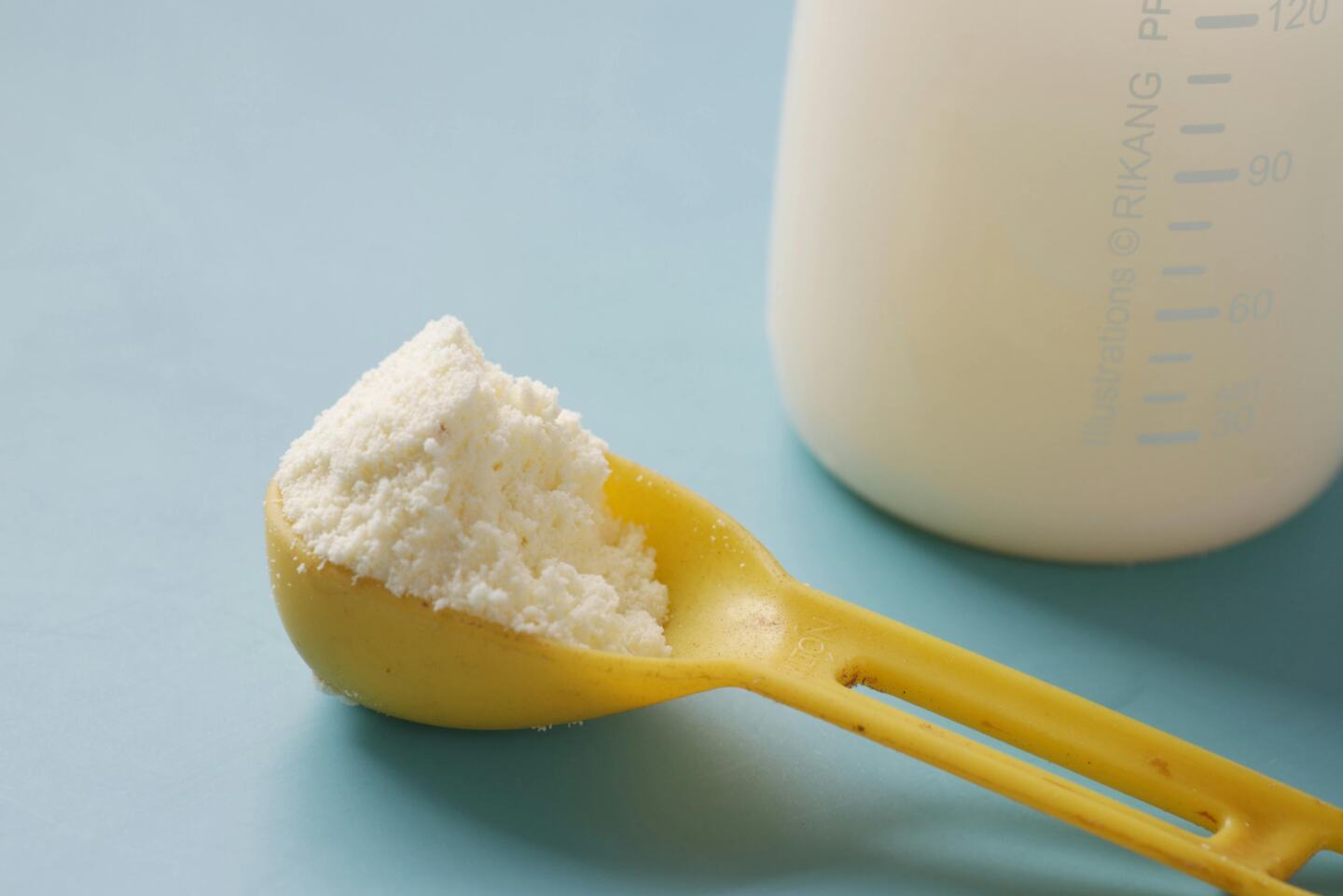
The surge in organic baby formula popularity reflects a broader shift in how modern parents approach infant nutrition. As more families scrutinize ingredient labels and manufacturing processes, organic formulas have emerged as an appealing alternative to conventional options.
In this article, we will explore the key factors driving parents toward organic formula choices when it comes to infant feeding.
Understanding Organic Baby Formula
The term “organic” in baby formula refers to infant nutrition produced without pesticides, growth hormones, GMOs, synthetic additives, or potentially harmful substances. For certification as organic, whether under USDA or EU standards, at least 95% of ingredients must meet strict organic requirements.
In the American market, authentic organic formulas must display the USDA Organic Seal. This certification ensures complete organic compliance, unlike products that merely claim to contain “organic ingredients,” which may only be partially organic.
Allied Market Research says that the organic baby formula market demonstrates robust growth. It was valued at $7.2 billion in 2023 and is projected to reach $17.7 billion by 2033. This reflects a 9.5% annual growth rate from 2024 to 2033.
Why Parents Are Turning to Organic Baby Formula: A Safety Perspective
Recent health concerns have sparked a significant shift toward organic baby formula options. Several serious issues with conventional formulas have emerged, prompting parents to seek safer alternatives for their infants.
A major concern involves cow milk-based formulas and their potential connection to necrotizing enterocolitis (NEC), a severe condition affecting newborns. Legal actions have been initiated against manufacturers of conventional formulas, with plaintiffs asserting that companies failed to disclose known NEC risks to families.
Another pressing issue emerged when testing revealed concerning levels of heavy metals in many conventional baby foods and formulas. These contaminants include:
- Lead
- Arsenic
- Cadmium
- Mercury
These findings led to multiple legal proceedings, including the filing of the toxic baby food lawsuit against major manufacturers. Parents claim these companies did not adequately inform consumers about potential metal contamination and associated health risks.
As per TorHoerman Law, research suggests these metals may impact childhood development, including:
- Cognitive function
- Developmental progression
- Overall health outcomes
Given these safety concerns, many parents now view organic formula as a more trustworthy choice for infant nutrition. This shift reflects growing awareness about ingredient safety and manufacturing practices in baby formula production.
This change in consumer preference demonstrates how safety concerns influence parental decisions about infant nutrition. The trend toward organic options continues to grow as more parents prioritize transparency in ingredient sourcing and manufacturing processes.
The Key Benefits of Organic Baby Formula
Organic baby formula offers several significant advantages over conventional alternatives, making it an increasingly popular choice among parents seeking optimal nutrition for their infants.
Reduced Chemical Exposure
Organic formulas eliminate synthetic pesticides, herbicides, and fertilizers commonly found in conventional products. This significant reduction in chemical exposure provides parents with greater confidence in their infant feeding choices.
GMO-Free Assurance
These formulas exclude genetically modified organisms, which currently dominate conventional agriculture. FDA says that statistics show remarkably high GMO adoption rates in U.S. farming. 94% of soybeans, 96% of cotton, 92% of corn, 95% of canola, and 99.9% of sugar beets are genetically modified. By choosing organic formula, parents avoid exposing their infants to GMO ingredients whose long-term effects remain uncertain.
Enhanced Nutritional Profile
Organic farming practices emphasize soil health and biodiversity, potentially leading to ingredients with higher nutritional value. These formulas usually have higher levels of beneficial compounds, such as omega-3 fatty acids and antioxidants. They support essential aspects of infant development, including brain growth and immune function.
Digestive Compatibility
Many infants show improved tolerance to organic formulas, experiencing fewer digestive issues such as gas, constipation, and colic. This improved digestibility stems from the absence of artificial additives and the use of premium, easily digestible ingredients.
Sustainability and Ethics
Organic formula production embraces environmentally responsible practices, promoting biodiversity and reducing pollution. These methods emphasize animal welfare and ecological balance, offering parents an opportunity to make environmentally conscious feeding choices.
Quality Assurance
Organic certification requires strict adherence to quality standards, ensuring product integrity through rigorous oversight. This certification process provides transparency and builds trust through clear labeling and ingredient sourcing information.
Hormone and Antibiotic Free
Organic dairy-based formulas source ingredients from animals raised without artificial growth hormones or routine antibiotic use, providing a more natural nutrition source for infants.
FAQs
Q: What distinguishes organic from conventional baby formula?
A: The key distinction lies in the source ingredients. Organic formula uses milk from cows raised on organic feed under free-range conditions. These cows are not given routine antibiotics, unlike those used in conventional formula production. This results in a more natural product with fewer artificial additives.
Q: Does organic formula affect digestion?
A: Organic formula often proves gentler on infant digestive systems. Its natural composition, enriched with essential nutrients and free from synthetic additives, typically makes it easier for babies to process and absorb. The absence of artificial chemicals and the presence of high-quality ingredients can support smoother digestion.
Q: How frequently should I feed formula to my baby?
A: For newborns receiving only formula, begin with 1-2 ounces every 2-3 hours. Feeding frequency varies based on hunger cues, with most formula-fed newborns requiring 8-12 feedings within a 24-hour period. Adjust portions upward if your baby shows signs of continued hunger. Always respond to your baby’s individual feeding cues and patterns.
This evolution in infant feeding choices reflects a larger societal trend toward more mindful consumption. Parents are increasingly considering factors like transparency, sustainability, and long-term health impacts.
The growing demand for organic formula highlights these changing priorities. It sends a clear message to manufacturers that purity and safety in baby nutrition are top concerns for today’s parents.



Leave a Reply