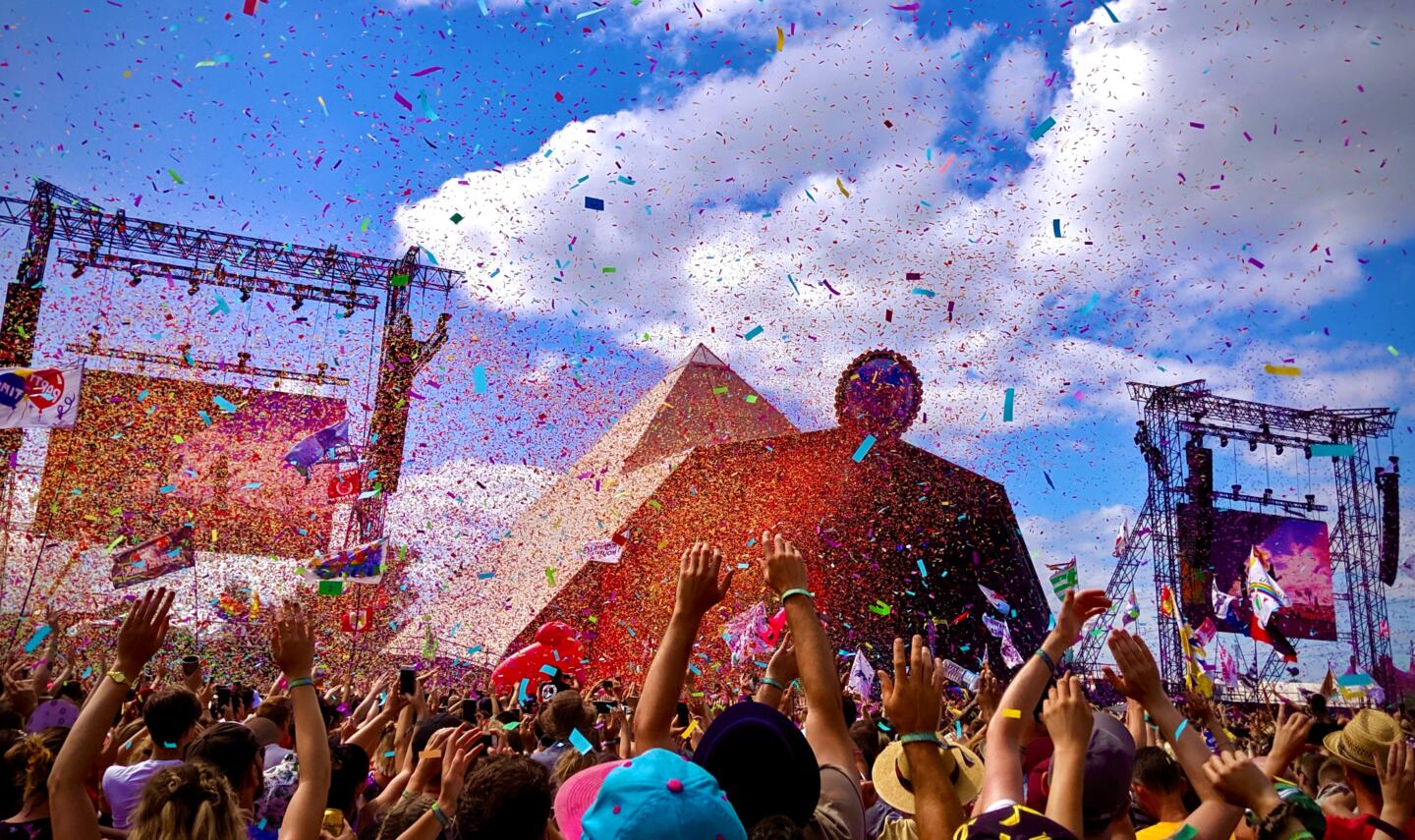
Like most great establishments, Glastonbury started from a humble beginning with a ticket costing a pound. Oh, and it came with a free pint of milk from the Worthy Farm. Fifty years on, the festival now sees over two hundred thousand patrons in attendance, with hundreds of artists taking turns to thrill fans.
What’s more exciting is the rush for tickets every time the festival goes on sale. This year’s 50th-anniversary tickets sold out in 34 minutes, even before the first act was announced. This feat broaches various questions. How did Glastonbury become a darling of festival goers?
Stages
Glastonbury’s stages are a sight to behold. Betway recently investigated Glastonbury, and the challenges organisers face to keep up with the festival’s reputation.Talking to Sally Howell about the festival’s planning efforts, the showrunner who has been manning Glastonbury’s Croissant Neuf stage for 36 years revealed that planning was almost an all-year-round job.
They need that form of extensiveness to host about 100 stages on the festival’s site every year. Apart from the majestic pyramid stage, all of these stages are temporal and require a lot of work hours to install.
More Than Music
A huge part of the festival’s budget goes to artists. There is no doubt that Glastonbury is one of music’s biggest platforms, as performers know. But you would be wrong to think that’s all that happens at the festival site. The festival presents a host of other experiences, from theatre to comedy. There is always something for everyone, regardless of your entertainment needs.
Creative Founders
Glastonbury is a passion project conceptualised by its founders. Since 1970, Michael Eavis has stayed close to the festival, running things or enjoying the scene from behind. This passion influences him to field activities like how Michael Eavis welcomed Glastonbury festival goers.
Either way, the founders are very much involved in the festival’s running, inculcating the passion into the 50 permanent staff directly employed by Glastonbury and the hundreds of others manning different stations for the Glastonbury vision to actualize.
Charity Work
According to the festival’s founder Michael Eavis, the show must sell out entirely to break even. Production and other costs amount to about 50 million pounds.
Due to COVID-19’s impact on the festival, the organisers maintain that sustainable financial management is the way to go. For this reason, it set aside ten million pounds into a contingency account to help with future risks.
The festival’s commitment to charitable causes does not wither regardless of present and future uncertainties. And it’s one crucial differentiating factor. For instance, Oxfam receives about two million pounds in donations to fight global poverty. Apart from the donation, the festival allows charitable brands like Greenspace and Water Aid to leverage Glastonbury’s vast audience for higher awareness creation results and impact.
The Guardian reports that delighted festival goers didn’t want it to end. Generally, there is a reason Glastonbury Festival keeps getting these remarks, and it’s beyond tangible. The emotional connection built by organisers has created a lasting connection between the festival-going audience, and they always know they’re in for a treat at Glastonbury.



Leave a Reply