
Barefoot walking is also sometimes called ‘earthing’ or ‘grounding’ and research suggests it can have a number of physical and mental health benefits. This article will explain what barefoot walking is and the health advantages it can offer.
What is barefoot walking?
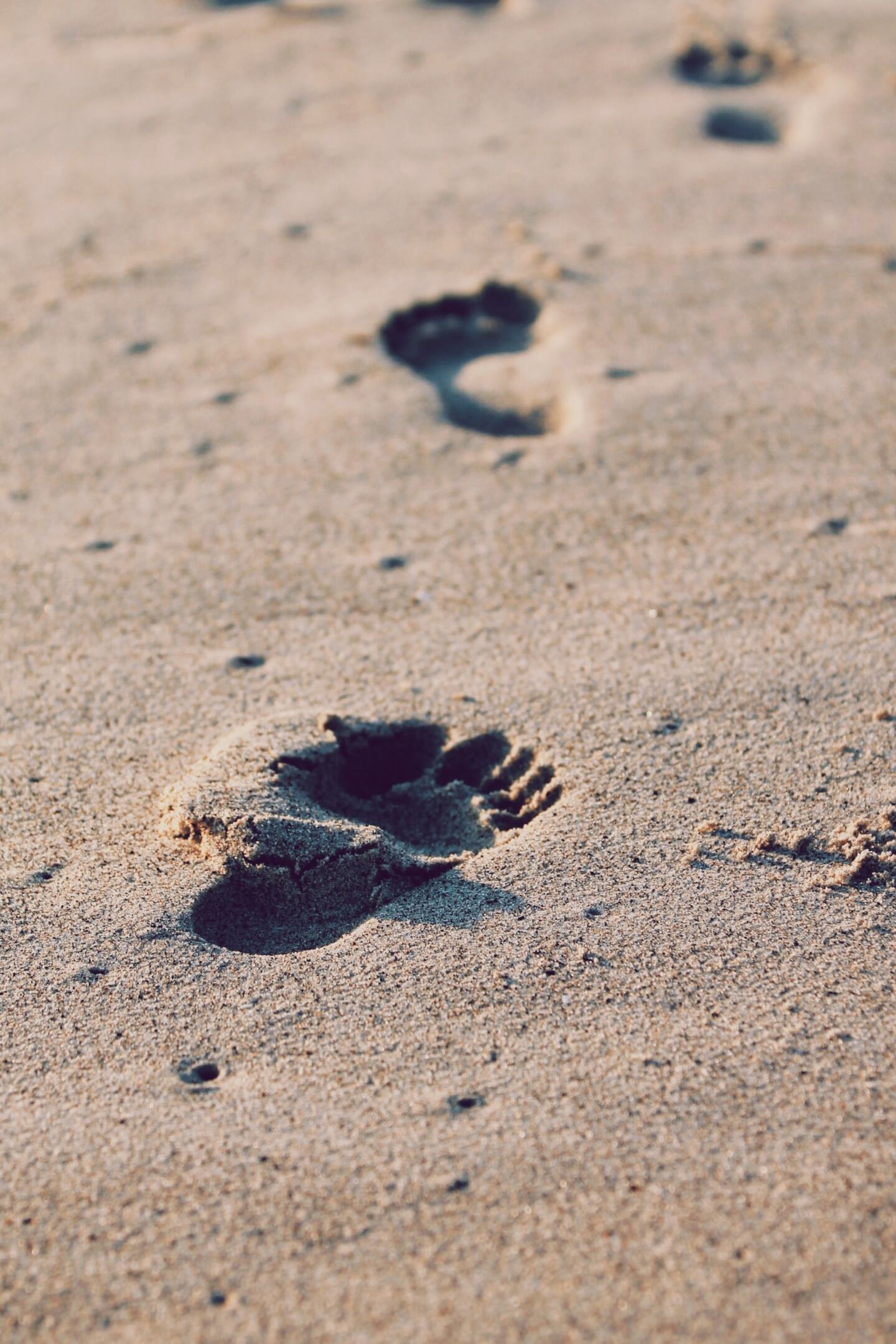
Barefoot walking is essentially walking without shoes on natural surfaces, i.e. outdoors on soil, grass or sand. Typically, most people wear shoes when walking outside, however, traditional footwear can affect how the muscles and bones in your feet develop. This changes how you walk over time, whereas walking barefoot allows your feet to develop and move more naturally.
Walking barefoot outside does come with obvious risks, such as accidentally damaging your feet by stepping on something sharp, stubbing your toes or picking up an infection. If you are hesitant about walking completely barefoot, there are barefoot shoes specially designed to protect the feet while offering a similar experience to barefoot walking.
What are the benefits of barefoot walking?
Studies have found that walking barefoot can improve balance and posture and has several mental and physical health benefits.
Better control of your gait
Barefoot walking can help to restore natural walking patterns, known as our gait. This can improve the position of our feet when standing and walking, which gives us better balance. Going barefoot also improves our proprioception, which is our bodies’ inbuilt ability to sense where we are in relation to our surroundings. This keeps us safe and helps us navigate an environment more easily. Walking barefoot can also help with improved mechanics of the hips, knees and core as it allows more natural movement of your feet, legs and back when walking and running.
Relief from improperly fitted shoes
Sadly, standard footwear is often ill-fitting. Many modern shoe styles are narrow, particularly around the toe area. This means they’re often tight and can rub when exercising or walking, which can lead to discomfort and blisters. It can also lead to other health complications or foot deformities, such as bunions, for example. Removing the need to wear shoes reduces these risks, however, it’s important to be aware that walking barefoot outdoors can lead to potential issues and injuries too. Shoes help protect us from extreme temperatures, rough terrain, sharp objects on the ground and potentially harmful bacteria. That’s why many people choose barefoot shoes as an alternative to going outside barefoot.
Spirituality
Walking barefoot is an act of physically connecting your body with the earth, known as earthing or grounding. This is how our ancestors moved around and by connecting with the earth’s surface they benefited from its natural healing energy.
As humans, our bodies carry a positive electrical charge, whereas the earth carries a negative charge. By making a physical connection with the ground, we’re able to discharge our excess energy, which may help our cells and protect us against chronic inflammation, which has been linked to many health problems, such as autoimmune conditions, diabetes and cancer.
Bodily functions
One study found that earthing or grounding increased the surface charge of a person’s red blood cells, which prevented them from clumping and so reduced blood viscosity, which is linked to heart disease. Meanwhile, another study found that reconnecting to the earth’s surface could help to regulate our endocrine and nervous systems.



Leave a Reply