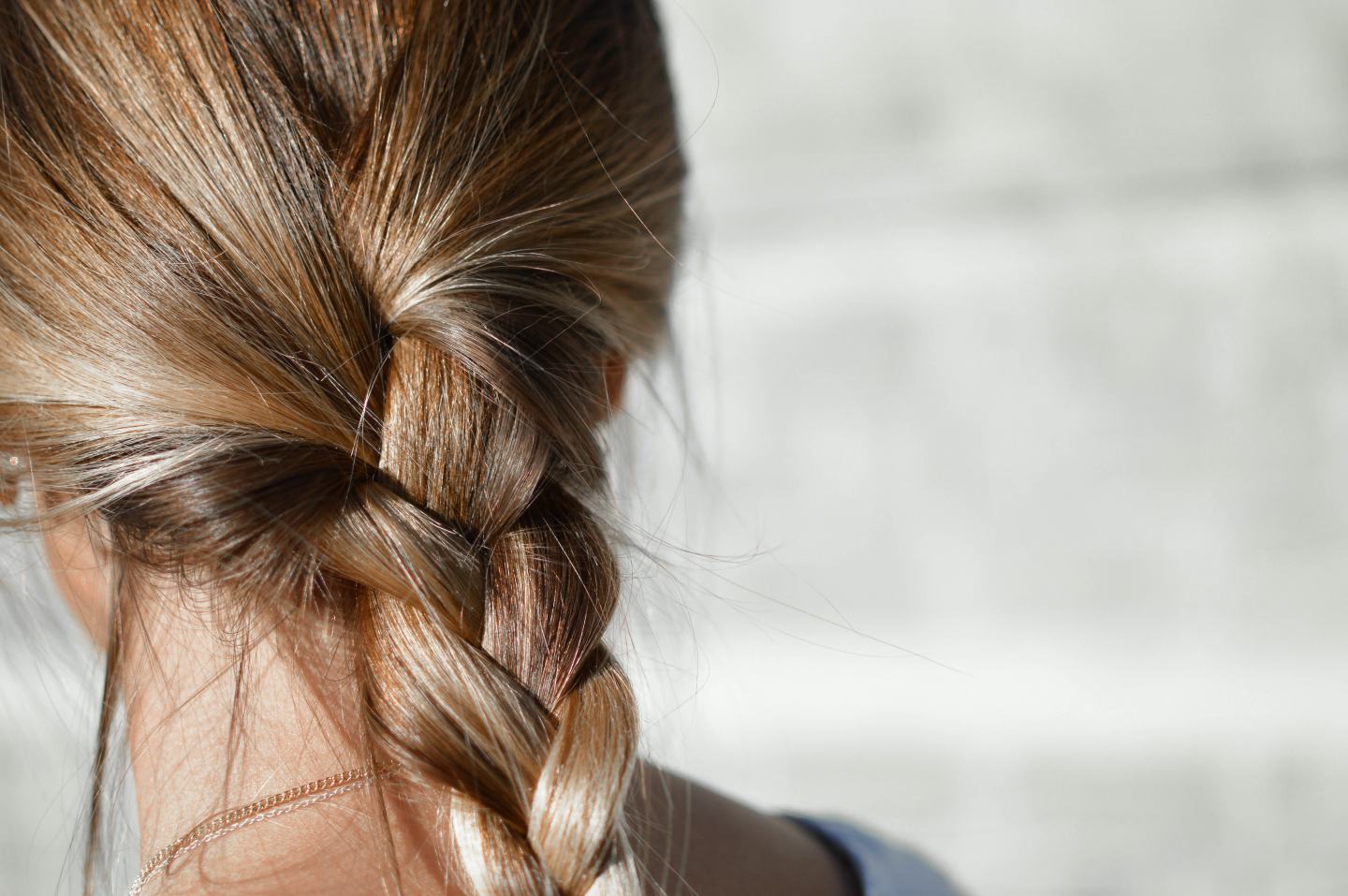
What is Postpartum Hair Loss?
Postpartum hair loss, medically known as telogen effluvium, is a temporary form of hair loss affecting women after childbirth. During pregnancy, elevated estrogen levels extend the hair’s growth phase, resulting in thicker, fuller hair. However, after delivery, the sharp drop in hormone levels triggers excessive hair shedding, typically beginning around 3-4 months postpartum.
Understanding the Science Behind the Shedding
Our hair naturally cycles through three distinct phases:
- The anagen (growth) phase, lasting 2-7 years
- The catagen (transition) phase, lasting about 10 days
- The telogen (resting) phase, lasting about 3 months
During pregnancy, more hairs remain in the growth phase due to hormonal changes. After childbirth, these hairs simultaneously enter the resting phase, leading to noticeable shedding.
Essential Ingredients to Look for in Hair Loss Shampoos
DHT Blockers
When shopping for the best shampoos for postpartum hair loss, the first ingredients to look for are natural DHT blockers. The most effective ones include saw palmetto, pumpkin seed extract, and green tea extract. These ingredients help prevent DHT from binding to hair follicles, potentially reducing hair loss.
Growth-Promoting Ingredients
The next category to consider includes biotin (Vitamin B7), panthenol (Vitamin B5), and niacin (Vitamin B3). These vitamins are crucial as they support keratin production and improve scalp health, creating an optimal environment for hair growth. You’ll find that people are also using natural oils for hair health, and also skin. These can be from essential oils like rosemary, right through to ones we have more access to like castor oil.
What to Avoid in Hair Products
Several ingredients should raise red flags when examining hair care products:
- Sulfates and harsh detergents that strip natural oils from hair
- Parabens and other synthetic preservatives that may disrupt hormones
- Artificial fragrances that commonly cause scalp irritation
- Denatured alcohols that lead to excessive drying
- Silicones that can build up and weigh down new growth
How to Evaluate Hair Care Products
When examining products, pay attention to the ingredient order, as manufacturers must list ingredients by concentration. The first five ingredients typically make up the majority of the product. Look for active ingredient percentages and optimal pH levels between 4.5-5.5. Remember that price doesn’t always indicate quality – focus instead on ingredient efficacy and concentration.
Complementary Hair Care Practices
Gentle hair care habits play a crucial role in managing postpartum hair loss. Use wide-toothed combs for detangling and avoid tight hairstyles that can cause additional stress on the hair follicles. Limit heat styling and be gentle during washing and drying. Supporting hair health through nutrition is equally important, with emphasis on proteins, iron-rich foods, omega-3 fatty acids, and zinc.
Timeline and Expectations
Most women experience peak shedding around 4 months postpartum. Recovery typically begins between 6-8 months after delivery, with full hair density returning by the first birthday. New growth may initially have a different texture, but this often normalizes over time. If shedding continues beyond 12 months or becomes patchy, consult a healthcare provider.
Lifestyle Factors Affecting Hair Recovery
Stress management plays a significant role in hair recovery. Regular gentle exercise, adequate sleep (when possible with a newborn), and accepting help from support systems can make a difference. Environmental factors also impact hair health, so protect your hair from chlorinated water, excessive sun exposure, and hard water minerals.
Making Your Final Selection
These factors are crucial when selecting a new hair growth products for women:
- Ingredient quality and concentration
- pH balance suitable for scalp health
- Product reviews from other postpartum mothers
- Professional recommendations
- Cost-effectiveness and product concentration
The Bottom Line
Postpartum hair loss, while distressing, is temporary and typically resolves with time and proper care. Focus on selecting products with proven ingredients while avoiding harmful chemicals. The best product is one that works for your specific hair type and concerns while fitting into your lifestyle and budget.
Remember to support your hair care routine with good nutrition, stress management, and gentle handling practices. Most importantly, be patient with the process and remember that this phase, like many aspects of postpartum recovery, is temporary. If concerns persist, don’t hesitate to seek professional guidance from a dermatologist or trichologist who specializes in postpartum hair issues.
The journey through postpartum hair loss can be challenging, but with proper knowledge and care, you can effectively manage this temporary phase while maintaining your hair’s health. Focus on gentle care, proper nutrition, and choosing the right products for your specific needs. Remember that every woman’s experience is unique, and what works for one may not work for another – patience and consistency are key to finding your optimal hair care routine.



Leave a Reply