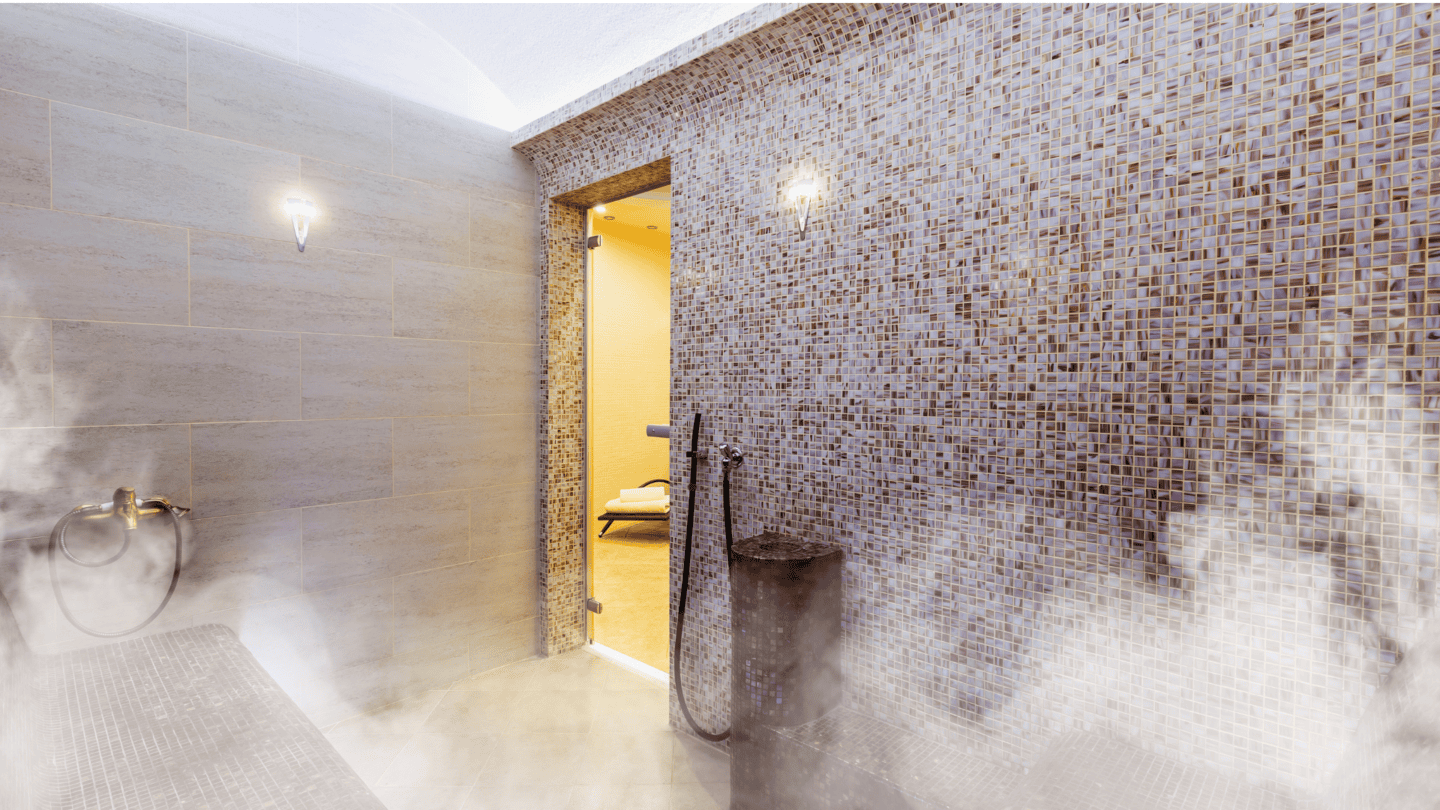
When everyday life becomes busy, finding meaningful ways to slow down can be difficult. A traditional Turkish hammam offers a different approach to relaxation—one that combines warmth, water, cleansing, exfoliation, and massage in a carefully structured bathing ritual. Rather than simply sitting in a steam room, guests move through a series of treatments designed to create a sense of physical refreshment and mental calm. For anyone exploring new ways to unwind, Old Hammam provides an example of how Turkish and Moroccan bathing traditions can be brought into a modern spa setting.
The appeal of the hammam goes beyond its historical character. Warm, humid surroundings, a body scrub, and a relaxing foam massage can turn an ordinary spa visit into a slower, more immersive experience. The traditional sequence commonly includes warming the body, exfoliating with a kese mitt, rinsing, and finishing with a foam massage. For people who spend much of their week dealing with work, commuting, screens, and constant responsibilities, this kind of intentional body relaxation can be a welcome change of pace.
What Is a Turkish Hammam?
A Turkish hammam is a traditional bathing experience associated with centuries of Turkish and Ottoman bathing culture. Unlike a conventional spa treatment that may focus on one massage or facial, the hammam is built around a sequence of warmth, cleansing, exfoliation, rinsing, and relaxation.
The environment is also part of the experience. Traditional hammams commonly use heated marble surfaces, water basins, steam, and specialized bathing techniques. Modern hammams may combine these traditions with contemporary spa facilities and services.
The result is an experience that engages several senses at once: warm air, flowing water, textured exfoliation, aromatic soap, and the quiet rhythm of a traditional bathing environment.
Why Warmth Plays Such an Important Role
Heat is central to the hammam experience. A warm and humid environment helps create a comfortable setting before the cleansing and exfoliation stages begin.
The purpose is not simply to make the guest sweat. Instead, warmth helps create the right conditions for the body to relax before the more active parts of the treatment.
Relaxing Before the Treatment
Many people carry tension in areas such as the shoulders, back, and legs without consciously noticing it. Spending time in a warm environment can encourage people to slow down and become more aware of their bodies.
This is particularly valuable for anyone whose normal routine involves long periods of sitting, standing, commuting, or physical work.
A Break From Everyday Distractions
A spa experience can also provide psychological space. Leaving phones, work messages, household responsibilities, and daily errands behind—even temporarily—can make relaxation feel more complete.
As Parlor Beauty has discussed in its coverage of spa treatments and stress, creating intentional time to slow down can become part of a practical wellness routine rather than an occasional indulgence.
The Kese Scrub: A Distinctive Part of the Hammam
One of the most recognizable elements of a Turkish hammam is the traditional kese exfoliation.
A kese is a textured mitt used by a trained attendant to exfoliate the body. The treatment is generally performed after the body has spent time warming up.
What Does Exfoliation Do?
The physical action of exfoliation helps remove dead skin cells from the surface of the skin. Afterward, the skin may feel noticeably smoother.
However, exfoliation should not be confused with a medical treatment or a permanent solution for skin concerns. It is primarily a cosmetic and bathing ritual.
The pressure should also remain comfortable. A traditional scrub can feel more vigorous than a typical body wash, but it should not be treated as a test of endurance.
From Scrub to Foam Massage
After exfoliation and rinsing, many Turkish hammam experiences move into a foam massage.
This is one of the most relaxing stages for many visitors. Traditional Turkish soap is worked into a rich foam, which is then used during a rhythmic massage.
The combination of warmth, water, soft foam, and massage creates a very different sensation from a conventional dry massage.
Rather than focusing exclusively on deep pressure, the experience is about combining cleansing and relaxation into one continuous ritual.
How a Traditional Hammam Differs From a Standard Spa
A standard spa may offer individual treatments such as facials, massages, manicures, or body wraps. A hammam is more structured around a bathing ritual.
Several elements distinguish the experience:
| Traditional Hammam | Conventional Spa Treatment |
| Warm, humid bathing environment | Treatment room or spa facility |
| Heated marble may be used. | Massage or treatment table |
| Kese body exfoliation | Scrub or exfoliation may be optional. |
| Foam massage | Massage may use oils or lotions. |
| Water-based cleansing | Treatment-focused approach |
| Traditional bathing heritage | Modern wellness approach |
Neither approach needs to replace the other. Someone may enjoy a hammam as one part of a broader wellness routine while using other spa treatments at different times.
Experiencing a Traditional Hammam in North London
For London residents who want to explore the tradition without traveling abroad, a local hammam can provide an accessible introduction to the experience.
A traditional hammam experience in North London can include the traditional sequence of warming, exfoliation, foam treatment, and relaxation. The Old Hammam & Spa describes its North London experience as incorporating heated marble, water basins, a kese scrub, and foam massage.
For first-time visitors, understanding the sequence beforehand can make the experience more comfortable. It is worth checking the venue’s current guidelines regarding swimwear, privacy, treatment schedules, and what to bring before attending.
How to Prepare for Your First Hammam Visit
A little preparation can make a relaxing experience even easier.
Arrive Without Rushing
Try to give yourself enough time to arrive, change, and settle in. Turning up immediately before an appointment can carry unnecessary stress into what is supposed to be a relaxing experience.
Stay Hydrated
Because hammams involve warmth and humidity, drinking water before and after the experience is a sensible part of preparation and recovery.
Avoid Heavy Meals Immediately Beforehand
A very heavy meal may not be comfortable in a warm environment. A light meal with enough time before the session can be a more comfortable choice.
Communicate With Your Therapist
If the scrub pressure feels too strong or you have a particular area that needs gentler treatment, communicate this clearly. A relaxing treatment should remain comfortable.
Who Might Enjoy a Turkish Hammam?
A hammam can appeal to a wide range of people.
It may be particularly attractive to those who:
- Enjoy traditional bathing rituals
- Want a different type of spa experience
- Prefer body treatments to purely cosmetic treatments
- Want dedicated time away from everyday distractions
- Enjoy exfoliation and the feeling of freshly cleansed skin
- Are looking for a relaxing wellness activity
It can also be an interesting experience for someone who has tried conventional massages and wants to explore a different approach to body care.
When to Be Cautious With Heat-Based Spa Experiences
Although a hammam can be relaxing for many healthy adults, heat and humidity are not suitable for everyone.
People with certain medical conditions, cardiovascular concerns, pregnancy-related considerations, or other health issues should ask a qualified healthcare professional whether a high-heat bathing environment is appropriate for them.
Anyone who feels dizzy, excessively uncomfortable, nauseated, or unwell during a heat-based treatment should leave the warm environment and seek appropriate assistance.
Wellness treatments should support comfort not push the body beyond its limits.
Extending the Relaxation After Your Hammam
The benefits of a relaxing experience do not have to end as soon as you leave the spa.
After a hammam, consider keeping the rest of the day relatively calm if your schedule allows.
A few simple habits can help maintain that relaxed feeling:
- Drink plenty of water.
- Avoid immediately rushing into stressful tasks.
- Wear comfortable clothing.
- Take a gentle walk if it feels enjoyable.
- Have a light meal.
- Give yourself time to rest.
Parlor Beauty’s wellness content similarly emphasizes the value of creating a little space after a spa treatment rather than immediately returning to a demanding schedule.
Making Body Relaxation Part of a Wellness Routine
One of the most useful ways to think about a Turkish hammam is not as a quick fix for stress, but as an intentional wellness ritual.
People often wait until they feel completely exhausted before making time for relaxation. A more sustainable approach is to schedule occasional periods of rest before exhaustion becomes overwhelming.
This does not have to mean visiting a hammam every week. Even occasional treatments can become part of a broader routine that includes adequate sleep, movement, hydration, healthy nutrition, and time away from screens.
Final Thoughts
A Turkish hammam combines several elements that modern spa-goers increasingly value: warmth, cleansing, exfoliation, massage, quiet, and time away from everyday distractions. Its appeal comes not only from the physical experience but also from the slower pace and traditional ritual surrounding it.
For someone seeking body relaxation, a hammam offers something different from a standard massage or steam room. The progression from warmth to kese exfoliation, rinsing, foam massage, and post-treatment relaxation creates a complete bathing experience rather than a single isolated treatment.
Whether you are discovering the tradition for the first time or already enjoy spa treatments, a Turkish hammam can be a memorable way to make relaxation a more deliberate part of your self-care routine. The key is to approach it with realistic expectations, listen to your body, choose a reputable venue, and allow yourself enough time to enjoy the experience rather than rushing through it.



Leave a Reply