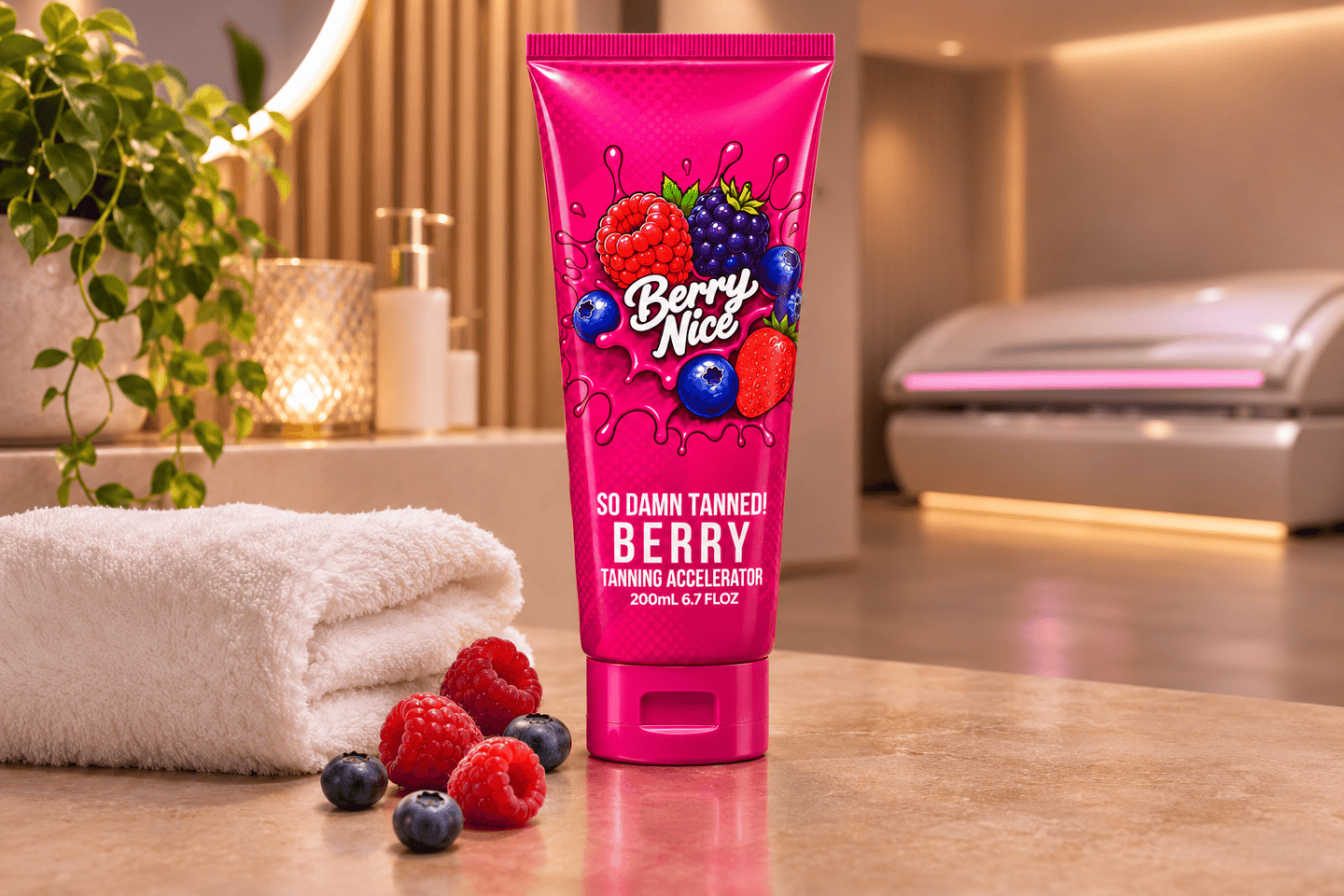
Choosing a tanning lotion is about more than picking an eye-catching bottle. Texture, fragrance and moisturising ingredients all influence how a formula feels on the skin and whether it becomes a product you enjoy using regularly.
For anyone comparing lotions, understanding those everyday benefits is a useful place to start. A good product description should explain what the formula offers, how to apply it and whether it contains cosmetic colour.
Moisturising ingredients and a softer skin feel
One of the practical benefits of a tanning lotion is the moisturising care its formula can provide. Depending on the ingredients, a lotion can help skin feel softer, smoother and more comfortable.
Different ingredients serve different purposes. Humectants, such as glycerin, attract water, while emollients help soften the skin. Some formulas also contain ingredients that help reduce moisture loss. The finished formulation determines how these ingredients work together, so it is worth looking beyond a single highlighted ingredient.
A lotion’s moisturising properties should be considered separately from its tanning claims. Skin feeling soft after application does not indicate protection from UV exposure.
A choice of textures
Texture can make a considerable difference to the experience of using a body product. Some people prefer a light lotion that spreads quickly, while others enjoy the feel of a richer cream.
A formula that distributes easily can make application more straightforward. It can also help you see where you have applied the product, particularly when working across larger areas such as the legs or arms.
Personal preference matters here. A rich texture is not automatically better than a lightweight one, and a quick-absorbing lotion will not suit everyone. Think about the finish you enjoy: light and barely noticeable, or more substantial and creamy.
Fragrance adds to the experience
For many people, fragrance is part of the appeal of a tanning lotion. Fruity, tropical and sweet scents can make a familiar body care step feel more enjoyable.
Coconut, berry and vanilla-inspired fragrances offer different experiences, so choosing a favourite is largely a matter of taste. A scent that seems appealing in a product description may smell different once applied, which makes a smaller size useful when one is available.
If you know your skin reacts to fragrance or particular ingredients, check the full ingredient list before choosing. Fragrance is an optional feature rather than a measure of product quality.
Understand whether a lotion adds colour
Not all tanning lotions work in the same way. Some contain ingredients that add an immediate cosmetic tint, while others contain self-tanning ingredients that develop colour over time. Products marketed as accelerators may not contain either.
That distinction matters when comparing bottles. A lotion without self-tanning ingredients should not be expected to behave like a gradual tan, and an instant bronzer may have different application instructions from an untinted moisturising formula.
Read the description for the exact product rather than making assumptions from words such as “bronze”, “intense” or “gold”. Clear information helps you choose a formula that matches your expectations.
Find a formula that fits your routine
The most useful lotion is often one that is easy to fit into your existing body care habits. Packaging, consistency and application instructions all contribute to that convenience.
A tube can be handy for keeping in a toiletry bag, while a larger bottle may suit someone who prefers to keep their products at home. Where available, sachets or smaller sizes can provide a way to try the texture and fragrance before committing to a full-sized product.
For readers exploring a selection of formats and fragrances, So Damn Tanned tanning lotions provides a starting point for comparing the brand’s range. Check individual product pages for current ingredients, sizes and directions.
Compare the whole formula
It is easy to focus on a fashionable ingredient, but the complete product deserves attention. An ingredient’s presence alone does not establish how noticeable its effects will be in the finished lotion.
Useful details include the full ingredient list, the intended purpose, application directions and any warnings. Claims about performance should relate to the actual formula rather than relying on general statements about an ingredient.
Customer reviews can also help with practical questions about scent, packaging and consistency. Treat individual reports of results as personal experiences rather than guarantees.
Keep skin care and UV protection separate
Tanning lotions can offer cosmetic benefits such as moisturisation, a smoother feel and an enjoyable application experience. Those benefits do not make UV tanning safe or replace sun protection.
Sunbeds expose skin to UV radiation, which increases skin cancer risk. A lotion should not be assumed to provide SPF protection unless it is specifically labelled and tested for that purpose. Anyone seeking a bronzed appearance without deliberate UV exposure can consider topical self-tanning products.
Choosing a lotion comes down to understanding the formula and deciding which qualities matter to you. Clear product information, a texture you enjoy and realistic expectations make it easier to find a product that earns its place in your routine.



Leave a Reply