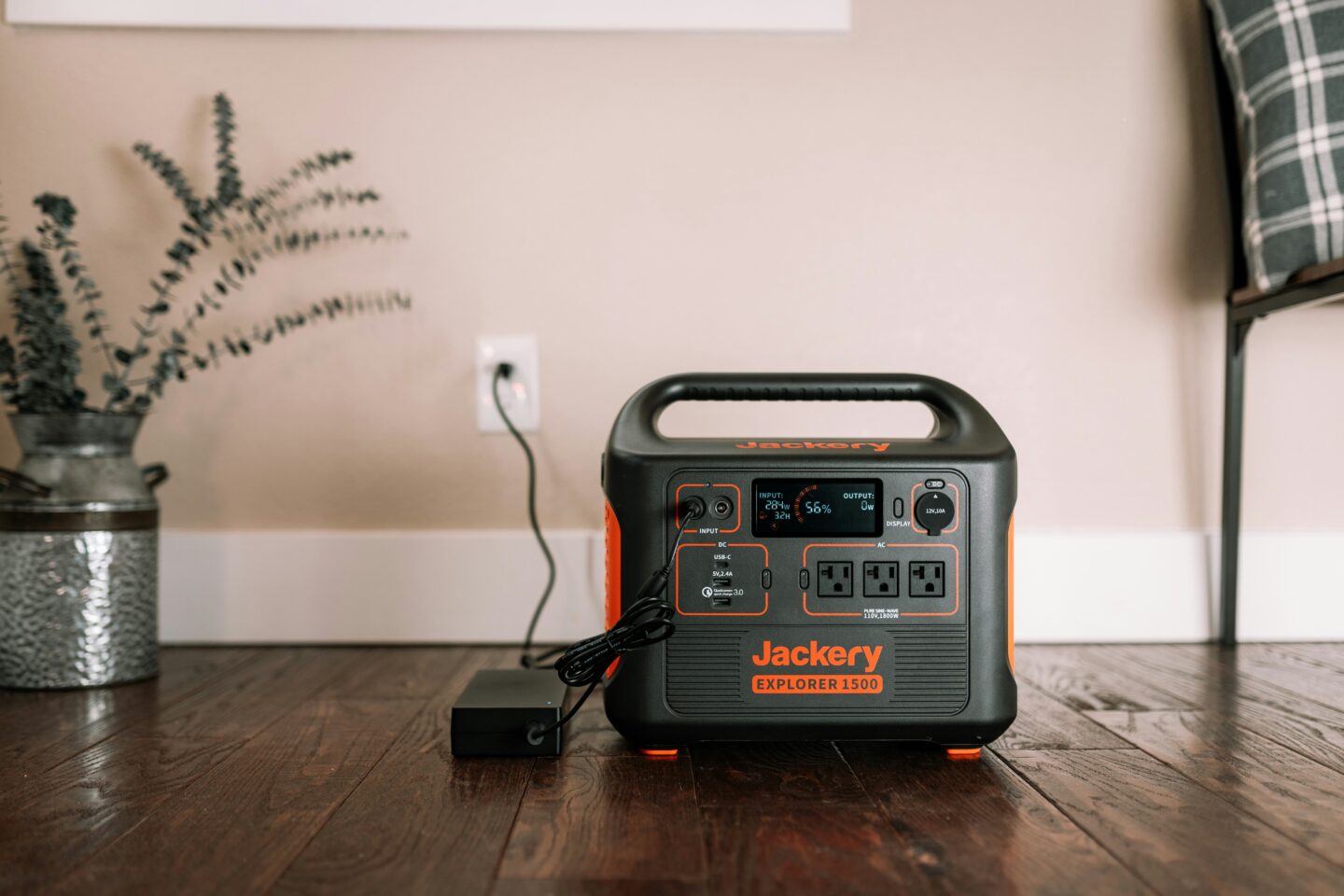
When it comes to choosing a power source for off-grid living, camping trips, or emergency backup, many people face the challenge of deciding between portable power stations and traditional generators. While both options can provide much-needed electricity, they each come with their own set of advantages and limitations, making the decision difficult.
This article will help you understand the key differences between portable power stations and traditional generators. By the end, you’ll be able to make an informed decision about which option is best suited to your needs, whether you’re looking for a quiet, eco-friendly solution or need the power and durability of a traditional generator.
What Are Portable Power Stations and Traditional Generators?
Portable Power Stations:
Portable power stations are compact, battery-powered devices that store and supply electricity. They can be charged using an AC outlet, solar panels, or even a car charger, making them ideal for off-grid living, camping, or emergency backup. They come in various sizes, providing a range of power capacities depending on your needs.
Traditional Generators:
Traditional generators are typically powered by gasoline, diesel, or propane and convert fuel into electrical power. These generators are often used for larger-scale applications like powering entire homes or heavy-duty equipment during power outages or outdoor events. While they can run for extended periods, they require regular fuel refills and maintenance.
Key Differences Between Portable Power Stations and Traditional Generators
| Feature | Portable Power Stations | Traditional Generators |
| Power Source | Battery-powered, rechargeable via solar or AC | Gasoline, diesel, or propane-powered |
| Portability | Lightweight, easy to carry | Bulky, requires more effort to move |
| Noise Levels | Quiet operation, ideal for quiet environments | Loud and disruptive |
| Fuel Efficiency | No fuel required, more energy-efficient | Requires continuous fuel refills |
- Portable Power Stations are great for smaller, short-term power needs and are quiet, eco-friendly, and portable.
- Traditional Generators provide higher power output but can be noisy, require regular refueling, and are heavier and less portable.
Pros and Cons of Portable Power Stations
Pros:
- Quiet Operation: Perfect for noise-sensitive environments like camping or home use.
- Eco-Friendly: No fumes or emissions, especially when paired with solar panels.
- Low Maintenance: Requires little upkeep compared to traditional generators.
- Portability: Lightweight and easy to transport, ideal for outdoor activities.
Cons:
- Limited Power Capacity: May not be suitable for powering larger appliances for long periods.
- Charging Time: Depending on the model and power source, charging can take time.
- Higher Initial Cost: Premium models may be more expensive upfront compared to basic generators.
Pros and Cons of Traditional Generators
Pros:
- High Power Output: Ideal for heavy-duty applications like powering entire homes or industrial tools.
- Longer Run Time: Can run for extended periods with continuous refueling.
- Lower Initial Cost: Basic models are often cheaper compared to portable power stations.
Cons:
- Noisy: Loud operation can be disruptive in quiet areas.
- Fuel Dependency: Requires regular refueling, and fuel storage can be a hassle.
- Emissions: Produces harmful fumes and environmental pollutants.
- Bulky and Less Portable: Harder to transport due to size and weight.
Comparing the Environmental Impact
Portable Power Stations:
Portable power stations are more eco-friendly compared to traditional generators. They produce no emissions, and when paired with solar panels, they offer a completely clean and renewable energy source. This makes them an excellent choice for those looking to reduce their carbon footprint.
Traditional Generators:
Traditional generators, on the other hand, rely on fossil fuels like gasoline, diesel, or propane. These generators produce harmful emissions, contributing to air pollution and climate change. The environmental impact of running a traditional generator can be significant, especially if used frequently or for extended periods.
Best Use Cases for Portable Power Stations
- Camping and RVing: Ideal for keeping small electronics, lights, and small appliances powered without disturbing the peaceful surroundings.
- Emergency Backup: Provides reliable power during short-term power outages for essential devices like phones, lights, and small medical equipment.
- Outdoor Events: Perfect for powering food trucks, portable sound systems, and other event equipment without the noise and fumes of a generator.
- Off-Grid Living: Works well for powering off-grid homes or cabins, especially when paired with solar charging options for sustainable energy use.
Best Use Cases for Traditional Generators
- Large-Scale Power Needs: Ideal for powering entire homes, heavy-duty equipment, or construction sites during power outages.
- Extended Power Supply: Perfect for situations where continuous power is required for long periods, and fuel is readily available.
- Industrial Use: Suitable for powering industrial machinery, air conditioning units, or large appliances that require high wattage.
- Remote Events: Useful for large outdoor events where high power output is necessary, and noise is less of a concern.
How Ampace Portable Power Stations Stack Up Against Traditional Generators
- Power and Efficiency: Ampace offers high-output models like the Andes 1500, which provide enough power for home essentials and outdoor equipment, while remaining efficient and eco-friendly.
- Portability: Unlike traditional generators, Ampace power stations are lightweight and easy to transport, making them perfect for camping or off-grid living.
- Noise and Emissions: Ampace units operate quietly and produce no emissions, while traditional generators are noisy and create harmful fumes.
- Solar Compatibility: Ampace power stations can be paired with solar panels for a clean, renewable energy source, which is a big advantage over traditional fuel-powered generators.
In comparison, Ampace portable power stations provide a modern, eco-friendly alternative to traditional generators, offering convenience, portability, and efficiency for smaller-scale needs.
Conclusion
Choosing between portable power stations and traditional generators ultimately depends on your specific needs. If you require a clean, eco-friendly, and portable solution for small to medium power needs, a portable power station like those offered by Ampace is the better choice. It’s ideal for camping, emergency backup, or off-grid living, with easy transport and minimal maintenance.
However, if you’re looking for a high-powered, long-lasting solution for large-scale needs, such as powering heavy-duty equipment or providing extended backup for a whole home, a traditional generator might be the better option. Each has its place, and understanding what you need will help guide your decision.
FAQs Section
- Which is better for camping: a portable power station or a traditional generator?
A portable power station is ideal for camping as it’s quiet, compact, and eco-friendly, making it perfect for outdoor use. - How long can a portable power station run compared to a traditional generator?
Portable power stations typically run for a few hours, depending on the size and devices being powered. Traditional generators can run for much longer, provided there is fuel. - Can I charge a portable power station using solar panels?
Yes, many portable power stations, including those from Ampace, can be charged using solar panels, offering a clean and renewable energy solution. - Are traditional generators more powerful than portable power stations?
Yes, traditional generators generally offer more power and are suited for heavy-duty applications like powering industrial equipment. - Are Ampace power stations worth the investment?
Yes, Ampace power stations offer great value with high capacity, solar compatibility, and eco-friendly operation, making them a great choice for off-grid living or backup power.



Leave a Reply