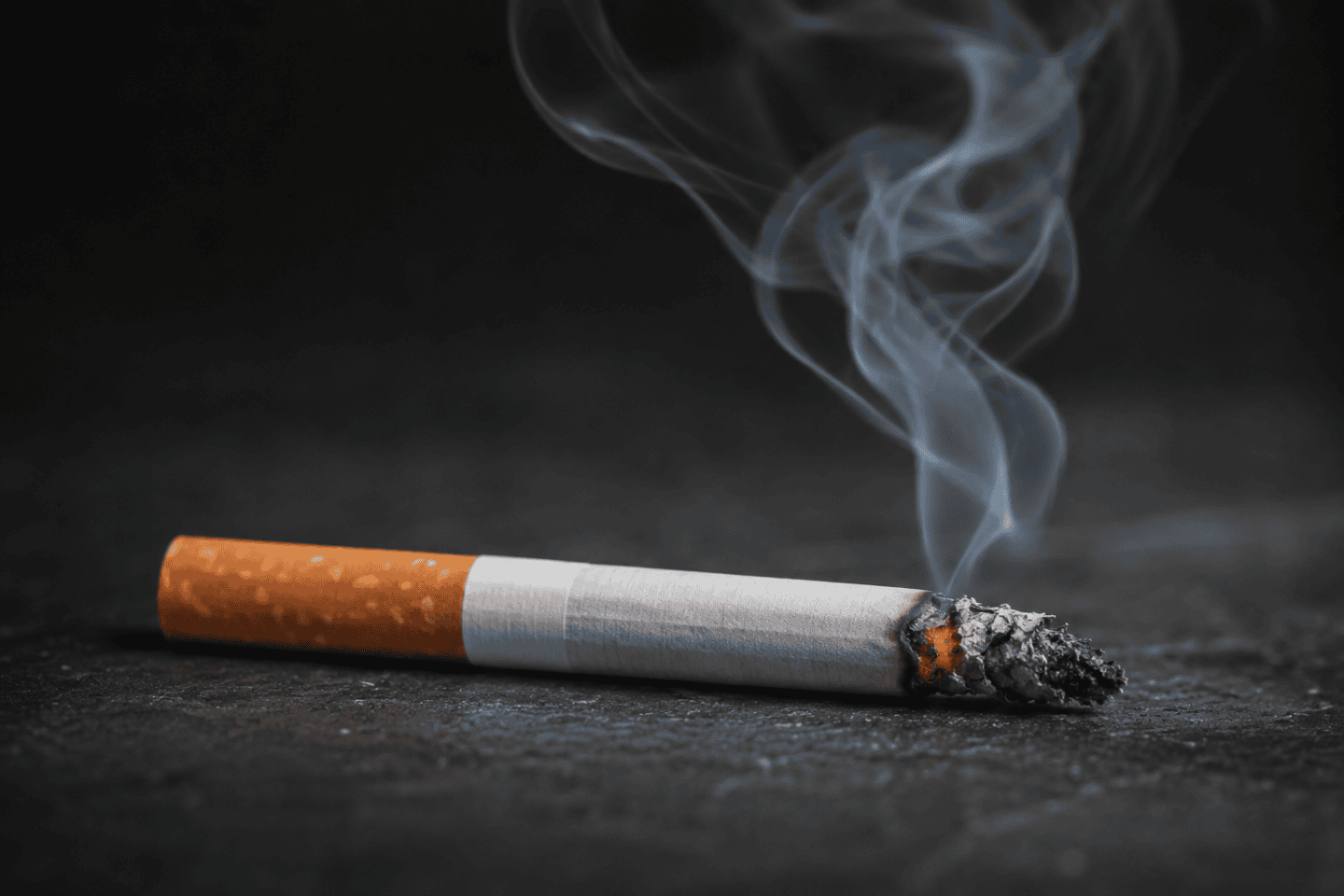
Quitting cigarettes changes more than a habit. It changes what the lungs and taste buds expect every time a hand reaches for something to hold. Vaping became the tool most smokers try first, since it copies that same motion without the tar and thousands of chemicals that come with burning tobacco.
But swapping one habit for another only works if the nicotine level matches what the body was getting from cigarettes. Getting the milligram count wrong is a common reason people end up back on cigarettes, so matching nicotine liquid strength to a smoking history is worth sorting out first.
How Nicotine Liquid Strength Lines Up With Smoking History
Cigarette smoke gets nicotine into the bloodstream fast, and e-liquid strength tries to recreate that same intake so cravings get answered without a puff feeling weak or harsh. Strength is measured in milligrams per millilitre, usually written as mg, and the number needed depends on how many cigarettes a day someone smoked and how deeply they inhaled.
A former twenty-a-day smoker and someone who had five on a heavy day are not the same case, and treating them the same is how quit attempts stall out early. The bands below give a starting point, and most people still adjust within a week or two.
Light Smokers, Under 10 a Day
Someone who smoked fewer than ten cigarettes daily, or without inhaling too deeply, usually does well starting around 3mg to 6mg. This range stops cravings without the harsh throat hit that puts new vapers off.
Moderate Smokers, 10 to 20 a Day
This is a common group among ex-smokers, and 6mg to 12mg usually matches the intake of a half-pack to a pack a day habit. Freebase nicotine liquid at this strength, paired with a higher-wattage device, usually covers cravings through the working day.
Heavy Smokers, 20 or More a Day
Someone smoking a pack or more, especially with deep, frequent drags, often needs 18mg to 20mg to feel the switch worked. Nic salts are the better match here, since they get nicotine into the bloodstream faster and smoother than freebase liquid at the same strength.
Freebase Nicotine Liquid Compared With Nic Salts
Freebase nicotine is an older type used widely since vaping started, and it works well at lower strengths but can feel harsh once the milligram count climbs past 12mg, which is why most brands cap freebase bottles there.
Nic salts change the chemical structure of the nicotine so it can be inhaled at higher strengths with a smoother feel, and this is the version most ex-smokers reach for once they need 18mg or 20mg.
A nic salt e-liquid 100ml bottle is not something found pre-mixed on a shelf, because salts are sold in small nic salt shots or short 10ml bottles, designed to be added into a 100ml shortfill of 0mg liquid. Once combined, the finished mix behaves like a nic salt juice 100ml bottle, even though the salt itself only ships in those smaller measures, and knowing this before buying saves a confused trip back to the counter.
Picking the Right Bottle Size for a Quit Attempt
Bottle size matters just as much as strength once someone settles into vaping, since running out mid-week is a common way to slip back to cigarettes. Buying in bulk keeps the cost down, and browsing liquid nicotine options in the 100ml size is how many ex-smokers stock up once they know which strength and flavour work for them.
A shortfill bottle holds 100ml of 0mg liquid with room for one or two 10ml nic salt shots, so the final mg strength depends on how many shots go in. Getting that maths wrong, too weak or too strong, is a common early mistake, so checking the shot ratio on the packaging before mixing avoids a wasted bottle.
Matching the Device to the Liquid
Strength and device work together, and the wrong pairing can undo good research on mg levels. Lower strengths, in the 3mg to 12mg range, generally suit sub-ohm devices that pull more liquid through with each puff, while higher mg nic salts suit the smaller, low-wattage pod systems most vape kits in that category come with.
NHS guidance on switching from smoking notes that using an e-cigarette often enough and at a strength that matches previous nicotine intake gives a smoker the best chance of quitting for good, and that the full benefit only comes once cigarettes stop completely. A device and strength that fully cover a smoker’s usual intake gives a quit attempt a fair try before any adjustments are made.
Getting the Milligrams Right Is What Makes the Switch Stick
Every ex-smoker moves through this differently, and a strength that felt right in week one sometimes needs a small adjustment once the body adjusts to not burning tobacco. Paying attention to small signals, a dry throat, a lingering craving, a bottle running out faster than expected, often says more than any chart could. Treating the number on a bottle as a starting point instead of a fixed answer is what turns a vape into a lasting swap for cigarettes.



Leave a Reply