
Let’s face it – dry skin is a pain. It’s uncomfortable, irritating, and in more extreme cases, it can severely impact your self-confidence. Whether you were born with too sensitive skin or you deal with seasonal flare-ups, you’ve probably trialled your fair share of moisturisers or serums to try and address the problem. But despite the prevalence of these man-made products, sometimes the best solutions have been around us since day one.
Plant extracts and other natural ingredients have been used for centuries to protect our skin against the elements. So if you’re looking for effective cures for dry and sensitive skin, it’s very likely that the natural world might be able to help. In this article, we list five plant-based ingredients that have been scientifically proven to hydrate and rejuvenate the skin.
First of All, Why Do We Get Dry Skin?
Weather – One of the biggest causes of dry skin is the climate. For many people, skin tends to be driest in the winter, and this is because cold temperatures and low levels of humidity draw moisture away from the skin.
Heat – Another factor behind dry skin is heat. Extreme warmth from man-made sources like wood-burning stoves, fireplaces, central heating eliminates moisture away from the air. This can tighten up your pores and make your skin much more vulnerable to dryness.
Harsh Ingredients – If you frequently use harsh chemicals like soap, perfume, hand sanitiser, or over-the-counter acne medication, this may be another reason why your skin is dry.
Underlying Skin Conditions – Finally, another reason you may encounter dry skin is if you suffer from underlying skin conditions like psoriasis, atopic dermatitis (eczema), and ichthyosis.
What Top Five Natural Ingredients Can I Use to Combat Dry Skin?
- Aloe Vera
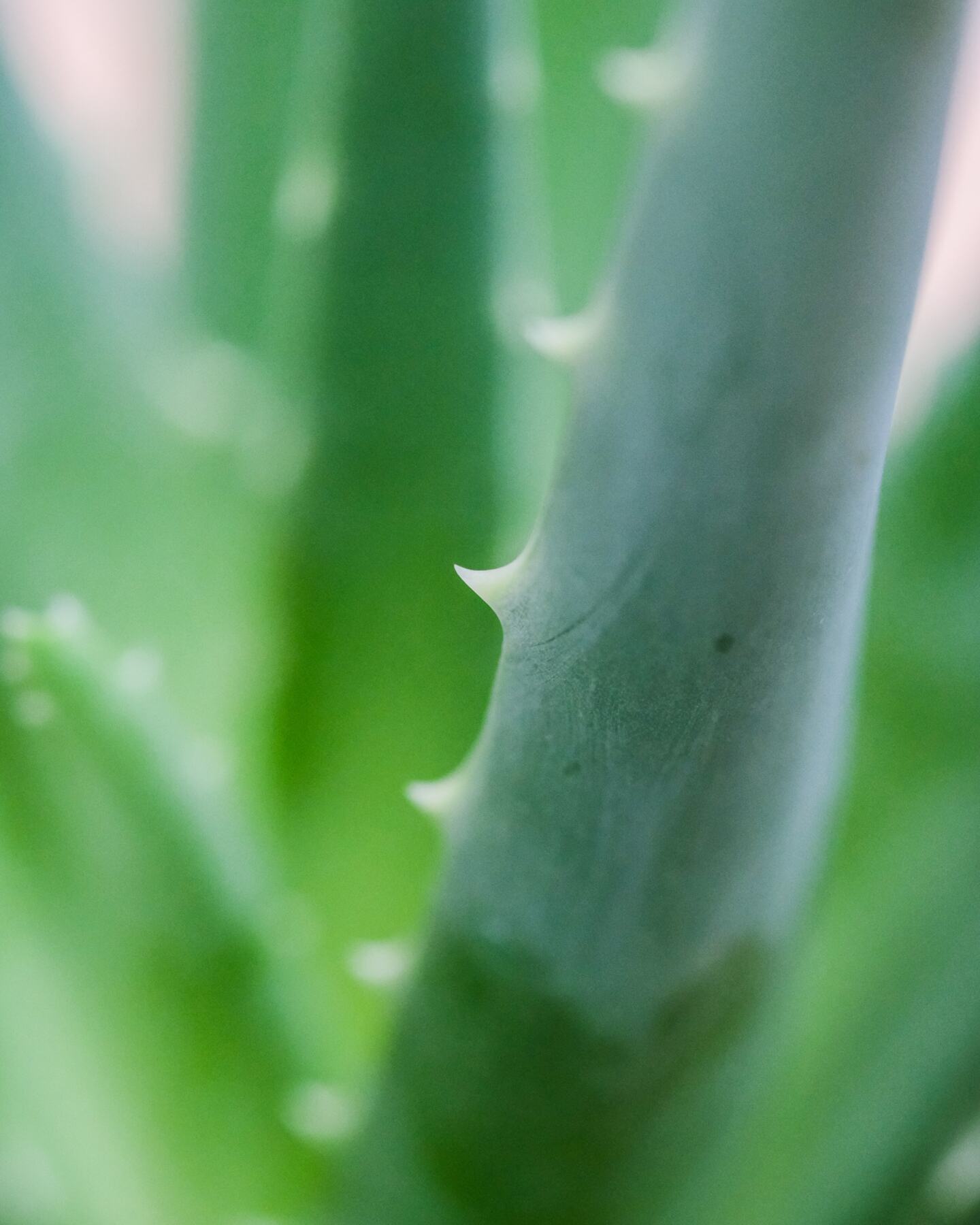
If you’ve ever spent a little too much time in the sun, you’re probably already wise to the soothing and moisturising properties of aloe vera. Dubbed by many as a “skincare saviour“, the succulent plant has been used in medicine for millennia—but in the modern-day, you’re most likely to see it in the form of a green, gooey gel. The plant-based ingredient is packed full of water and a range of different moisturising minerals, vitamins and nutrients. This is why it’s so effective at hydrating skin that’s in need of a little extra TLC (be that in the summer months or year-round).
How do I use it? Since this natural extract typically comes in the form of a gel, it’s pretty straightforward to apply. You just need to apply it directly onto the skin and then rub it in until absorbed.
- Ghee Butter
Another natural remedy that has serious potential for fighting dry skin is ghee. Ghee is a type of clarified butter that has been simmered and strained to remove all water. The oil-based product has a rich culinary and medicinal history, and in recent years it’s also gained a reputation for its nourishing, skin-friendly qualities. Ghee is bursting with vitamins A and E and fatty acids. All of these properties make the substance extremely effective at relieving dry and sensitive skin. And in addition to its moisturising effects, its nature as an antioxidant also helps skin combat visible signs of ageing.
How do I use it? Ghee can be used in the same way as a conventional moisturiser. After washing and drying your face, apply the substance directly onto the skin and rub it in until absorbed.
- Coconut Oil
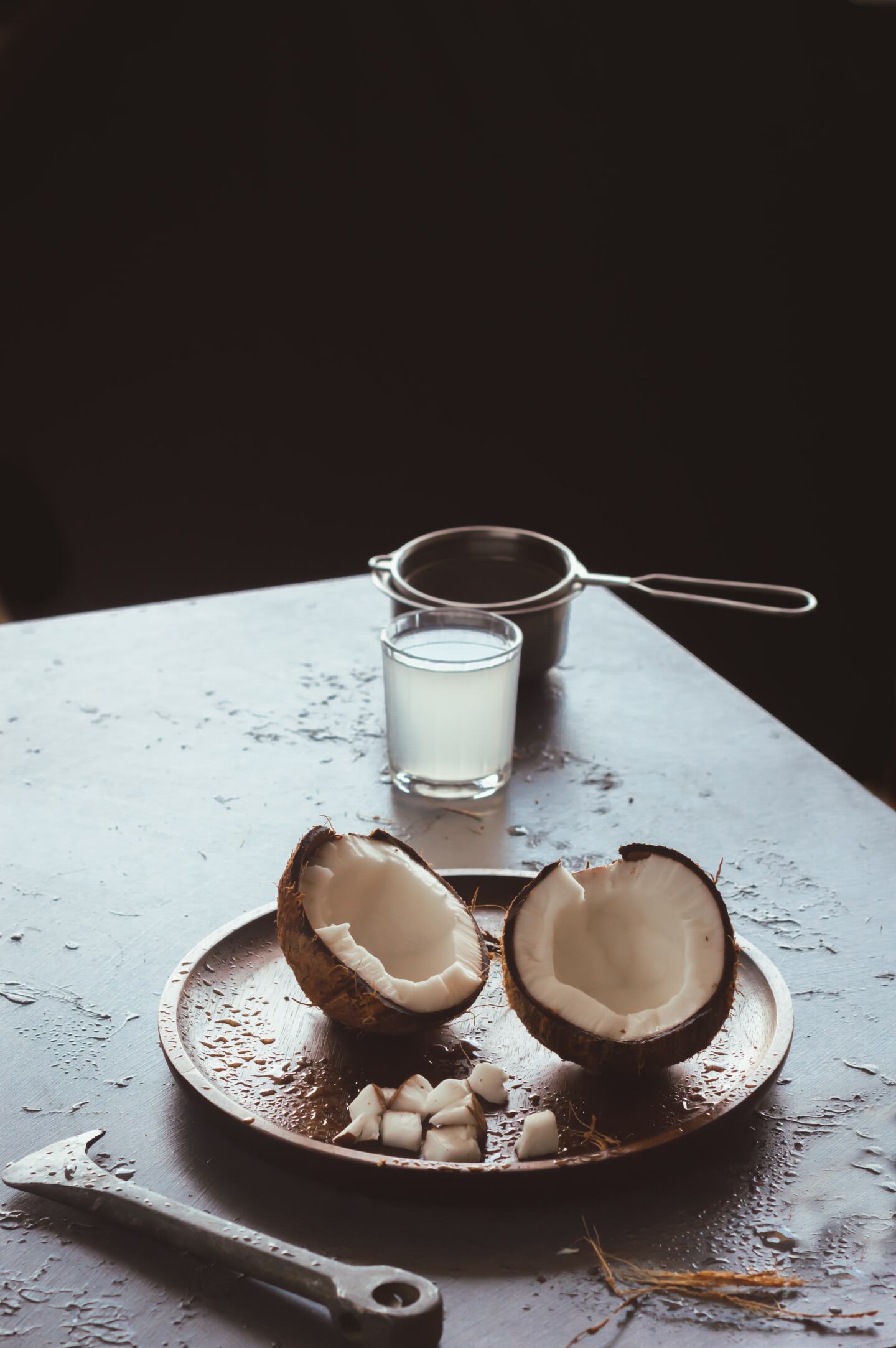
Similarly to ghee, coconut oil has been used to cook with for centuries. It’s a highly fatty substance that is extracted from the flesh of a coconut, and due to the natural oil it contains, it’s scientifically proven to reduce symptoms of dry and cracked skin. One reason why the substance is so effective at hydrating skin is that it acts as a sealant. By carrying out this function, the oil is able to trap water under the surface of the skin, helping to keep it moist. In addition to tending to regular dry skin, coconut oil has also been scientifically proven to help soothe the symptoms of inflammatory skin conditions like eczema.
How do I use it? Before you apply coconut oil to your skin, rub it in between your hands to liquefy it. Then, gently massage it into any dry areas of your body.
- CBD Oil
Despite its relatively recent entrance into the beauty and wellness worlds, the skin-friendly benefits of CBD oil have already been picked up by scientists and dermatologists alike. Similarly to honey, hemp extract is a humectant, which makes it extremely effective at keeping skin hydrated and moisturised. The herbal extract has also been recognised to balance out our skin’s natural oil production by regulating the function of our sebaceous glands. By balancing out this process, the cannabinoid protects dry skin by encouraging the production of natural oils while also preventing oily skin from becoming too greasy—giving you the best of both worlds!
How do I use it? CBD oil can be administered directly onto the skin or applied in the form of cannabinoid-infused topicals like CBD massage oil, creams, lotions and many others. These CBD topicals can include creams, lotions, serums or balms, and they often contain other hydrating ingredients that are great at combatting dry skin.
- Honey
While ‘moisturising’ may not be the first thing that springs to mind when you think of this viscous, sweet ingredient, honey is actually an extremely powerful humectant. Humectants are substances that preserve the natural moisture in your skin. Therefore, applying honey directly onto your skin is a very effective way to keep it hydrated and feeling soft and supple. In addition to this, because of its soothing and anti-inflammatory effects, the food substance has also been shown to aid in treating inflammatory skin conditions like eczema and psoriasis. So, if your dry skin results from one of these conditions, honey could work as a natural alternative to other man-made creams.
How do I use it? If you’re interested in using honey to soothe your dry skin, it’s recommended that you apply a tablespoon of honey onto clean, dry skin and leave it there for around 10 minutes. After this time has passed, gently massage it into your skin before washing it off with warm water.
No matter why you’re experiencing dryness, the natural remedies we’ve listed above may be able to help you achieve healthy and hydrated skin without making a trip to a pharmacist. However, if you find that it does not alleviate the symptoms of dry skin, it may be worth conferring with a GP or health specialist to see what other medical treatments may be available.



Leave a Reply