When the evenings are dark and the patio is wet, spending a morning in the garden is rarely tempting. Still, a little attention can stop outdoor space becoming difficult to use by the time spring arrives. The trick is to concentrate on the essentials and choose a few small tasks that make the garden feel welcoming without demanding the whole weekend.
Keep expectations realistic
A winter garden has its own character. Bare branches, seed heads and fallen leaves do not automatically mean neglect. You do not need to turn the outdoor space into a summer show garden in December. Focus on clean routes to the door, a usable seating area and any plants that need protection from frost. Other jobs can wait until the conditions are right.
Tackle leaves before they build up
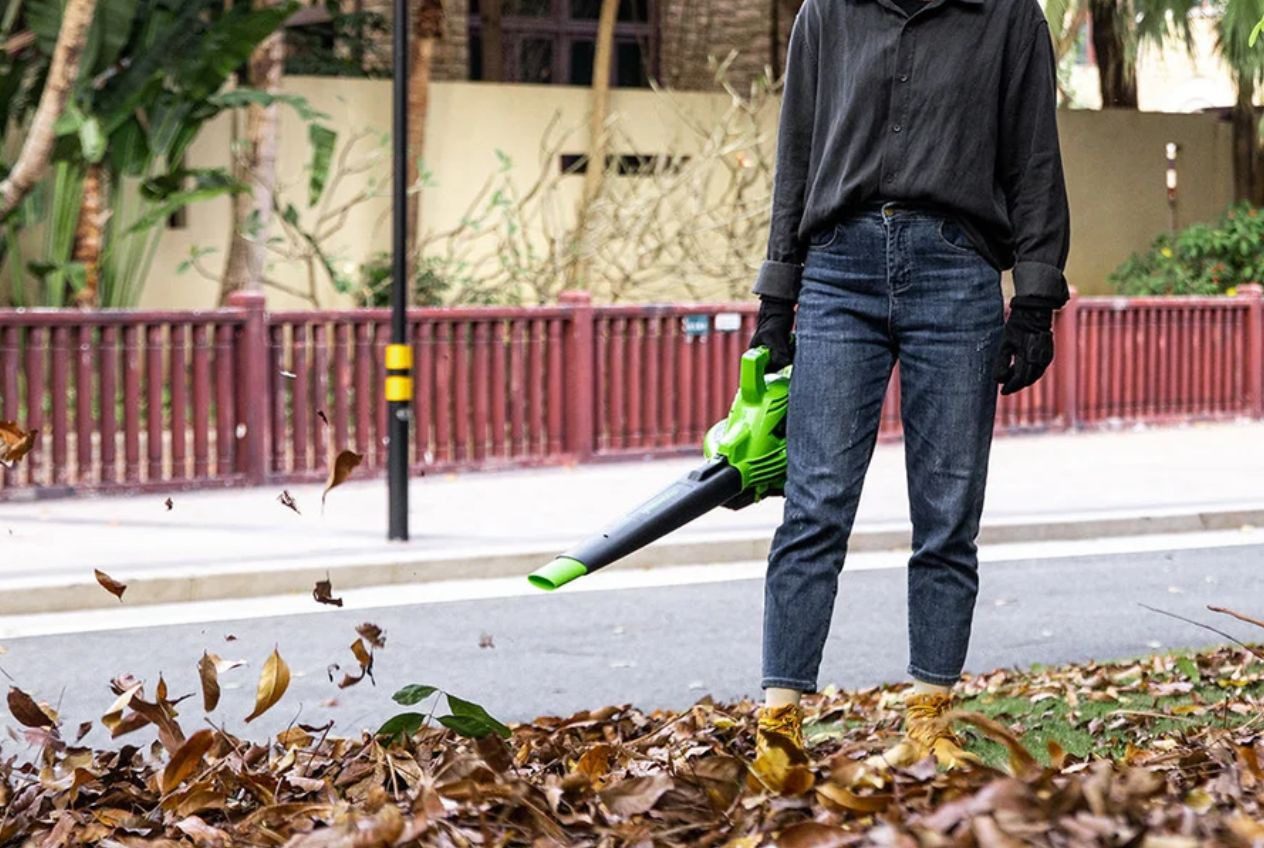
Wet leaves on steps and paving can become slippery, while a heavy layer on grass may trap moisture. Sweep the route to the back door first, followed by the patio and any drain covers. A stiff broom or rake is useful for small spaces. For larger areas of loose foliage, a cordless leaf blower may be a convenient option. The Greenworks leaf blower range offers different models to compare, but check weight, battery needs and storage space before buying. It is not necessary to use powered equipment for a task a broom can complete easily. Regular garden leaf clearance is one of the simplest habits for easy garden maintenance, particularly when fallen foliage gathers near drains or doorways.

Choose a manageable routine
Ten minutes on a reasonably dry day may be enough to clear a doorway and collect a few piles of leaves. The next time, focus on the seating area or planters. Breaking jobs into small pieces can help you keep the space pleasant without setting aside a whole Saturday. If surfaces are icy or footing is unsafe, postpone outdoor work rather than pushing through.
Look after pots and seasonal planting
Check whether water can escape from containers and raise suitable pots on feet where drainage is poor. Move tender plants to appropriate shelter or use protective fleece when temperatures are expected to fall. Healthy evergreens, winter heathers and other plants chosen for the site can provide colour through darker months. Avoid filling every corner with pots that will need constant attention.
Make the paths safer
Sweep moss and algae from steps and paths with methods suitable for the paving. Check for loose slabs, damaged decking and outdoor lights that no longer work. Slippery surfaces can be a real problem when people are taking bins out or coming home after dark. Arrange repairs for structural problems instead of relying on decorative fixes.
Leave wildlife-friendly areas alone
A small pile of leaves, selected seed heads or a sheltered log pile can be useful habitat. Keep these areas away from the main path and drainage, and check carefully before moving material in colder weather. A neat garden does not need to be completely stripped of natural shelter.
Add a few cosy details
Outdoor-rated lighting, a simple bench and a couple of well-chosen containers can make a garden enjoyable to look at from indoors. Secure lightweight decorations against strong wind and store soft furnishings when they are likely to get wet. If you use lighting, be considerate of neighbours and wildlife.
Look after equipment before storing it
Clean and dry tools, follow manufacturer instructions for maintenance and store batteries and chargers in suitable conditions. Do not use a damp shed for charging unless the equipment is specifically suitable for that environment. A little care now helps ensure the tools are ready when the next dry day comes along.
A winter garden without the pressure
Keeping outdoor space pleasant through winter is a matter of priorities. Clear the places people walk, protect vulnerable plants and leave some quieter areas for nature. Small, regular tasks will do far more than an ambitious plan that never gets started.



Leave a Reply