
Over the years, women have started openly talking much more about any personal symptoms and problems they have come across. Smear tests seem to have become less taboo, and women have been encouraged to seek medical advice over any forms of worries around their more intimate areas.
One in particular I wanted to touch on in this post today is Bacterial Vaginosis: a type of vaginal infection which is common in women. It tends to be caused by a change in pH of the vagina and resultant overgrowth of bad bacteria, which can cause upset with the natural balance of bacteria in the vagina. It’s more common for women in their reproductive years to suffer from Bacterial Vaginosis – also known as BV – which I’ll be referring to it as at various points in this post. The exact cause isn’t always completely understood, but there are certain triggers which are believed to increase the risk of BV presenting, which I’ll touch on in this post.
One of the most commonly reported symptoms of BV, aside from unusual discharge or odor, is vaginal itching, which can range from mild to quite uncomfortable and is often mistaken for other infections like yeast infections.
I’ll be honest, I found out I had BV around 4 years ago, and I had no idea that I had it. I knew something wasn’t quite right. I had noticed slight bleeding and it was picked up at one of my cervical smears, therefore I had spoken to a doctor about potential tests to see if the bleeding was normal. They ran a full set of tests to rule out any infections etc first, and I was diagnosed as having BV. This wasn’t associated with my bleeding by the way – that was due to a slight erosion in my cervix – but it bothers me that I didn’t do anything about the signs of BV earlier.
Research brought me to realise that BV symptoms can be easy to treat. There are lots of products out there which can offer treatment like a BV gel or pessary. The sooner BV is diagnosed, then hopefully, the sooner it can be treated too, which is another reason for wanting more women to be aware of the symptoms, and to not feel embarrassed when talking about symptoms or discussing potentially having BV. I found out more about the relief of symptoms when looking on the Canesbalance website, which suggested their Bacterial Vaginosis Vaginal Gel especially designed for symptom and discomfort relief could do the trick.
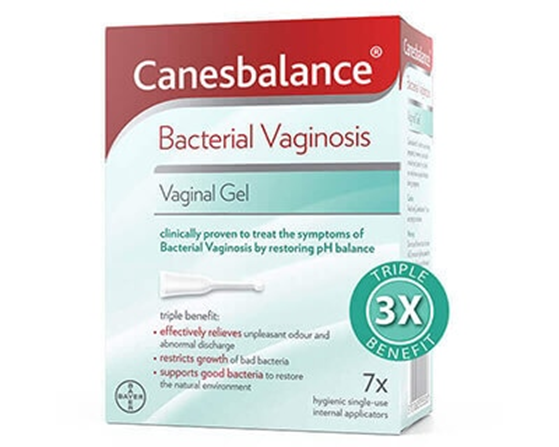
Canesbalance Bacterial Vaginosis Vaginal Gel is one of the products available to treat and help defeat symptoms of BV.
What Causes BV and How Would I Know If I Had It?
Well, some of the suspected factors can include getting your period, taking antibiotics, over-washing, using an IUD (intrauterine device) and having sex without a condom because they can affect the pH balance of your vagina.
Normally your vaginal pH is acidic which helps to balance the number of ‘good’ bacteria (lactobacillus) and ‘bad’ bacteria (anaerobes) that normally live in the vagina. If something causes the vagina to become less acidic, it allows the ‘bad’ bacteria to grow and outnumber the ‘good bacteria’. That’s when BV can come about and, as you can see, there are lots of possible risk factors so the exact cause is not always known.
People sometimes mistake BV for thrush but the symptoms are usually different. Typical symptoms of BV include:
- Thin, grey, white watery vaginal discharge
- A foul-smelling “fishy” vaginal odour
However, sometimes there are no symptoms present at all, or they are so minor they are easy for women to miss.
Talking About Bacterial Vaginosis and Being Aware
Would you find it embarrassing to discuss experience BV with family and friends? If you like, comment Yes or No in the comments, so I can see how many of you feel like you would be, or feel like you wouldn’t.
In all honesty I wasn’t very open about it when I first discovered I had it, but after the relief I felt when it cleared up, I soon changed my thought process. It’s so common and nothing to be ashamed about – we just need to be more aware of it and talk openly about it.
Another reason why BV has recently come to my mind and to share my thoughts on BV is because I have recently had my first baby. Obviously, when pregnant, you have to be much more aware of your vaginal health and overall health in general, and they do say that pregnancy has been known to cause an increase of ‘bad’ bacteria in your intimate area because of hormonal changes that can affect your vaginal pH. This could potentially lead to a vaginal infection such as BV. If you’re pregnant or planning on getting pregnant, and have BV symptoms, it’s worth finding out if you definitely have it or not. My Doctor discussed with me that BV can cause complications such as pelvic inflammatory disease, increased risk of miscarriage or even premature labour, although apparently these are rare.
If you are treating your symptoms during pregnancy, I found out from the Canesbalance website that Canesbalance can be used during pregnancy and during menstruation. However, you should see your doctor if you think you may have a vaginal infection during pregnancy.
Overall, having general awareness about BV is the first step when it comes to looking after your vaginal health. If any of the following occur to you, it’s worth discussing with your doctor, and starting to look at treatment for BV and its symptoms:
- You discover vaginal discharge that’s new and associated alongside an unusual intimate odour.
- The colour and consistency of your discharge is greyish-white and watery.
- You have had multiple sexual partners or have started intercourse with a recent new partner.
Sometimes, the signs and symptoms of a sexually transmitted infection are similar to those of BV but don’t worry, BV is not an STI.
How I’m Being More Aware of BV and Spreading Awareness Across Friends and Family
I have to say that since becoming pregnant last year and having my first baby, it made me remember why being aware of BV is so important. Your intimate health is important and shouldn’t be something just ‘left’. I remember the time I had it, and how I’d not been so ‘hot’ on recognising the symptoms and had let it slide. This probably meant that I’d had BV for a while, but I never wanted to mention to a friend that I’d noticed a slight odour and change in discharge. I mean, I’m best friends with my twin sister and we usually talk about everything, but I hadn’t even mentioned it to her. Was it because it has a stigma to it, if you think something isn’t quite right down there? For me, I think it was the embarrassment, and just hoping it would go away. Then I got distracted with the bleeding from my cervical erosion, which understandably needed medical guidance and something I found easier to talk about. I think this might be because it didn’t feel like it was something to be embarrassed about, which is how having BV had made me feel.
However, from finding out I had BV, and realising that it is easily treatable and a common concern for women particularly those of child-bearing age, I discovered how silly I had been. Since being diagnosed, I have mentioned it to my close friends and family, and so many of them had then said they’d had it a while back. Going forward, it’s nothing to be worried about when it comes to discussing. I made sure I mentioned it to the women closest to me, and to tell them not to push it away.

Also, with becoming a new Mum, it’s opened me up to lots of discussing groups and support groups for new mums. In these groups we talk about everything from intimate health to mental health, and I’ve mentioned BV various times here too because the awareness is even more important when pregnant. Your body goes through so much that it could be something easily missed or not seen as a priority, yet it’s key to be on top of this if anyone does happen to have BV while pregnant.
The information on BV below comes from Canesbalance, which has helped me put this article together.
Top Tips to Help Prevent a BV Infection:
Here’s a few tips that I gathered from Canesbalance to help prevent bacterial vaginosis:
- Avoid using strong washing detergent to clean your underwear
- Change your underwear immediately after swimming or exercising
- Don’t over-wash your vaginal area
- Avoid using perfumed products and deodorants around your vaginal area
- Change your tampons and pads often
Treating Symptoms
The first step is to take action if you feel you may have BV. If you can, feel open enough to discuss the symptoms with friends and family – which is encouraged as it’s totally normal! They might be able to offer moral support or even share their own experiences. If you prefer not to mention it to anyone, there are self-test kits available which can help you diagnose a possible vaginal infection but, if you’re at all unsure, you should speak to your Doctor. They’re so used to speaking to people about this sort of thing!
As mentioned earlier in this post, I found a lot of information via the Canesbalance website. They retail a Canesbalance BV vaginal gel, which is a 7-day symptom treatment that helps to relieve the symptoms of a BV infection. From reading about the product on the Canesbalance website, you may start to see a difference in just 3 days with your BV symptoms, it works by regulating the pH balance. This may effectively relieve any unpleasant odour and abnormal discharge, along with restricting the growth of bad bacteria and supporting good bacteria. You should always speak to your doctor about the best treatment for you.
Overall, it’s worth remembering that BV is one of the most common vaginal infections in women of child-bearing age. It isn’t an obscure, extremely rare infection, and it’s important to understand the symptoms so treatment can happen. Many women still aren’t aware of it, but it’s worth noting that once you are aware and if you discover the symptoms, it can be treated. One option is symptomatic treatment with an internal vaginal gel, which helps to regulate the pH balance of the vagina. You should always speak to your doctor if you are unsure of your symptoms or the condition. Your doctor will be able to guide you on the right treatment for you.
As most of my readers fall into the category of women of childbearing age, I felt this blog post was something worthy to share with BV being most common in this age and gender bracket. More so, I really hope this post has helped share some awareness – whether you’re reading this and have heard of BV or are totally new to it.
*This post is in conjunction with Canesbalance but all thoughts are my own. Canesbalance is a medical device and you should always read the instructions. Please always speak to your doctor if you are unsure of your symptoms and condition, they will be able to guide you on the best treatment for you.



Leave a Reply