
Talk about a confusing topic, Kratom and Europe’s laws. Every time you think you’ve figured it out, another country seems to have its own twist. In some places, Kratom is sold as casually as herbal tea; in others, it’s completely off the table.
That mix of freedom and restriction keeps people guessing: “So, is Kratom actually legal in Europe or not?” Before we get into that, it’s worth noting that conversations around green hulu kapuas kratom effects often pop up alongside legal discussions, mostly because rules differ not just by country, but sometimes by how each strain is viewed.
Current Legal Status of Kratom In Europe
Europe doesn’t play by one rule when it comes to Kratom. Each country seems to have its own take; some are cool with it, others, not so much. In short, there’s no single “European law” that covers Kratom.
In places like Germany and Poland, Kratom sits in a bit of a gray area. It’s not banned completely, but you won’t find it easily on every store shelf either. On the contrary, Denmark, Finland, and Sweden have strict regulations that make selling or having it illegal. Wherever you live in Europe, Kratom may be legal or not legal. You will have to check before buying. The same case applies if you live in the U.S, you will have to check the kratom laws in your state before buying.
Why Do Laws Concerning Differ Across Europe?
Here’s the thing about Europe: it loves variety. From food to language to how people handle Kratom, no two countries agree.
Most of it depends on how each country views these products. A few went the safe route and banned it early on, just to avoid any future problems. Others took a “wait and see” approach, keeping it available while researchers figure things out.
Culture plays a part, too. In places that are more open to natural supplements, Kratom doesn’t raise many eyebrows.
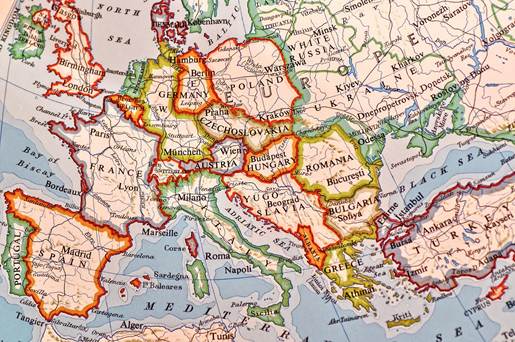
Source: Pixabay
Understanding Kratom’s Legal Status in Europe One by One
Let us take a look at the legality of Kratom in Europe step by step across the different countries in Europe:
Germany
Germany hasn’t banned Kratom, but it hasn’t made it completely legal either. The plant isn’t listed under the country’s narcotics law, which makes it legal to buy and own, mostly through online shops. Most sellers still label it as “not for human consumption” to stay out of legal trouble.
Netherlands
The Netherlands has kept Kratom legal. There are many shops in cities like Amsterdam or Rotterdam that sell it. It’s not listed under the Opium Act, which means it’s safe to buy for now. But Dutch lawmakers have hinted that a few updates to their substance policies could change that down the line.
Czech Republic
The Czech Republic has become a small Kratom hotspot in recent years. It’s legal, open, and even sold in convenience stores in some parts of Prague.
However, that freedom might not last. A draft law to regulate or restrict Kratom is on the table. If passed, it could bring tighter controls but not necessarily a full ban.
Poland
In Poland, Kratom’s story is similar, legal but quietly watched. You can buy it online or in head shops, but local authorities monitor labeling and marketing. Selling it as a “consumable” could get vendors fined.
France
France has also banned Kratom products in 2020. It’s considered a psychotropic substance. This makes no space for selling or keeping it.
Finland
Finland treats Kratom as a prescription-only medicine. Without medical authorization, importing or selling it is illegal. Even ordering small amounts online can lead to confiscation at customs.
Denmark
Denmark’s stance is firm: Kratom is off the table. It’s classified as a controlled substance, meaning no sale, no import, and no exceptions. The government made that call several years ago, and it hasn’t softened since.
Source: Pixabay
Sweden
Sweden has also banned Kratom. You cannot own, import, or sell it, as ican lead to criminal charges.
Belgium
Belgium banned Kratom in 2024. It is in the list of psychoactive substances. This ended what had been a small but steady online market.
Spain
Spain’s take is a little more relaxed. Kratom is legal to own and buy, but it can’t be sold as something for human consumption. Many shops list it for “research” or “aromatic purposes.” It’s a loophole, sure, but one that still keeps it on the shelves.
Austria
Austria does not restrict Kratom, but administrators favor vendors that sell it but not allow it. It’s legal, and you’ll find it with local or online sellers, but advertising it as a supplement can raise flags.
Hungary
In Hungary, Kratom is illgeal. It is grouped with other psychoactive substances.
Greece
Greece considers Kratom under psychotropic substances. This means no imports, no sales, and no legal loopholes.
Portugal
Portugal is famous for its more tolerant drug policies, but it hasn’t officially regulated Kratom. That means it’s legal to own and sell, but not approved for consumption. Few shops carry it, and those that do usually sell it quietly.
Ireland
Ireland’s Misuse of Drugs Act bans Kratom completely. You can’t sell it, import it, or even possess it legally.
Norway
Norway aligns closely with its neighbors. Kratom is classified as a controlled medicine. Import or sale without medical authorization is illegal, and packages are often intercepted at the border.
Switzerland
Switzerland is one of the few countries where Kratom remains legal and easily available. Local vendors sell it, though it can’t be marketed for ingestion. It’s more accepted here than in most of Europe, especially in health-oriented shops.
United Kingdom
As far as UK is concerned, it was added to the Psychoactive Substances Act in 2016.
Possessing a small amount isn’t a criminal act. In reality, the law hits sellers, not individuals. Most people don’t hear much about it anymore, but the ban quietly stays in place, rarely enforced unless someone’s trading it openly.
Final Words
There’s really no clear pattern here. Kratom laws in Europe vary. Some countries are holding off until more research comes out, while others have banned it early just to be cautious. If you’re in Europe and interested in Kratom, it’s smart to check your country’s rules before ordering anything. Regulations can change quickly, and in Europe, crossing a border doesn’t just change the language, it can change what’s legal too.



Leave a Reply