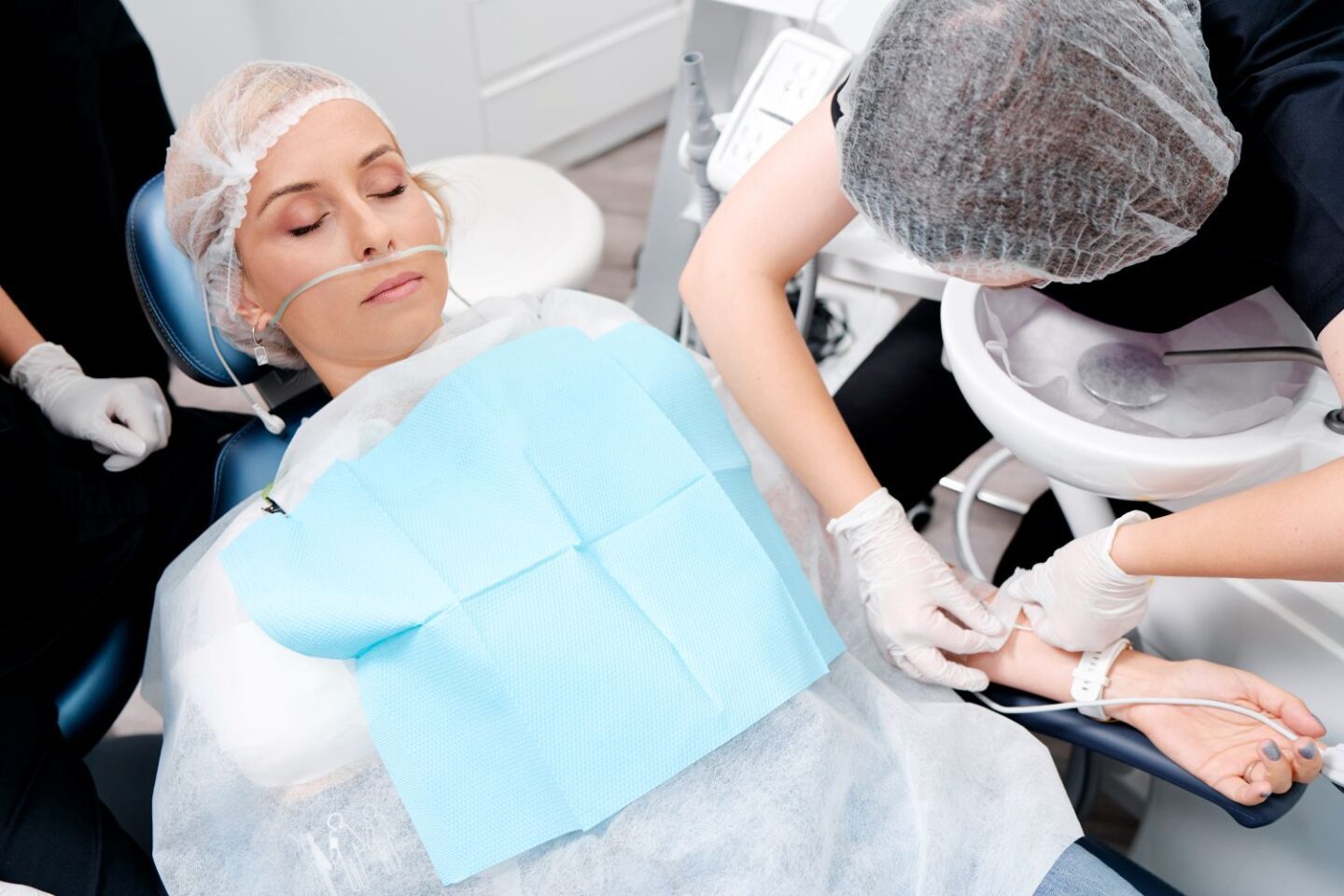
For many patients, the prospect of undergoing complex dental procedures can be a significant source of anxiety and apprehension. To address this, modern dentistry offers a powerful solution: intravenous (IV) sedation. Understanding the entire process can simplify the experience and alleviate any residual concerns a patient might have about this highly effective anxiety-management protocol.
Read on to learn about intravenous sedation and what to expect during this process at the dentist.
What is Intravenous Sedation?
This technique, typically referred to as “twilight sleep” or conscious sedation, can provide a state of deep relaxation and anxiety relief, allowing patients to receive necessary care calmly and comfortably. It’s a cornerstone of sleep dentistry, transforming the dental experience for countless individuals.
Intravenous sedation is particularly beneficial for lengthy or invasive surgeries, such as the placement of multiple intravenous sedation for dental implants, wisdom tooth extractions, or for patients with a strong gag reflex or dental phobia.
What to Expect During Intravenous Sedation
For many, dental visits evoke anxiety. Intravenous sedation offers a solution, providing a calm, relaxed experience for complex procedures. Here’s what to expect during the process:
The Pre-Sedation Consultation and Preparation
The journey toward IV sedation begins not in the operatory, but in a comprehensive consultation appointment. The dental team, led by a qualified dentist or anesthesiologist trained in sedation, will conduct a thorough medical history review during this visit. Patients must disclose all current medications, including over-the-counter drugs and supplements, as well as any known allergies, existing health conditions like heart disease, diabetes, or sleep apnea, and a history of substance use.
A physical evaluation is also standard. Based on this assessment, the provider will formulate a customized sedation plan. Pre-operative instructions are provided and must be followed meticulously. These almost always include fasting; patients are instructed to abstain from all food and solid foods for at least six to eight hours before their appointment and from clear liquids for two hours beforehand. This empty stomach is crucial to prevent the aspiration of stomach contents into the lungs during sedation.
The Day of the Procedure: Induction and Monitoring
Upon arrival at the dental office, the environment is designed to be as calming as possible. The patient sits in the dental chair, and the staff will attach the monitoring equipment. This includes a blood pressure cuff, a pulse oximeter to measure blood oxygen levels, and heart rate (EKG) monitors. These devices remain in place throughout the procedure, allowing the dental team to continuously monitor the patient’s vital signs and ensure their safety.
Furthermore, the sedation process itself starts with the anesthesiologist or dentist placing a tiny, thin catheter into a vein, typically on the back of the hand or the inside of the elbow. This is a quick pinch similar to a standard blood draw. Through this IV line, the sedative medication is administered. Some common drugs used include benzodiazepines like midazolam, which induce profound relaxation and amnesia.
The onset of action is also remarkably swift. Within minutes, patients begin to feel intensely drowsy and tranquil. They remain conscious and able to respond to verbal commands, such as “open wider,” but they’re in a deeply relaxed state, largely unaware of the passage of time and the specifics of the procedure.
The Dental Procedure Under Sedation
Once an adequate level of sedation is achieved, the dentist proceeds with the planned treatment. From the patient’s perspective, the complex work being performed, whether it’s a root canal, multiple extractions, or bone grafting, is happening without any associated stress or discomfort. The sedation itself has no analgesic effect, so the dentist will still administer local anesthesia to numb the treatment area. However, because the patient is so relaxed, the administration of these numbing injections is typically far less noticeable and anxiety-provoking.
The dental team also works efficiently around the sedated patient, monitored every second by a trained professional dedicated solely to tracking their vital signs and level of consciousness. The patient’s airway is protected, and their comfort is paramount. Communication is maintained throughout as the patient is in a state of conscious sedation. This means they can be roused if necessary but typically have little to no memory of the event afterward, a phenomenon known as anterograde amnesia.
Recovery and Post-Operative Care
As the dental work concludes, the administration of sedative drugs is stopped. The patient begins a gradual awakening process, although they will remain groggy and sleepy for some time. They’re moved to a quiet, comfortable recovery area where they can rest under continued supervision. The duration of this recovery period varies by individual and the length of the sedation, but it typically lasts between thirty minutes to an hour.
Due to the potent amnesic effects of the medication, patients may have little recollection of leaving the operatory or the initial parts of their recovery. For several hours, it’s normal to feel drowsy, uncoordinated, or slightly disoriented. This is precisely why a pre-arranged escort is non-negotiable as driving, operating machinery, or making important decisions is strictly prohibited for the remainder of the day. The dental team will also provide detailed post-operative instructions regarding pain management, wound care, diet, and medication schedules to help patients restore their beautiful smiles quickly.
Final Thoughts
Intravenous sedation has fundamentally transformed the dental experience, effectively eliminating barriers of fear and anxiety that prevent many from seeking essential care. It represents the pinnacle of patient-centered dentistry, prioritizing comfort and well-being throughout complex procedures.
By keeping the information mentioned above in mind, patients can confidently approach necessary treatments, knowing that their journey to optimal oral health will be peaceful, safe, and free of distress.



Leave a Reply