Buying a wig can be surprisingly complicated. The choice is not simply between “natural” and “fake” looking hair: modern synthetic fibres can be convincing, while a human hair wig may still look disappointing if the fit, colour or hairline is wrong. The best option depends on your budget, how often you plan to wear it and how much time you want to spend styling it.
If you are choosing your first wig, start with the basics instead of chasing the longest length or the most dramatic density. Understanding what each material can—and cannot—offer makes it easier to find a style you will actually enjoy wearing.
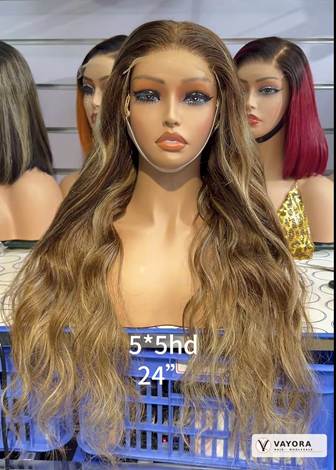
A wavy human hair wig shown on a mannequin. Original product photograph supplied by VAYORA Hair.
What makes human hair and synthetic wigs different?
Human hair wigs are made from human hair and can offer familiar movement and styling behaviour, depending on the hair’s processing and condition. Synthetic wigs are made from manufactured fibres engineered to hold a particular texture or style. Neither category is automatically better: there are excellent and poor-quality examples of both, and the way the wig is constructed makes a significant difference.
A synthetic bob that keeps its shape after washing may be perfect for someone who wants consistency with very little styling. Someone who enjoys changing from straight to soft waves may prefer the versatility of a suitable human hair wig. Think about the finished look you want on an ordinary Tuesday morning, not only how the product appears in a professionally lit photograph.
Natural appearance is about more than the fibre
Human hair often has the light reflection and movement people recognise from their own hair, but synthetic fibre technology has improved considerably. The decisive details can be the shape of the hairline, the amount of hair around the face, the parting and the way the cap sits. An overly dense human hair wig may look less natural than a well-fitted synthetic style with thoughtful construction.
Look at the wig from several angles, including the top and temples. Ask for close-ups in ordinary lighting and a short video showing the hair moving. Photographs should also show the actual colour at the roots and ends. Words such as “undetectable” and “invisible” are subjective; what matters is how the wig looks against the intended wearer’s skin tone, hairstyle and fit.
Can you use straighteners and curling tools?
Many human hair wigs can be restyled with appropriate heat tools, but that does not make them damage-proof. Bleached, coloured or heavily processed hair may need extra care, and repeated high heat can dry out or weaken it. Always follow the manufacturer’s instructions, use a suitable heat protectant where recommended and begin with the lowest effective temperature.
Traditional synthetic wigs generally should not be exposed to hot styling tools. Some fibres are sold as heat-friendly, but their permitted temperatures and techniques vary. Never assume a synthetic wig is safe to straighten simply because it looks like human hair. If you enjoy one consistent hairstyle, the fact that synthetic fibres are designed to retain their original shape may actually be an advantage.

Consider the cap, hairline and lace
A wig should feel secure and comfortable, not simply look good from the front. Check the cap size, adjustable elements, fastening options and the space available for your natural hair underneath. Lace-front constructions can create a more flexible-looking front hairline, while different closure and lace arrangements affect parting options and the area that needs attention during installation.
Lace labels are not a substitute for a close inspection. A useful guide to wig lace sizes and materials from VAYORA Hair explains how lace area, knot appearance and hairline design influence the result. If shopping online, ask for a photograph of the inside cap as well as the finished outside. Fit, ventilation and overall weight may matter more to daily comfort than a headline feature.
Which type is easier to maintain?
Synthetic wigs usually require less day-to-day restyling because their set shape tends to return after suitable washing and drying. However, friction at the nape, against clothing or from repeated brushing can affect the fibres over time. Use products and detangling methods designed for the specific wig. Some synthetic styles are more sensitive to steam or heat than others.
Human hair wigs generally ask for more hands-on maintenance, rather like growing hair that is no longer receiving natural oils from the scalp. Gentle washing, conditioning, careful detangling and occasional restyling can help keep the fibres looking their best. Avoid aggressive brushing when wet, and check the maker’s directions before using oils or leave-in products near the lace and knots.
How long should a wig last?
There is no honest single lifespan that applies to every human hair or synthetic wig. Wear frequency, fibre quality, length, colour processing, construction, friction, cleansing routine and storage all affect how the product changes with time. A wig used for special occasions may remain attractive for longer than one worn throughout a busy working week, regardless of the material.
Be cautious of promises that a wig will last a fixed number of years with no conditions attached. Instead, ask about realistic maintenance, whether the style is suitable for frequent wear and what can be repaired or refreshed. Replacement costs may include more than the original price: professional fitting, styling, cleaning and accessories can all be part of the decision.
Think about value rather than the sticker price
Synthetic wigs often provide an accessible entry point for someone testing a new colour or cut. They can be particularly convenient when you want to unpack a style and wear it with little alteration. Human hair wigs usually require a larger initial budget, especially for complex lace construction, long lengths or detailed colour work. That extra cost should come with clear information about what is actually included.
Compare the complete product specification, not just promotional discounts. Check length, texture, cap size, lace type, density, whether the hair is coloured and what adjustments may be needed. A cheaper wig that fits comfortably and meets your needs can represent better value than a more expensive product with features you will never use.
Match the wig to your everyday routine
For occasional wear, a well-made synthetic wig in a pre-styled shape can be practical. For someone who changes their hair frequently, a human hair option may offer more room for styling, subject to the product’s condition and care limits. If you wear wigs regularly, give particular attention to weight, secure fit, ease of removal and how much maintenance you can realistically manage.
Try to choose the colour and silhouette before becoming attached to a particular construction label. A shoulder-length style with manageable density may be easier for a beginner than an extra-long, very full wig. If you are unsure, consult a reputable wig specialist or stylist who can discuss cap fit, positioning and styling choices without pressuring you towards the highest-priced option.
Five questions worth asking before checkout
Ask what the wig fibres are made from and whether any processing has been used; request close-up photos of the lace and the inside cap; confirm the cap measurements, length and fullness; check which styling and washing methods are permitted; and read the returns or hygiene policy before opening or altering the product. These answers help you compare products much more fairly than brand slogans.
Ultimately, the best wig is the one you feel comfortable putting on and caring for. Human hair offers one set of possibilities; synthetic fibre offers another. Pay attention to honest specifications, the quality of the construction and how well the finished style fits your routine, and you can make a choice based on what matters to you.



Leave a Reply