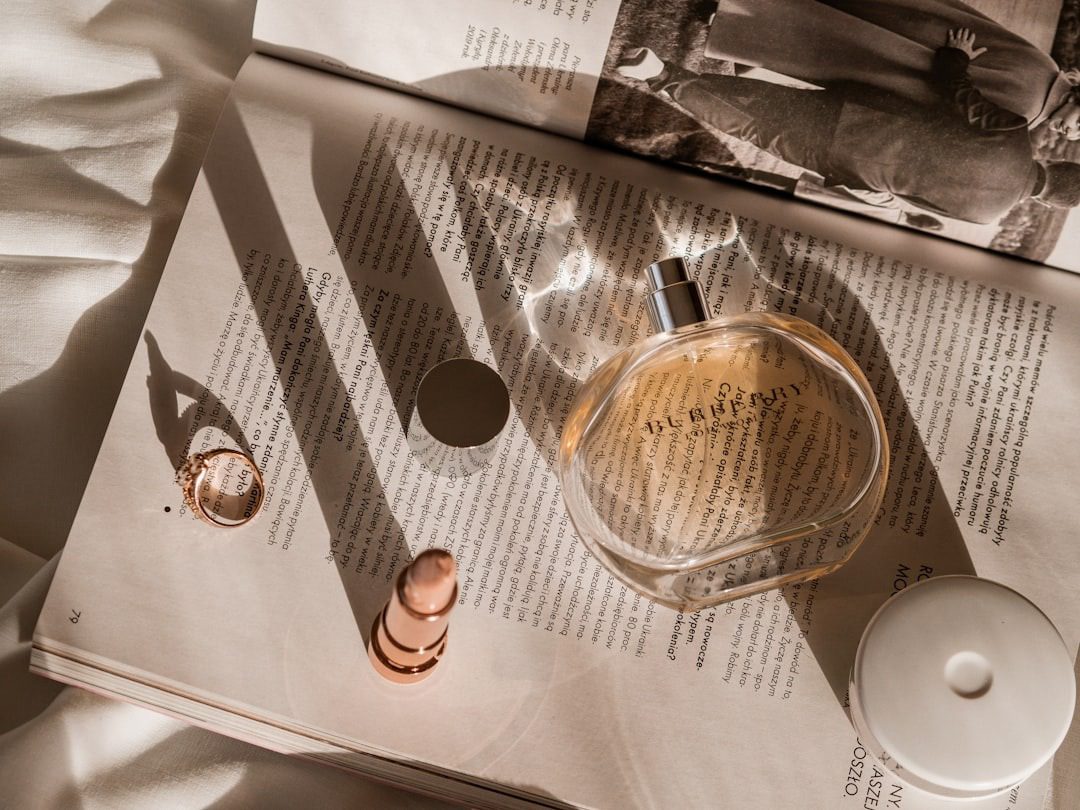
Photo by Voska Studio on Unsplash
Choosing a fragrance is only the beginning of a longer relationship with scent. Understanding how to make a fragrance last, layer with intention, and respond to your own skin chemistry transforms the experience entirely — and women’s fragrance samples provide the ideal way to experiment across different formulas before settling on the ones that truly work for you.
Why Fragrance Performs Differently on Different Skin Types
The same fragrance can produce substantially different results on two different skin types. Dry skin absorbs fragrance molecules more readily than well-moisturised skin, which means fragrance tends to fade faster on drier skin and project less. Oilier skin types retain fragrance compounds longer and can project a scent with more intensity from a single application. Skin pH, diet, hormonal variation, and the products used alongside fragrance all influence how a composition develops and how long it lasts. Understanding these variables does not require technical knowledge — simply wearing a fragrance across a full day, on your own skin, in your own context, reveals all of this naturally over time.
Where to Apply Perfume for Maximum Longevity
Application location has a significant effect on how long a fragrance lasts and how it projects into the surrounding air. Pulse points — the wrists, inner elbow, the sides of the neck, behind the knees — produce more heat than other areas of skin, which drives the continuous evaporation of fragrance molecules that creates lasting presence. Applying to the hair and to clothing can extend longevity considerably, as fabric retains fragrance compounds more persistently than skin. However, some compositions can stain delicate fabrics or behave differently on textiles than on skin. Sampling allows experimentation with application technique without the risk of using a precious full bottle as the test subject.
The Art of Fragrance Layering
Layering two or more fragrances to create a unique personal composition has become one of the most interesting developments in everyday fragrance culture. The technique works best when the fragrances share complementary base notes — a common woody, musky, or amber foundation allows different top and heart notes to combine without clashing. A light floral worn over a deeper musk creates a more complex, personal result than either fragrance alone. A citrus fragrance applied before a warmer oriental can extend longevity while adding freshness to the opening. Experimenting with layering is most practical when working from a collection of samples, where the cost of experimentation is low and the range of available combinations is high.
How Moisturisation Affects Fragrance Performance
Applying an unscented moisturiser to skin before spraying fragrance creates a barrier that slows the evaporation of fragrance molecules, extending longevity noticeably on dry skin types. This simple technique is one of the most effective ways to improve fragrance performance without changing anything about the fragrance itself. Applying fragrance to well-moisturised skin consistently produces better results in terms of both longevity and projection than applying to dry skin. Using a scented body lotion that shares a fragrance family with the perfume being worn creates an additional layering effect that adds depth and extends the overall scent experience throughout the day.
Building a Fragrance Routine for Different Times of Day
Different times of day call for different fragrance intensities and profiles. A morning application for professional environments benefits from something clean, relatively contained, and appropriate for shared spaces — heavier compositions can become intrusive in office environments, particularly where colleagues are working nearby. An evening fragrance can be richer, more assertive, and more personal in character. Some wearers find a midday reapplication of a lighter fragrance useful for maintaining freshness through a long day. Building this kind of time-of-day awareness into a fragrance routine requires working with a range of compositions, which is exactly what a sampling collection makes accessible.
When to Switch Fragrances and Why Variety Matters
Prolonged use of a single fragrance every day can lead to olfactory adaptation — the nose becomes so accustomed to the composition that it ceases to register it consciously. This means the wearer loses the pleasure of the fragrance while others around them may still perceive it fully. Rotating through a small collection of fragrances prevents this adaptation and keeps the sensory experience fresh and engaging. It also allows the nose to develop more broadly over time, building familiarity with a wider range of materials and families. A sampling collection is the most practical way to build that rotation without committing to multiple full bottles simultaneously.



Leave a Reply