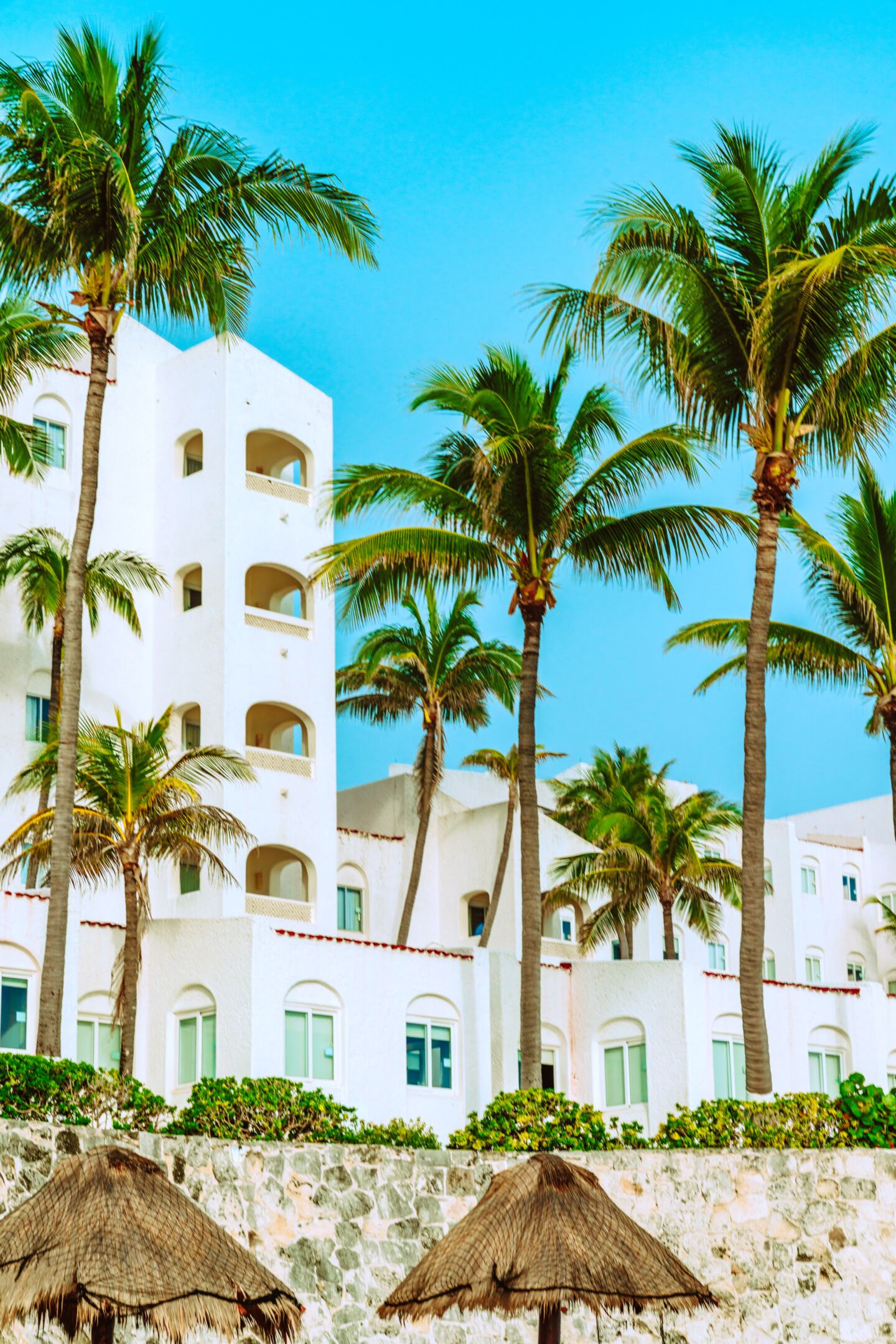
Owning a second property brings great benefits, but insuring it isn’t always simple. Holiday homes face higher risks because they’re often left empty or used differently from main residences.
Without the right preparation, you could find your policy invalid when you need it most. Taking the right steps now ensures your property is properly protected. Read on to know what you need to do to insure safely.
Provide An Accurate Rebuild Value
The starting point for safe insurance is making sure the rebuild cost of your property is accurate. This isn’t the same as the market value, but what it would cost to rebuild your home from scratch if it were destroyed.
Second homes often fall into the non-standard category, whether due to their construction, location, or how they’re used. Arranging an accurate rebuild cost through a professional survey helps ensure you’re properly insured and not left at risk of underinsurance.
Be Clear About Property Use
Insurance must reflect how the property is actually used. Is it purely for family use? Do you rent it out to paying guests? Is it empty for long stretches? Being clear about this ensures your cover matches real risks.
For example, if you let it out, liability cover is vital in case a guest is injured. This is where specialist insurance for homes becomes essential, as it’s built for non-standard situations that standard policies often exclude.
Protect Against Long Periods Of Vacancy
Most holiday homes aren’t occupied year-round, which increases risks like burglary, damp, and burst pipes. Many insurers won’t pay claims if the property is empty for over 30 days unless you’ve declared it.
To insure safely, make sure your provider is aware of likely vacancy periods. Some policies also require regular inspections or that heating is left on low during winter, so meeting these conditions helps prevent disputes if you ever need to claim.
Secure The Right Level Of Contents Cover
Even if you don’t keep many valuables in your second property, contents cover still matters. Furniture, appliances, and fittings can quickly add up if they need replacing after theft or damage.
If you provide a fully furnished holiday let, contents cover is even more important. Review your inventory carefully and update your insurer if you make changes, so that cover always matches what’s in the home.
Choose A Specialist Insurer
Proper insurance isn’t just about the property, but also about who you insure with. Standard providers may not understand the risks linked to second homes. Specialist insurers, on the other hand, design policies with these challenges in mind. They’ll explain requirements clearly and make sure that the cover matches the way your property is built and used.
Final Word
Insuring a holiday home or second property safely means being proactive. Start with accurate valuations, be upfront about usage, manage vacancy risks, and keep security tight. With the right specialist cover in place, you’ll know your investment is protected whatever happens.



Leave a Reply