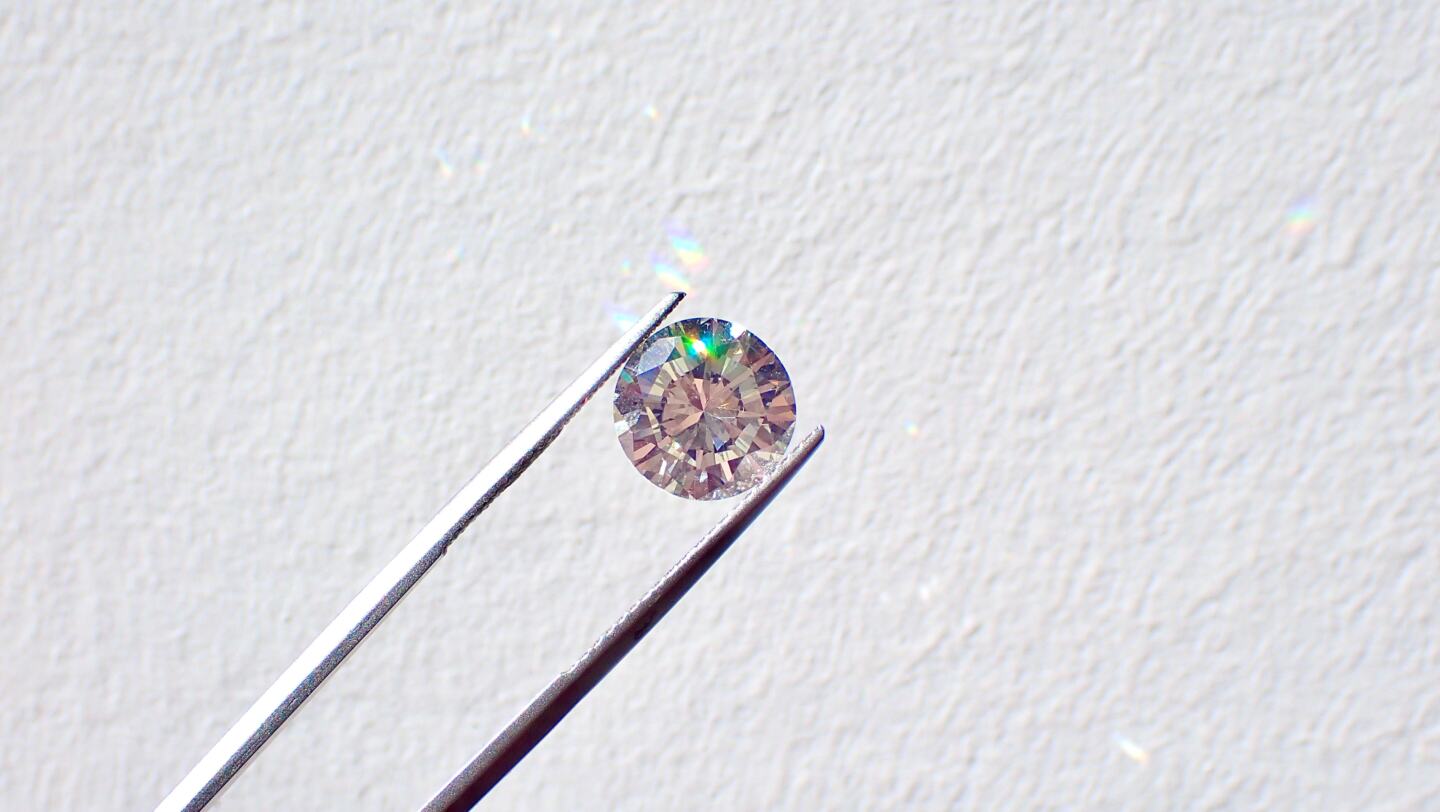
The value of a diamond depends on multiple different factors. There are many different ways to think about a diamond’s value, but even once you’ve decided on the appropriate evaluation method there are multiple different factors about a diamond that determined its value within that particular approach. The different ways to evaluate diamonds and the different factors that contribute to their evaluation will be discussed throughout this article.
Retail Value
When most people talk about the value of a diamond, they are usually referring to what would be considered the retail value. The retail value of a diamond is the price you would pay for diamonds if you walked into a jeweller, or diamond seller and considered purchasing one of their diamonds, or diamond jewelry products brand new from the retailer.
When considering the value of a diamond in this retail setting, the main factors that will determine the diamond’s value are the carat, meaning how much the diamond weighs, and then the color, cut, and clarity of the diamond.
A 3-carat diamond could be less valuable, than a 2-carat diamond, depending on the color, cut and clarity. Weight is a very important factor in diamond valuation, but it is by no means the only factor. A diamond with very good clarity and color could easily be priced more than a heavier diamond without those same qualities.
From a strictly retail perspective, assuming an average colour, cut, and consistency, the price of a half-carat diamond could be valued at around £1,500 and a 1-carat diamond could be valued at around £6000 or more.
But keep in mind these prices are extremely variable based on many factors. These prices are just drawn from overall valuation indexes that track broad price movement over time.
Replacement Value
Replacement value is a type of evaluation provided by insurance companies to indicate what they would pay, or what they would cover for a diamond that is lost or stolen, depending on the type of insurance you have. The replacement value of a diamond is often higher than the initial retail price that you may have paid for a diamond.
Though it is comforting to know that should something bad happen, you are covered for the entire cost, or retail value of your diamond, it is important not to conflate this understanding with how much you might be able to get for your diamond if you try to sell it second-hand.
Fair Market Value
Fair market value refers to the amount of money you should expect to be able to actually sell your diamond for today, as is. Assuming you have a diamond, or piece of diamond jewellery in your possession, and you were to try and sell it, the fair market value indicates what type of price you should be able to expect to sell your diamond for.
Sentimental Value
The sentimental value of a diamond is often overlooked when considering the potential value of a diamond, or piece of diamond jewellery. This can be considered both when buying a piece of diamond jewelry for a loved one, or when you are potentially selling or encouraging someone to sell a piece of diamond jewelry.
When buying a piece of diamond jewellery, there are many factors that have a relative influence on the perceived value. For example, if you are a high net worth individual and looking to buy a piece of diamond jewelry for a loved one or for an engagement occasion, then the value that your partner will place on that diamond could be influenced by your perceived net worth and income. For example, if you buy a one-carat diamond, this may be considered inadequate, and a poor expression of your love and appreciation, given the comparison between the value of the diamond, and your overall financial situation.
However, if somebody with low net worth, and low income buys their loved one a one-carat diamond ring, this could be considered an unbelievable gesture, and sacrifice on their behalf. This is because the challenge of buying a 1-carat diamond ring for somebody on a low income is extraordinarily greater than for someone who is on a high income. So when considering the potential value, also consider how that value may be perceived by the person you are gifting the diamond to, based on other economic and social factors.
Likewise, if somebody is already in possession of a piece of diamond jewelry, or a loose diamond, if they are contemplating selling that, then their perceived evaluation of that item could be very different from the fair market value depending on the type of connection they have to the piece of jewelry, and its history with them.
Final Thoughts
In summary, This article explains how the price of diamonds varies based on many things. From the actual characteristics of the diamond itself to the setting in which the diamond is being sold. From a retail environment to a market environment, through to an insurance evaluation, the value of a diamond is extremely variable.
So when you are trying to ascertain the value of diamonds keep these factors in mind and ensure you are aware of the different evaluation methods and use the one most appropriate for your situation.



Leave a Reply