
Image Credit: Pexels
Connecting your home and garden is one of the most impactful changes you can make. It’s not just about adding a patio; it’s a whole design idea that aims to create one big living space, flowing easily from inside to out. This approach makes your home feel bigger and more connected to nature. It also completely changes how you use and enjoy your space. By carefully combining architecture, light, and materials, you can create a beautiful and useful extension of your home.
The Art of Flow in Home Design
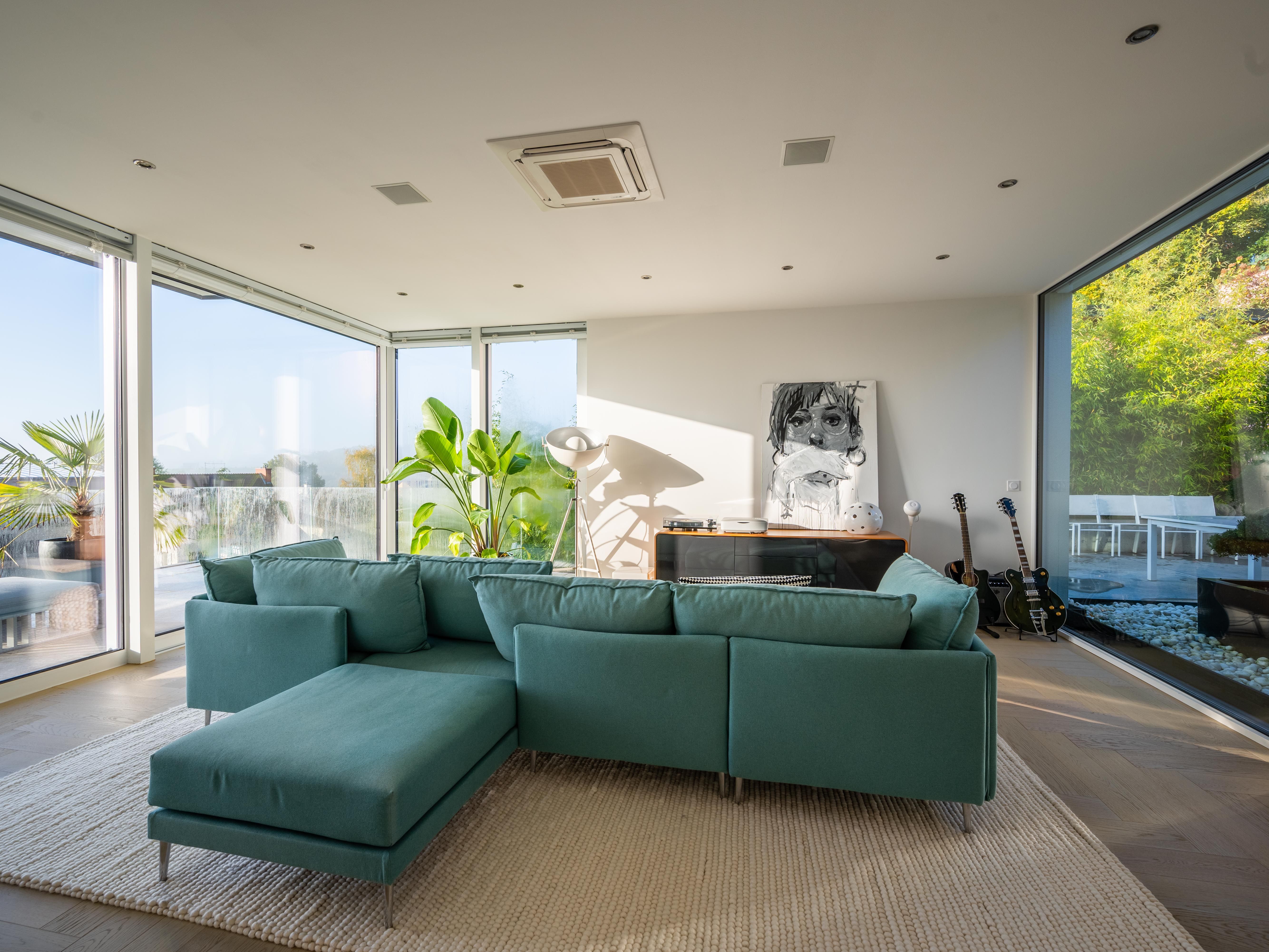
To truly connect your indoor and outdoor spaces, you need to create ‘flow’. This design idea focuses on getting rid of physical and visual barriers so two separate areas feel like one continuous space. The goal is for your eyes to move smoothly from your sofa to the garden lawn, encouraging a more relaxed way of living. A key method in designing seamless indoor-outdoor living is making things continuous.
One of the best ways to do this is with flooring. Using the same or similar flooring material inside and out makes your eyes see one continuous surface. For example, you could have large porcelain tiles run from your kitchen straight out onto your patio. It’s also really important that the floor levels are even. A step down or a raised doorway immediately breaks that connection, so working with a builder or architect like Crush Architecture to get a level transition is essential.
What you can see, or ‘sightlines’, are another important thing to think about. Arrange your indoor furniture to face the garden, making the view a main feature of the room. A clear, open view from your main living area all the way to the back of your garden will draw you outside and make both spaces feel more connected. This might mean moving a sofa or even redesigning a room completely, but the result is definitely worth the effort.
Maximising Natural Light Indoors
Natural light is crucial for any home, and it’s the most important thing for linking your inside space with the outdoors. Big glass panels are essential for making the walls between you and your garden disappear, filling your home with light and offering wide views. Your choice of doors is key here, as they are the main link between the two areas.
Bifold doors are a popular choice because they can fold back completely, removing an entire wall to join a room with a patio or deck. Sliding doors look more minimalist with bigger, unbroken glass panes and thin frames. This is perfect for framing a beautiful garden view even when they’re closed. When picking your entryways, looking at options like modern double-glazed doors means you don’t have to choose between a great view and good insulation. These designs offer excellent insulation, keeping your home warm in winter and cool in summer.
Beyond doors, think about other design strategies for natural light. Adding skylights or roof lanterns can bring light into deeper parts of your home, while mirrors placed strategically can bounce light around a room and reflect garden views, making the space feel even bigger and more connected.
Choosing the Right Design for Your Space
The style of your indoor-outdoor space should feel like a natural part of your home’s existing look and your own taste. Whether your property is a modern new-build or an older, traditional home, the change should feel real and well-thought-out. There are many examples of striking indoor-outdoor living spaces that take inspiration from the home’s main style.
To make everything look consistent, use the same colours and materials both inside and out. For example, if your living room has slate grey and natural oak accents, bring those elements outside with your choice of paving stones, planters, or wooden furniture. This repeated look reinforces the idea that the garden is just another ‘room’ of the house.
Think about how you want to use the space and create ‘zones’ that match your indoor activities.
- Lounge Zone: An outdoor sofa and armchairs around a coffee table or fire pit make a comfy spot for relaxing and hanging out.
- Dining Zone: A dedicated area for an outdoor dining table and chairs, ideally close to the kitchen, makes eating outside easy and regular.
- Cooking Zone: An outdoor kitchen or a well-placed barbecue can turn cooking into a more social, open-air experience.
If you furnish your outdoor area with the same care and comfort as your indoor space, you’ll be much more likely to use it.
Materials and Finishes That Endure
While things looking good together is important, practicality is just as vital. The materials you pick for your outdoor space need to be tough enough to handle British weather while still looking good. Luckily, there are now lots of high-performing materials that can help you get a seamless look without giving up durability.
For flooring, porcelain paving is a great choice. It doesn’t absorb water, resists fading, and is frost-proof. Many ranges also offer matching indoor tiles for a perfect transition. Composite decking is another low-maintenance option that won’t rot, warp, or splinter like some traditional woods. For structures like pergolas or door and window frames, powder-coated aluminium is a popular choice because it’s durable and has a sleek, modern look.
When choosing outdoor furniture, look for pieces made from weather-resistant materials like teak, synthetic rattan, or powder-coated metal. Invest in good-quality outdoor fabrics for cushions and upholstery that won’t fade in the sun or get mildewed. Choosing these durable, long-lasting materials means you’ll spend less time on upkeep and more time enjoying your beautifully connected space.
Beyond Aesthetics: Practical Benefits
Connecting to the outdoors is more than just a design trend; it genuinely benefits your well-being and lifestyle. The importance of natural lighting on our mood and health is well-known, and filling your home with daylight can boost energy and create a more positive living environment. Having a direct visual and physical link to greenery and nature is also known to lower stress and improve mental clarity.
From a practical point of view, blurring the lines between inside and out can make your home feel much bigger without the cost and hassle of a traditional extension. A 15-square-metre patio that feels like part of your living room is a much more valuable and usable space than one that feels cut off from the house. This extra functional living area not only improves your daily life but can also add significant appeal and value to your property if you ever decide to sell. It turns the garden from something you just look at into an essential part of your home that you live in.
Ultimately, designing a home that flows into the garden is about creating a more flexible, enjoyable, and healthier way of life. It’s an investment that pays off every time you slide open the doors on a sunny morning or watch the seasons change from the comfort of your sofa.



Leave a Reply