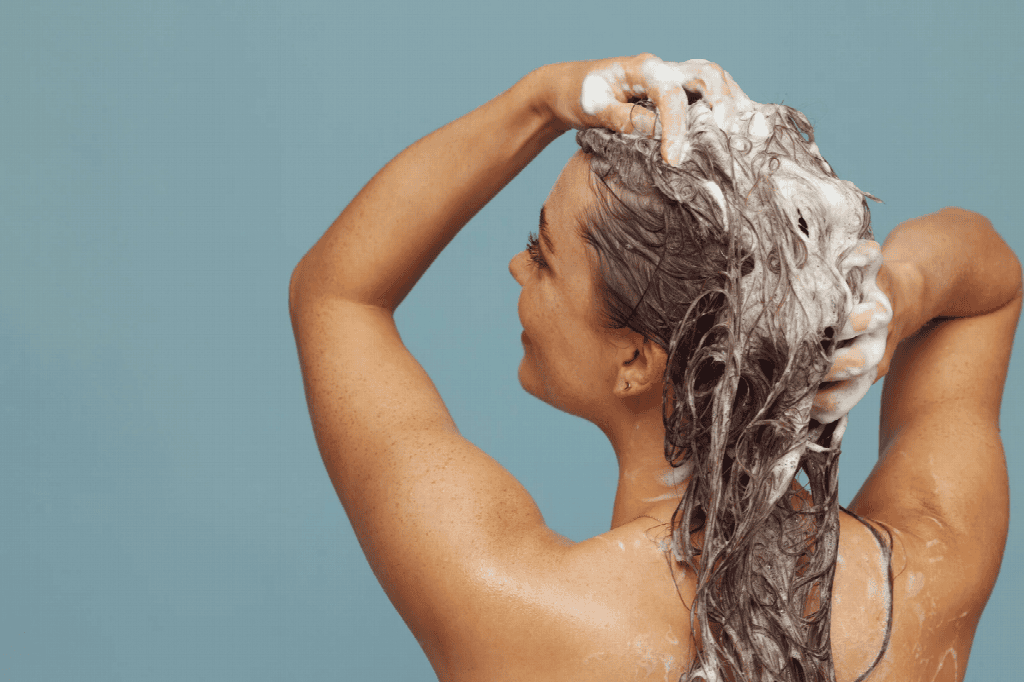
Hot, humid holidays are hard on skin in ways a home routine doesn’t prepare for. Sweat and oil build up faster, sunscreen, salt water and pool chlorine pile on top, and the scalp, which is skin too, often reacts first with greasy roots, itching or flakes. The shampoo that works in places like Bali or Thailand is often simpler than the one at home, and choosing the right one starts with the scalp rather than the label.
This guide explains how to choose the right shampoo for your hair: the main types of shampoo, the ingredients worth reading on the label, a simple washing routine and how to tell whether a formula suits your hair type, with notes on hot, humid weather along the way. It also covers what to do when a bottle on its own isn’t solving the problem.
What Is Shampoo and What Does It Do?
Shampoo is a cleanser built around surfactants, ingredients that grab oil and water at the same time so sebum, sweat, dead skin, and styling product rinse away instead of sitting on the scalp. Everything else in the bottle, from conditioning agents to fragrance, is there to adjust how that cleansing feels and how the hair behaves afterwards. The scalp is the main target. The lengths of the hair mostly get cleaned as the lather runs down.
Two bottles can look alike and behave very differently. A strong cleanser strips oil quickly, which suits a greasy scalp and can leave dry or coloured hair feeling like straw. A milder formula protects moisture but may struggle with heavy buildup. Scalp skin also sits at a slightly acidic pH, roughly 4.5 to 5.5, and many shampoos are formulated near that range to keep the surface comfortable.
Main Types of Shampoo Compared
Each type below gets a quick profile: who it tends to suit, what it does, and what to watch for.
Clarifying Shampoo
Clarifying shampoo is not meant for everyday use. These formulas rely on stronger cleansers to lift product residue, hard water minerals, sunscreen, and oil, which makes them useful once every week or two for people who use heavy styling products or swim often. Used daily, they can leave hair dry and the scalp feeling tight.
Moisturising Shampoo
Dry, curly, coily, coloured, or heat-styled hair tends to benefit most. These formulas lean on gentler cleansers plus humectants such as glycerin and conditioning ingredients. The trade-off is that they can feel too heavy on fine or oily hair.
Volumising Shampoo
A volumising shampoo mostly changes how hair looks and feels, not its structure. Lightweight formulas leave less residue, so fine hair looks fuller at the roots, and some add polymers that thicken the strand slightly. Nothing in a bottle changes how many hairs grow, which is worth remembering when the packaging promises miracles.
Anti-Dandruff Shampoo
An anti-dandruff shampoo is the one to reach for when flaking and itching persist and look like dandruff rather than a simply dry scalp. Common active ingredients include zinc pyrithione, selenium sulfide, ketoconazole, and salicylic acid, and most directions call for leaving the lather on the scalp for a few minutes before rinsing. Results usually take a couple of weeks of regular use.
Sulfate-Free Shampoo
Whether sulfate-free is better depends on the hair. These formulas use milder cleansers, which suits coloured, curly, dry, or sensitive scalps, though they usually lather less and can feel less thorough on oily hair. Less foam does not mean less clean, a point that surprises plenty of first-timers.
Key Ingredients to Look For in a Shampoo
Ingredient lists look intimidating, but a handful of names do most of the heavy lifting, and each one tends to earn either praise or blame depending on the hair it lands on. The sections below sort the main ingredients by the job they do, so the label becomes easier to read and the right formula easier to match to the scalp and hair at hand.
Sulfates
Sodium lauryl sulfate and sodium laureth sulfate are strong, foamy cleansers that handle oil and buildup efficiently. They get blamed for plenty of hair complaints online, yet they do useful work on oily scalps. The trouble starts when a strong sulfate cleanser meets dry or curly hair, which can feel stripped afterwards.
Silicones
Dimethicone and its relatives coat the strand for slip and shine, which helps with detangling. They can build up over time on some hair types, especially fine hair, so an occasional clarifying wash keeps heavy silicones from weighing hair down.
Antifungal Actives
Zinc pyrithione, ketoconazole, and selenium sulfide are antifungal or anti-flaking ingredients found in anti-dandruff formulas. They suit persistent flaking and itching, and they usually need a couple of weeks of regular use to show results.
Salicylic Acid
This ingredient loosens scale on the surface of the scalp, which makes it useful for stubborn flakes and buildup. It pairs well with antifungal actives in some formulas, though it can feel drying on already sensitive skin.
Glycerin and Panthenol
Both draw in and hold moisture, which makes them common in formulas for dry, curly, coloured, or damaged hair. They are gentle additions that rarely cause problems and suit most hair types.
Fragrance
Fragrance is usually harmless, but sensitive scalps may react to it. An unscented option is worth trying if redness, itching, or stinging shows up after washing.
What Is an Ideal Shampoo Routine?
A good shampoo can still underperform when the routine around it is off. Frequency, amount, technique, and water temperature all shape how the formula behaves, and small adjustments to any of them can make an ordinary wash feel noticeably better. The five steps below walk through the habits that matter most, so the routine can be fine-tuned to the hair and scalp it is meant to serve.
Wash Frequency
There is no universal number. Oily scalps often need washing daily or every other day, while dry, curly, or coily hair can go several days. The right rhythm is the one where the scalp feels comfortable and the hair still looks fresh.
Shampoo Amount
About a coin-sized amount works for medium-length hair, concentrated on the scalp. More product does not mean more clean, only more rinsing.
Massage Time
Roughly a minute of gentle fingertip massage is enough, with the nails kept out of it. Medicated formulas usually say to leave the lather on for a few minutes, so the directions on the bottle are worth checking.
Water Temperature
Lukewarm is kinder. Very hot water can irritate the scalp and dry the hair, and many people like to finish with a cooler rinse for smoother-looking strands.
Signs It Is Time to Switch
If the scalp feels tight, turns greasy within hours, or itches, or if the hair looks flat or brittle, the formula is probably wrong for the hair. Needs also shift with the seasons, colour changes, and travel.
What Shampoo Should I Use for My Hair Type?
The sections below run through seven common hair and scalp types, covering what a good fit tends to feel like and what the warning signs of a mismatch look like, so the hair in question can be matched to the right description.
Oily Scalp
Hair stays fresh for a full day or close to it, and the scalp feels clean without squeaking or tightness. Greasy roots by afternoon suggest a formula that is too mild, while a tight, itchy scalp suggests one that is too strong.
Dry or Damaged Hair
Strands feel soft and flexible after drying, with less snapping and frizz. Rough, straw-like ends right after washing point to a cleanser that is too harsh.
Fine Hair
Roots lift and the hair looks fuller without feeling coated. Hair that goes flat or limp within a day often means the formula is too rich.
Thick or Coarse Hair
Detangling takes little effort and hair feels smooth, not wiry. If it still feels dry and frizzy after drying, a more moisturising formula may suit it better.
Curly or Coily Hair
Curls clump into defined shapes, stay hydrated between washes, and frizz less. Dull, stringy, or crunchy curls suggest the formula is stripping or leaving buildup.
Coloured or Heat-Styled Hair
Shade holds for longer between salon visits and the hair feels less brittle. Quickly fading colour or a rough texture hints that a gentler, colour-safe formula is worth trying.
Sensitive or Flaky Scalp
The scalp stays calm, with no stinging, redness, or fresh flaking, and itching eases over a few weeks. Any burning or increased redness is a cue to stop.
Hair Treatments That Work Alongside Shampoo
Shampoo handles the cleaning, but it was never meant to do every job. Hair and scalp often benefit from extra support between washes, whether that means restoring moisture, easing buildup, or strengthening the strand. The four treatments below focus on hair health, and each one tends to work best when it complements the shampoo rather than replaces it.
Deep Conditioning Masks
A rich mask used once a week or every other week adds moisture that a regular conditioner may not deliver, which suits dry, curly, coloured, or heat-styled hair. Fine hair usually does better with a lighter formula or a shorter contact time, since heavy masks can leave it limp.
Pre-Wash Hair Oils
Applying a light oil to the lengths before shampooing creates a buffer that can help limit moisture loss during washing. Coconut oil is the most common choice, and some research suggests it may help reduce protein loss, though oily scalps usually do better keeping oil to the ends.
Scalp Exfoliation
Gentle scrubs or salicylic acid-based treatments lift buildup from sunscreen, styling products, and dead skin, which helps the scalp feel fresher between shampoos. Once a week or less is plenty, and an irritated or sensitive scalp is better left alone.
Protein and Bond Repair Treatments
Bleached, chemically treated, or heat-damaged hair can benefit from treatments that reinforce the strand. Balance matters here, because too much protein can leave hair stiff and brittle, so these work best when used sparingly and followed by moisture.
Finding the Right Clinic for Hair and Scalp Care
Some concerns go beyond what a better routine can fix: itching or flaking that won’t settle after a few weeks, redness or stinging, sudden shedding, visible thinning, or pigmentation that darkens after sun exposure. Heat, sun and travel can make all of these more noticeable.
Popular holiday destinations often have clinics, salons and spas side by side, which makes help easy to find but harder to judge. For a proper assessment while away, for instance at an aesthetic clinic in Bali, look for:
- a qualified doctor or dermatologist doing the consultation, not just the treatment
- a clear explanation of the cause before anything is sold
- registered products and transparent prices
- written aftercare and a way to follow up once you’re home
Frequently Asked Questions
Why does my scalp get greasy faster in humid weather?
Heat and humidity increase sweat and oil, and sunscreen adds to the buildup. A regular wash with a lightweight formula keeps the roots fresh.
Do I need to wash my hair every day in humid weather?
Often yes for oily scalps. Use a mild formula so a daily wash doesn’t strip the hair.
Should I switch shampoo on holiday?
Only if your usual one feels heavy or drying in the heat. A travel-size clarifying shampoo is the most useful addition.
Can sunscreen build up on the scalp?
Yes, especially along the parting and hairline. A clarifying wash once or twice a week clears it.
How do I protect coloured hair from sun and chlorine?
Wet hair with fresh water before swimming, rinse straight after, and use a colour-safe formula.
How long does anti-dandruff shampoo take to work?
Usually a couple of weeks of regular use. Leave the lather on the scalp for a few minutes, as the bottle directs.
Which shampoo ingredients should I avoid?
No single ingredient needs to be avoided by everyone. Strong sulfates can leave dry or curly hair feeling stripped, heavy silicones can weigh down fine hair, and fragrance is a common trigger for sensitive scalps, so the list depends on the hair and scalp in question.
When should I see a doctor about an itchy or flaky scalp?
If itching or flaking has not settled after a few weeks, or there is redness, stinging or sudden shedding, get a professional assessment. Stop any product that burns.
Final Verdict on Choosing the Right Shampoo
Start with the scalp, then the hair. Oily, dry, flaky, or sensitive scalps point towards different formulas, and texture, colour, and styling habits fine-tune the choice from there. Change one thing at a time, give it a few weeks, and read the label for the handful of ingredients that matter. When flaking, itching, or thinning refuses to budge, a professional opinion beats another bottle.



Leave a Reply