With the COVID-19 pandemic gripping the entire planet, people from all over the world have seen significant disruption to their way of life. Many sectors and brands have been pushed in different directions by this hugely unsettling phenomenon, and the beauty industry is no exception.
With the UK having spent much of the past 12 months under relatively strict lockdown measures, salons and boutiques have faced indefinite closures that have challenged the very fabric of the industry. Whilst national vaccination programmes are now offering a sliver of hope that the pandemic may end in the near future, it’s unlikely that things will just spring back to normal and the beauty industry will undoubtedly have to adapt as it has done countless times before.
With these thoughts in mind, here are just some of the ways in which the beauty industry has adapted to one of the most challenging periods in living memory.
Soap and sanitiser steal the show
Kicking us off in true pandemic style, soap and hand sanitiser have truly stolen the show over the past year. With official bodies making it clear that good old-fashioned soap is our best weapon against the coronavirus, it’s easy to see why so many brands have made it their mission to provide high-quality bars and liquid soaps that can dispel germs and keep us all smelling fruity fresh to boot.
With many medical grade suppliers running out, this past year has seen cosmetics brands rise to the challenge of providing alcohol-based hand sanitiser for use in shops, doctors surgeries, and even at home.
In all, what we’ve seen from the beauty industry has been truly impressive and shows that our brands are anything but superficial.
Online events take over
The beauty industry is a particularly social one, and the COVID-19 pandemic has been unable to stifle that spirit of friendliness. Whilst awards ceremonies and live events have been postponed and cancelled in the wake of the pandemic, many of these same occasions have taken place online – with people joining from the comfort of their own homes and salons.
As we move forwards and accelerate out of the pandemic, it seems likely that digital involvement in our industry is here to stay.
Higher demand for milder products
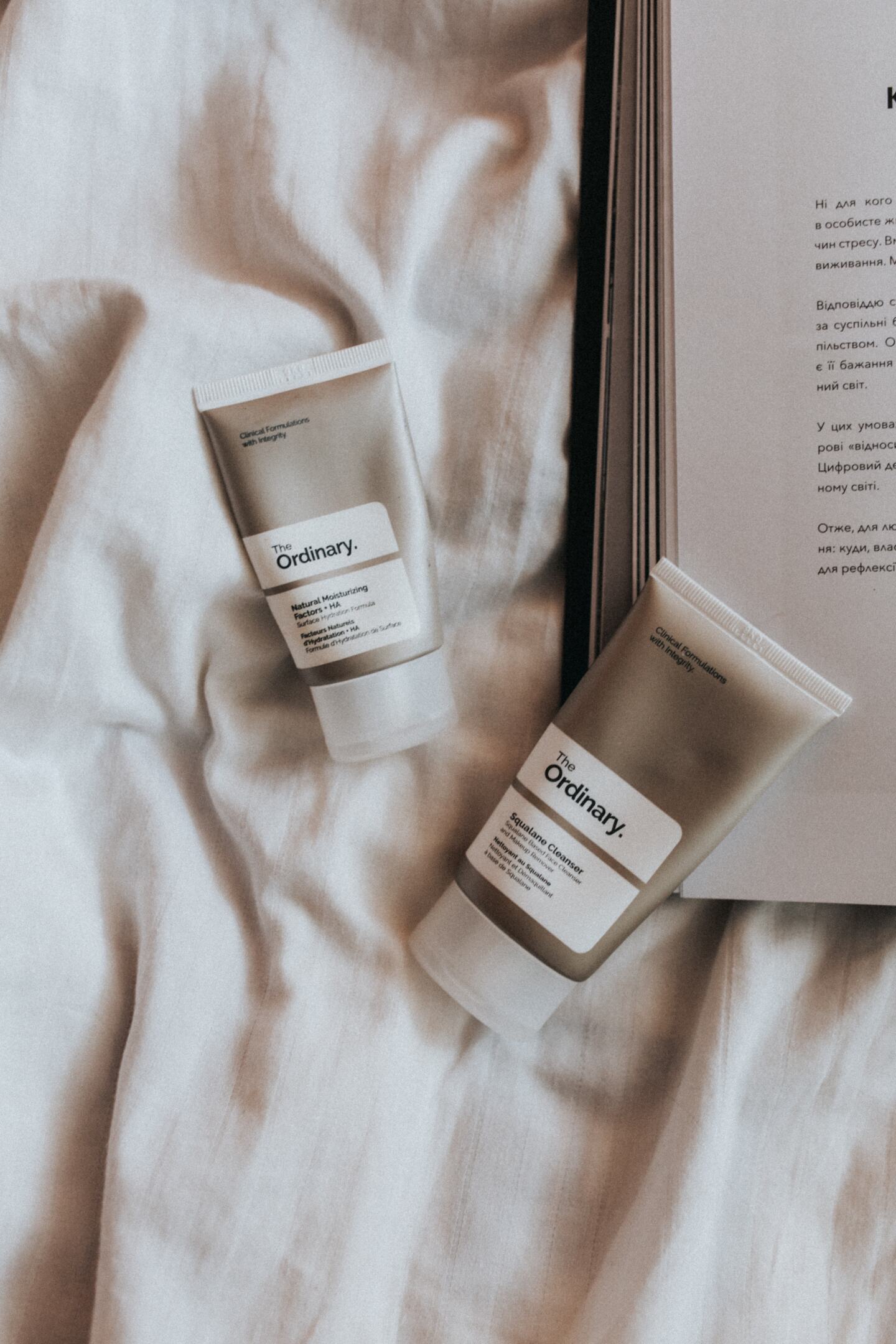
One interesting effect of the pandemic has been the increased demand for milder products. As we wash our hands more and subject them to a harsher regime, skin conditions and reactions are on the rise.
With dermatologists now reporting a rise in eczema as a direct result of increased hand-washing, there is now enhanced demand for mild and gentle cosmetic products that won’t damage already worn skin.
In this vein, many major brands have taken the time to formulate more accommodating products and ensure that the ingredients are gentle on the skin without sacrificing any of their efficacy or usual qualities.
With social distancing and enhanced hygiene standards here to stay for the foreseeable future, there can be little doubt that gentle products will continue to take a considerable share of the market.
A shift towards less waste
With everyone ordering online much more than before, it’s kind of making us realise how much money we spent on beauty and wellness before. Just cutting through stores or ‘nipping out to the shops’ only fed our shopaholic syndrome, yet now a lot of us have reigned in over-spending. It’s made many of us focus on sustainability, and investing in few quality products instead of hundreds of cheaper, ‘OK’ ones. There’s more attention being paid to packaging and recycling, with people spending more time on their homes and wanting to cut down on ‘things’. A great way to do this with beauty products is to look as using recyclable plastic bottles for your products. Can you buy refills? Can you cut down on the amount of plastics you buy, by topping up a recyclable plastic bottle from a quality plastic bottle manufacturer? Definitely worth looking into.
Self-care steals the limelight
As the world has transitioned towards working from home, the beauty industry has followed suit by providing a full complement of self-care items that are designed not only to help us look our best, but to feel it too.
From face masks and bath bombs, through to foot care products and at-home nail care kits, it’s clear that wellness products have taken the top spot from more traditional makeup products. The public has taken great interest in personal care over the course of the pandemic, and that trend only looks set to continue as we all spend more time in our own company.
Feeling good beats dressing to impress
The pandemic has also seen another key trend rise up within the health and beauty industry – that of feeling good for yourself, rather than simply trying to impress others. With self-care trends popping up all over social media, and fewer places to go out and interact in person, it only makes sense that people are spending more time on doing the things that make them happy – including makeup and other beauty activities.
Making the best of a bad situation
The COVID-19 pandemic has brought with it unprecedented challenges across every segment of society – but against all odds, the beauty industry has risen to the challenge and provided many people with a much-needed outlet. Despite this, financial support has been particularly limited for sole traders and other operators within our industry, leaving many out of pocket and struggling to get by.
As society now looks to life after COVID-19, it’s worth thinking about how your beauty business can pivot to make the best out of the new normal. From buying new equipment to spending out on digital marketing and even investing in social distancing adjustments, a £500 loan could make all the difference to your finances while making it that bit easier to continue trading.
Looking to the future, it’s clear that there is just as much demand for the beauty industry – it’s just a case of moving with the times and adapting to what people really want.



Leave a Reply