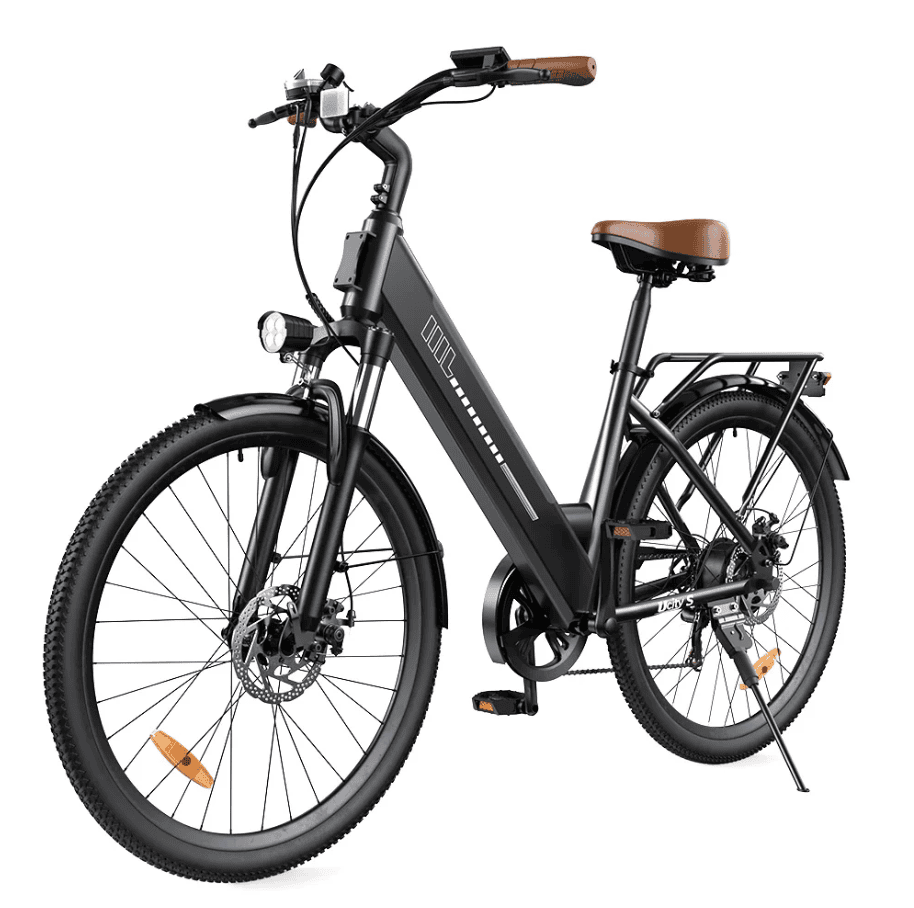
The morning commute looks different when a urban electric bike becomes part of your daily routine. You leave home, navigate busy streets, stop for groceries, and arrive at work without searching for parking. But the wrong bike can turn that simple routine into a frustrating experience.
A battery that runs low before your return trip. A heavy frame that becomes difficult to carry upstairs. A narrow seat that makes every ride uncomfortable. These problems often appear after the purchase, not during it.
So, how do you find the right one?
Start with your actual routine. Consider your distance, road conditions, storage space, comfort, local regulations, and budget. Then choose a bike that supports those needs without adding features you rarely use.
This guide explains the important decisions, common mistakes, and practical checks that can help you choose with confidence.
What Makes an Electric Bike Suitable for Urban Riding?
An urban electric bike should offer comfortable handling, dependable braking, useful battery range, and a practical design for everyday travel. Unlike mountain bikes, city models focus on commuting, errands, and paved roads. The right choice depends on how you plan to use it.
Think about your typical day. You might ride five kilometers to work, stop at a supermarket, and return home in the evening. Another rider may travel 25 kilometers daily across busy roads. Both need electric assistance, but their requirements differ.
A city commuter usually benefits from:
- Comfortable riding position
- Reliable brakes
- Suitable tires for paved roads
- Practical battery capacity
- Easy-to-use controls
- Lights for visibility
- Mudguards for wet weather
- A frame that fits the rider
A bike can look impressive in a showroom and still be poorly suited to your routine.
Match Your Commute to a Buyer Profile
Rather than comparing every spec sheet in isolation, it helps to recognize which type of commuter you actually are. Most urban riders fall into one of four patterns.
Short city commute (under 10 km round trip). Compact size and easy handling matter more than maximum range. A smaller battery is usually enough, and a lighter frame makes frequent stops less tiring.
Longer suburb-to-center commute (15–40 km round trip). Battery buffer becomes the priority. Comfort features — suspension, a more upright riding position — start to matter over distance, and weather exposure becomes more relevant the longer you’re out.
Multi-modal commute (bike plus train or bus). Storage footprint often decides the purchase. A folding format and manageable carrying weight outweigh almost every other consideration if you’re lifting the bike onto a platform daily.
Errands and repeated stops. Easy mounting and dismounting save real effort across a week of stop-start riding. A step-through frame typically suits this pattern better than a traditional crossbar design.
Identifying which profile you fit narrows the decision before you look at a single spec sheet.
How Far Do You Need to Travel Every Day?
Calculate your complete daily distance before choosing battery capacity. Include the return trip, errands, hills, and a reasonable reserve. A battery should support your routine without requiring constant charging.
Start with a simple calculation. If your workplace is 8 kilometers from home, your basic round trip is 16 kilometers. Add any regular shopping or other stops, then consider conditions that may increase energy use.
Battery range depends on several factors:
- Rider weight
- Riding speed
- Hills and inclines
- Wind
- Tire pressure
- Assist level
- Temperature
- Cargo weight
Manufacturers usually advertise range under specific test conditions, and real-world results can differ — often noticeably. Consumer Reports recommends considering your intended use, including commuting distance and terrain, before selecting an e-bike, and notes that motor assistance can make longer journeys and hills easier to manage.
Why a Bigger Battery Isn’t Always Better
A larger battery provides more range, but it also adds weight and cost. If your daily commute is short, an oversized battery may offer little practical benefit. A moderate battery with a sensible reserve, matched against your buyer profile above, usually suits you better than chasing the largest number on the page.
Which Motor Is Best for City Commuting?
A hub motor suits many flat urban commutes, while a mid-drive motor can offer advantages on steep hills and demanding routes. Motor choice should reflect terrain, rider weight, cargo, and the level of assistance you need.
Hub Motors
Hub motors sit inside the front or rear wheel. They’re common on commuter bikes because they provide straightforward assistance and often cost less than mid-drive systems. A rear hub motor works well for ordinary flat city travel, though performance varies between models.
Mid-Drive Motors
Mid-drive motors sit near the bike’s pedals and work through the drivetrain, which helps riders manage hills and changing terrain. They often appeal to commuters who face steep inclines or carry heavier loads. The trade-off can include higher purchase costs and more complex maintenance.
What About Motor Wattage?
Wattage describes electrical power, but it doesn’t tell the whole story. Torque, measured in newton-metres, explains how strongly a motor can assist under load. The controller, gearing, and battery also affect performance. Don’t choose a bike based only on its wattage — consider how it feels during acceleration and climbing, and check the figure against the legal limits in your area (covered below).
Know the Rules Before You Buy
This is the step most buying guides skip, and it’s one of the most commonly searched questions on this topic. Electrically assisted bikes are regulated differently depending on where you live, and buying a bike that exceeds local limits can affect where you’re legally allowed to ride it.
| Region | Typical Motor Limit | Typical Speed Cap | Minimum Age |
|---|---|---|---|
| UK / EU (EAPC) | 250W continuous | 15.5 mph (25 km/h) assisted | 14+ |
| US – Class 1 & 2 | 750W | 20 mph | Varies by state |
| US – Class 3 | 750W | 28 mph | Often 16+ |
These figures are general reference points, not a substitute for checking the current rules in your specific city or state — regulations change and local exceptions exist. In the UK, for example, a compliant EAPC can be ridden without registration, tax, insurance, or a licence, provided it meets the pedal, power, and assisted-speed requirements.
A bike that exceeds these thresholds may be legally classified as a motor vehicle rather than a bicycle in many jurisdictions — which can mean registration, insurance, or road restrictions you weren’t expecting. Confirm the classification before you fall in love with a specific model.
How Important Are Brakes and Tires?
Brakes and tires directly affect how confidently you can control an electric bike. Choose components that match your riding environment, weather, rider weight, and speed. A commuter bike carries more weight than many traditional bicycles — the motor and battery add to that load.
Disc Brakes or Rim Brakes?
Disc brakes provide strong stopping performance. Hydraulic disc brakes often offer smooth lever feel and consistent control, while mechanical disc brakes use cables and are typically easier to adjust and maintain. Rim brakes can work well in suitable conditions, but their performance may change with wet weather and rim wear. Don’t assume every disc brake offers the same performance.
Why Tires Matter
City roads may contain potholes, broken pavement, gravel, and uneven surfaces. Look for tires suited to the roads you actually use — puncture-resistant tires reduce the inconvenience of flats, and suitable width and tread improve comfort and handling. A commuter bike needs predictable control more than aggressive off-road styling.
What Frame Style Should You Choose?
Choose a frame that makes mounting, riding, stopping, and parking comfortable. A well-fitting bike encourages regular use, while a poor fit can make everyday travel tiring.
Step-Through Frames
Step-through frames have a lower opening between the seat and handlebars, making getting on and off easier. They suit riders who prefer an upright position, wear everyday clothing, or stop frequently — matching the “errands” buyer profile above particularly well.
Step-Over Frames
Step-over frames have a traditional crossbar and offer a familiar riding position that suits many commuters. The best choice depends on your height, flexibility, and comfort.
Don’t Ignore Bike Weight
An electric bike may weigh considerably more than a traditional bicycle. If you live in an apartment, carry the bike upstairs, or store it indoors, weight becomes a daily concern. A removable battery can make some bikes easier to carry — check the complete bike weight, not just the battery weight.
Which Features Actually Improve Daily Convenience?
Useful commuter features include lights, mudguards, racks, comfortable contact points, and removable batteries where needed. These improve everyday practicality more than cosmetic extras.
| Feature | Why it matters |
|---|---|
| Integrated lights | Improve visibility in suitable conditions |
| Mudguards | Help reduce spray on wet roads |
| Rear rack | Supports bags and everyday cargo |
| Kickstand | Makes parking easier |
| Removable battery | Helps with indoor charging and carrying |
| Adjustable handlebars | Can improve riding comfort |
| Display | Shows useful riding information |
| Chain guard | Helps protect clothing |
| Water resistance rating | Relevant if your route continues through rain |
A comfortable saddle and suitable grips can make a bigger difference to daily use than a fancy display. The same applies to storage — if you regularly carry groceries or a laptop, check whether the frame supports a rack or panniers.
Battery and Charging Safety
Treat the battery as a safety component, not simply a source of range. Use the correct charger and follow the manufacturer’s charging instructions — never improvise with an incompatible one.
Government safety guidance in multiple regions advises buying from known sellers, checking charger compatibility, looking for recognized safety certification marks, avoiding unattended charging, and unplugging chargers once charging is complete. Unsafe batteries, incompatible chargers, and poor charging habits can increase fire risk — separate guidance recommends that e-bike batteries include protection systems such as a battery management system to guard against thermal runaway.
Practical habits that reduce risk:
- Charge on a hard, non-flammable surface, away from exits
- Never charge unattended overnight or while you’re away from home
- Unplug the charger once the battery reaches full charge
- Avoid charging a battery that’s been damaged, dropped, or exposed to water
- Store spare batteries away from direct sunlight and extreme heat
How Much Should You Spend on an Urban Electric Bike?
Set your budget after identifying the features your commute requires. Spending more can improve components, comfort, range, and support — it doesn’t automatically guarantee a better experience.
Your budget should include more than the bike itself. Remember to account for a helmet, a lock, lights if not included, maintenance, replacement tires, insurance where appropriate, and battery replacement over time. A cheaper bike may become expensive if parts are difficult to find, and a more expensive bike may offer little extra value if you never use its advanced features.
What Should You Check Before Buying?
Test the bike whenever possible, verify its specifications, and check the manufacturer’s support arrangements before paying. A short test ride can reveal comfort and handling issues that product photos cannot show.
- Measure your usual daily route, including the return trip.
- Identify hills and difficult road sections.
- Check the manufacturer’s recommended rider height and weight.
- Confirm battery capacity in watt-hours, not just advertised range.
- Ask about real-world range, not just lab-tested figures.
- Test the brakes and motor response.
- Inspect the frame and tires.
- Confirm charging arrangements and battery safety features.
- Review the motor wattage and speed cap against your local rules.
- Read the warranty terms and check replacement parts availability.
Ask About After-Sales Support
A bike is a long-term purchase. Find out who handles repairs, and whether the battery, charger, brakes, and other components have replacement support. If you buy online, understand how warranty claims work — a low price becomes less attractive when getting help requires shipping the entire bike across the country.
Common Buying Mistakes — and Quick Fixes
| Mistake | Why it happens | Quick fix |
|---|---|---|
| Choosing the fastest model | Speed feels exciting in a showroom | Match speed to your local legal cap and actual ability |
| Trusting advertised range | Manufacturer tests use ideal conditions | Buy extra battery margin for hills, cold, and load |
| Ignoring storage | Weight and size seem secondary until day one | Decide where the bike will live before buying |
| Skipping a test ride | Comfort issues don’t show in photos | Test the riding position, brakes, and steering directly |
| Forgetting charging logistics | Charging access is assumed, not checked | Confirm where and how often you can safely charge |
| Overlooking local rules | Legal classification isn’t obvious from a spec sheet | Check motor wattage and speed against your region’s limits |
Frequently Asked Questions
What is the best electric bike for daily commuting?
There’s no single best model — it depends on your distance, terrain, storage situation, and budget. Match the bike to your buyer profile (short commute, long commute, multi-modal, or errands) before comparing individual specs.
How many kilometers can an electric bike travel on one charge?
Range depends on battery size, rider weight, speed, hills, wind, and assist level, and real-world range is typically lower than the advertised maximum. Calculate your full daily round trip and add a buffer of at least 20–30% before choosing a battery size.
Is a hub motor good for city riding?
Yes, for flat routes. A hub motor is simpler and often more affordable, and it provides sufficient assistance for most level urban commutes. A mid-drive motor becomes more worthwhile if your route includes consistent hills or heavier loads.
What’s the legal motor limit for an electric bike where I live?
It varies by region — commonly 250W with a 15.5 mph assist cap in the UK and EU, or up to 750W with a 20–28 mph cap across different e-bike classes in the US. Always confirm current local rules before buying, since exceeding them can reclassify the bike as a motor vehicle.
Should I buy an electric bike with a removable battery?
A removable battery helps if you live upstairs, lack a charging socket near your parking space, or want to charge indoors away from the bike itself. Check the battery weight and removal process, since some designs are easier to detach than others.
Are electric bikes expensive to maintain?
Maintenance costs vary by model and usage. Tires, brakes, and chains require normal wear-and-tear attention, and battery replacement can become a significant cost several years in. Ask about parts availability and warranty coverage before you buy, not after something breaks.
Do I need a helmet for an electric bike?
Requirements depend on local law and the bike’s classification, but a properly fitted helmet is a sensible safety measure regardless of what’s legally required. Check the applicable rules in your area before riding on public roads.
Can I use an urban electric bike in the rain?
Many commuter bikes handle ordinary wet conditions, but water resistance varies by model. Follow the manufacturer’s guidance, avoid deep water, inspect the brakes after wet rides, and never charge a battery that’s gotten wet.
Is a folding electric bike good for commuting?
A folding model suits riders who combine cycling with trains, buses, or limited home storage. Smaller wheels can change the ride feel slightly, so test the folded size, total weight, and carrying comfort before deciding.
How do I choose the right battery size for my commute?
Start with your complete daily round-trip distance, then factor in hills, rider weight, speed, and assist level. Choose enough capacity to cover your route with a comfortable reserve — a larger battery adds weight and cost, so match capacity to your actual buyer profile rather than the biggest number available.
Final Thoughts
Finding the right urban electric bike starts with one honest question: how will you actually use it every day?
Your answer determines the battery, motor, frame, tires, brakes, legal fit, and practical features you need. A short city commute calls for a different bike from a long daily journey across hills and busy roads, and a bike that gets carried onto a train platform every morning has different priorities again.
Start with your route and your buyer profile. Then consider comfort, storage, charging safety, local regulations, and long-term maintenance. Compare the features that support your actual routine instead of paying for specifications you’ll rarely use.
The best urban electric bikes aren’t necessarily the fastest or the most expensive — they’re the ones that fit your life well enough to genuinely become part of it.



Leave a Reply