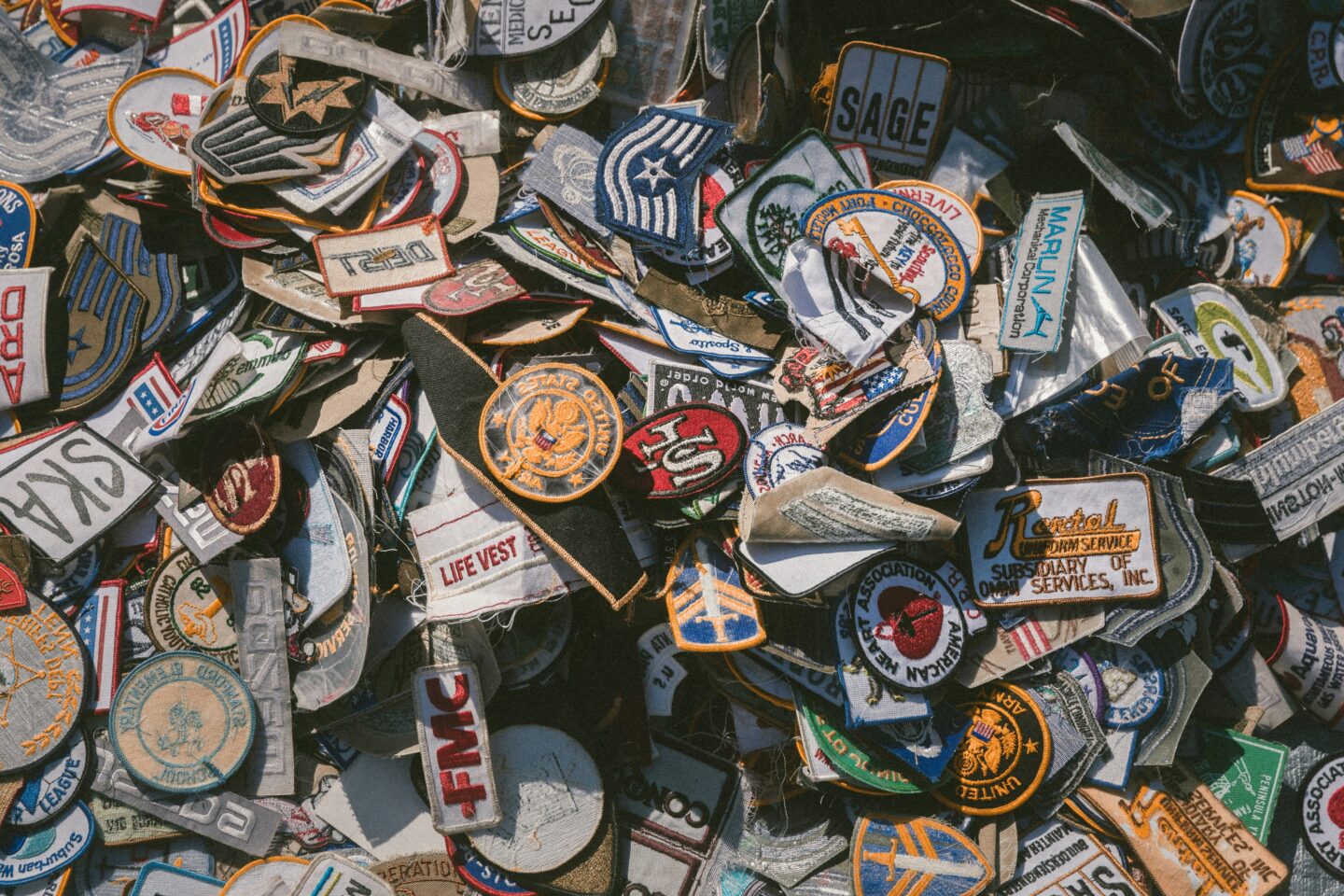
Fashion does not always need a new outfit. Sometimes, a small detail can change the whole look. A simple jacket, plain bag or pair of jeans can feel more personal with the right patch.
A UK patches manufacturer can help turn creative ideas into patches for clothing, bags and other accessories. You can choose your own design, colours, shape and size to match your style.
Custom patches give everyday items a different look without changing the entire garment. They can show your interests, display a logo or add colour to plain fabric. From subtle designs to bold artwork, the right patch can make an ordinary item stand out.
Why Do People Add Patches to Their Clothes?
Not everyone wants to wear the same styles as everyone else. Patches offer a simple way to make clothing feel more individual.
You can choose a design that reflects your personality or matches your favourite outfits. Businesses can also use patches to give their clothing and accessories a consistent appearance.
Here are some popular reasons to use them:
- Add a personal touch to everyday clothing.
- Give old jackets and bags a fresh appearance.
- Display names, logos or favourite designs.
- Create matching accessories for a group or team.
- Add decorative details without buying new clothes.
- Give fashion products a more distinctive finish.
The best part is the freedom to choose. A small patch can look neat and simple, while several designs can create a more creative style.
1. Turn a Plain Jacket into Something Special
A plain jacket offers plenty of room for creative designs. Patches can add interest to the sleeves, chest or back without changing the original shape of the garment.
For a simple look, choose one small design. If you prefer something bolder, combine several patches in different sizes.
Patch ideas for jackets
- Floral designs for a relaxed, casual look.
- Initials or names for a personal touch.
- Retro artwork for vintage-inspired outfits.
- Bold lettering for streetwear.
- Custom logos for fashion collections.
Before choosing a patch, consider the jacket’s colour and material. The design should complement the fabric rather than compete with it.
2. Give Bags and Backpacks a Personal Touch
A bag is something people often carry every day. Adding a patch can make it easier to recognise and give it a style of its own.
Canvas bags, school backpacks and travel bags can all look different with suitable designs. You might choose a simple symbol, a colourful illustration or a patch featuring your initials.
| Accessory | Suitable patch ideas |
| Tote bags | Simple artwork and decorative lettering |
| Backpacks | Names, symbols and outdoor designs |
| Travel bags | Initials and personalised details |
| Sports bags | Team logos and numbers |
| Canvas bags | Colourful illustrations and woven designs |
Think about how the bag will be used. Outdoor bags may need durable materials and secure attachment. For everyday fashion, the main priority may be the design and overall appearance.
3. Add More Interest to Jeans and Casual Wear
Denim is a natural choice for decorative patches. Its texture works well with many colours and designs.
You can place a small patch near a pocket or add a larger design to a jacket or pair of jeans. Even a single detail can change the appearance of plain denim.
For a balanced look, leave some space between designs. Too many large patches can make the garment look crowded.
Popular design choices
- Small shapes and symbols.
- Colourful illustrations.
- Simple words or initials.
- Vintage-style graphics.
- Original artwork made for your clothing.
Patches can also cover some small marks on suitable garments. However, damaged fabric may need repairing before a patch is attached.
4. Which Type of Patch Should You Choose?
The material affects how a patch looks and performs. Think about the design, the garment and where you plan to wear it.
| Patch type | What makes it useful? | Common uses |
| Embroidered | Raised stitching creates texture | Jackets, uniforms and casual clothing |
| Woven | Fine threads show small details clearly | Logos, labels and detailed lettering |
| PVC | Flexible material supports raised designs | Backpacks, outdoor gear and accessories |
| Printed | Suitable for complex images and colour details | Fashion artwork and colourful graphics |
| Leather | Creates a distinctive, textured finish | Denim, bags and selected garments |
Embroidered patches
These patches use thread to create a stitched design. They suit bold shapes, traditional artwork and logos. They are a popular choice for jackets and casual clothing.
Woven patches
Woven patches have a flatter surface. They work well when a design includes small text or fine lines.
PVC patches
PVC patches can feature raised details and clearly defined shapes. Their water-resistant material makes them useful for bags and outdoor accessories. Standard PVC patches are not designed for ironing.
Printed patches
Printed patches suit artwork with fine details, multiple colours or complex images. They can reproduce designs that may be difficult to create with thread alone.
Leather patches
Leather patches offer a different finish from fabric-based designs. They can add character to denim, bags and selected types of workwear.
5. Use Custom Patches to Build a Fashion Brand
Small details can help a clothing brand become more recognisable. A well-placed logo or distinctive design gives customers something to associate with the brand.
Custom patches allow businesses to add branding to different products. The same design can appear on jackets, caps, bags and other accessories.
How fashion businesses can use patches
- Display a logo on selected products.
- Add branded details to new collections.
- Create patches for promotional merchandise.
- Make limited-edition designs for special releases.
- Produce matching patches for staff or teams.
A clear design is important. Keep the lettering readable and choose colours that suit the product. If you plan to use the same patch across several items, check that its size works for each one.
6. Give Older Clothes a New Look
Clothes do not always need replacing when their appearance starts to feel boring. A suitable patch can add a fresh detail to an item you already own.
For example, you could add a small design to a denim jacket or decorate a plain canvas bag. A patch may also cover a minor stain or mark.
This does not mean every damaged garment can be fixed with a patch. Large tears and weak fabric may need proper repairs first.
Simple ways to update your clothes
- Choose an item you want to refresh.
- Decide where a patch would look best.
- Select a design that matches the fabric.
- Check the patch size and backing.
- Attach it according to the manufacturer’s instructions.
A little planning can help you create a new look without making unnecessary changes to the garment.
7. How to Create a Patch Design
You do not need an elaborate design to get a good result. Simple artwork can be just as effective as a detailed illustration.
Follow these steps before placing an order.
Step 1: Choose the item
Decide whether the patch is for a jacket, bag, cap or another accessory. This helps determine the suitable size and material.
Step 2: Select the shape and size
Consider circles, rectangles, shields or a custom outline. Measure the available space so the patch fits comfortably.
Step 3: Prepare your artwork
Use clear lettering and balanced shapes. Avoid making important details too small, especially if the finished patch will be compact.
Step 4: Pick the material
Choose embroidered, woven, PVC, printed or leather patches according to the design and intended use.
Step 5: Select the backing
Sew-on backing works for many garments. Iron-on backing is suitable only for compatible patches and fabrics. Hook-and-loop backing is useful when you want to remove or replace the patch.
Step 6: Check the digital proof
Review the design before production. Check spelling, colours, proportions and placement. Request changes if anything looks wrong.
8. How Can You Attach Patches to Clothing?
The right attachment method helps keep a patch in place. Always check the backing and fabric before applying it.
| Method | How it works | Best point to remember |
| Sew-on | The patch is stitched to the garment | Check that the stitching is secure |
| Iron-on | Heat activates the adhesive backing | Follow the instructions for both the patch and fabric |
| Hook-and-loop | The patch attaches to a matching fastening surface | Useful for removable designs |
Some fabrics are sensitive to heat. Test a hidden area when appropriate and avoid ironing delicate materials without checking the care instructions.
For PVC patches, sewing or compatible hook-and-loop backing is usually the better choice.
9. What Should You Check Before Ordering?
A little preparation can help you avoid mistakes and choose a patch that meets your needs.
Keep these points in mind:
- Quantity: Work out how many patches you need before requesting a price.
- Dimensions: Measure the area where each patch will go.
- Artwork: Supply a clear image or design file.
- Material: Match the patch type to the intended use.
- Backing: Choose a suitable attachment method.
- Colours: Make sure the design works with the garment.
- Delivery: Check the expected production and shipping times.
- Proof: Approve the final design before production starts.
If you are ordering for a business, ask whether the manufacturer can produce the same design again when you need more stock.
10. How to Choose a Custom Patch Supplier
The supplier you choose can affect the final appearance and quality of your patches. Look for a manufacturer that explains its options clearly and understands your design requirements.
Before ordering, check whether the supplier offers:
- A choice of patch materials and sizes.
- Help with preparing artwork.
- A digital proof before production.
- Clear pricing based on size and quantity.
- Information about backing options.
- A stated production and delivery schedule.
- Support if an order arrives faulty or incorrect.
Compare suppliers based on the complete offer rather than price alone. Clear communication and a suitable production process can make ordering easier.
Frequently Asked Questions
Can I put custom patches on any type of clothing?
Many garments can take patches, but the best method depends on the fabric. Check the material and backing before applying a patch, especially to delicate clothing.
Which patches are suitable for jackets?
Embroidered, woven, PVC and leather patches can all work on suitable jackets. Choose according to the design, fabric and finish you want.
Can I order patches with my own design?
Yes. You can usually provide your own artwork, logo or reference image. Ask the manufacturer to prepare a digital proof for approval before production.
Are PVC patches suitable for outdoor use?
PVC patches are water-resistant and can suit outdoor bags and equipment. Their suitability also depends on the attachment method and conditions in which they are used.
Can patches make old clothes look different?
Yes. A carefully chosen design can change the appearance of a jacket, pair of jeans or bag. Make sure the fabric is in suitable condition before attaching the patch.
What is the difference between embroidered and woven patches?
Embroidered patches use stitching to create a textured surface. Woven patches have a flatter finish and are often better suited to small lettering and fine details.
How long does it take to receive custom patches?
The timeframe depends on the order quantity, design, manufacturing process and delivery service. Ask your supplier for an estimated schedule before placing your order.
Final Thoughts
A small design can make a familiar item feel different. Patches give you a way to add colour, display artwork and personalise clothing without changing the entire outfit.
They can also help fashion businesses create products with a consistent look. The key is to choose the right material, size and attachment method for each item.
Whether you want to update a favourite jacket, personalise a backpack or add a logo to a clothing collection, start with a clear design and a suitable patch type. Review the proof carefully, and your finished patch can become a useful detail that makes the item your own.



Leave a Reply