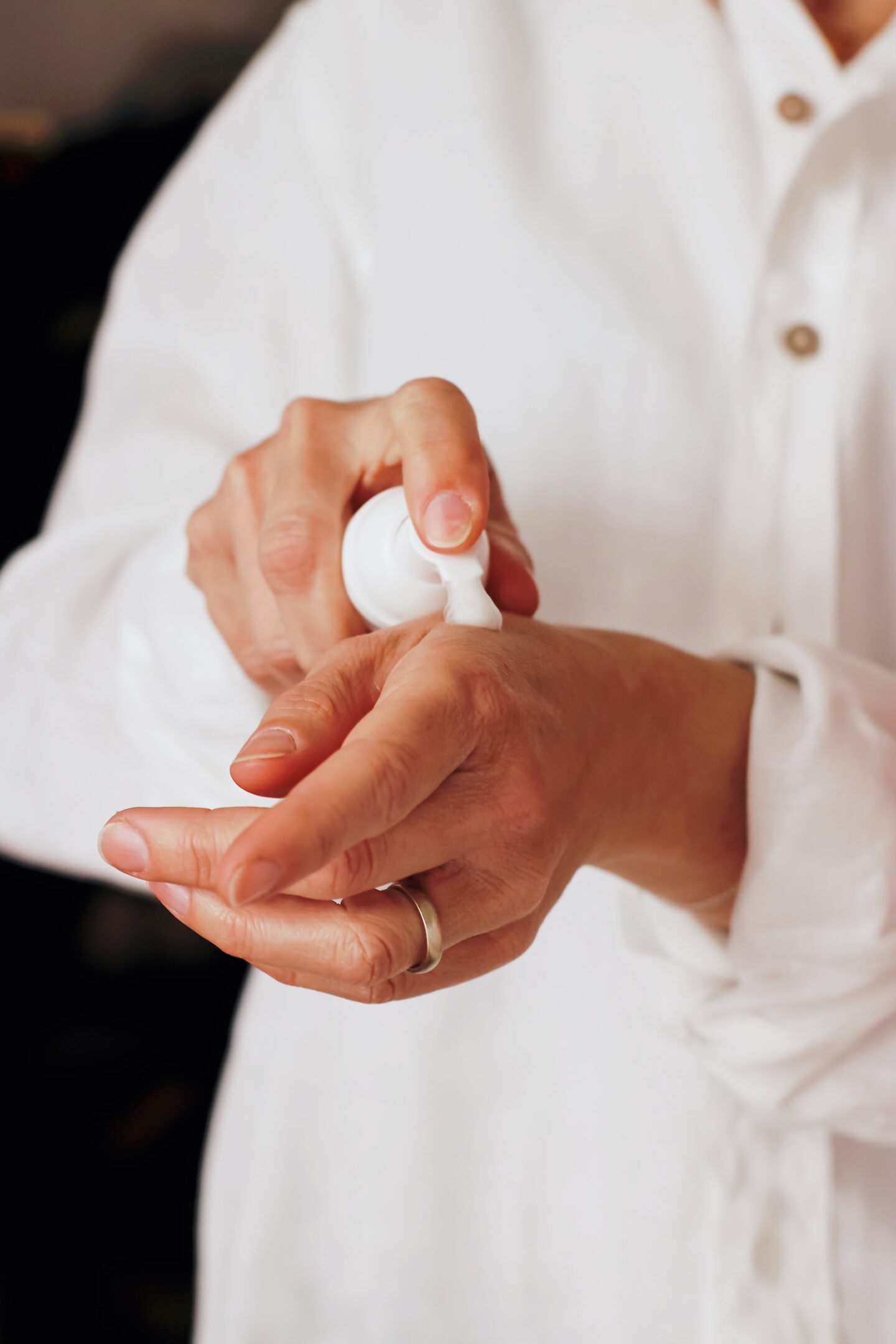
Beauty is one of the most crowded categories on social media, but it also hands out more creator partnerships than almost any other. Makeup, skincare, haircare, nail and fragrance brands spend heavily on influencers because shoppers trust a real person testing a product on real skin far more than a glossy ad. You do not need a million followers to get noticed. You need a clear niche, proof that your audience listens to you, and a professional way of doing business.
Why Brands Want Smaller Beauty Creators Right Now
Beauty products are sold differently than they were a few years ago. TikTok Shop has turned short videos into storefronts, and more than 30,000 beauty brands now compete for attention there. Ulta Beauty joined TikTok Shop in March 2026. The winning brands rarely depend on celebrities. Many send products to hundreds or even thousands of creators each quarter, then put ad money behind the videos that perform best.
That model favors smaller accounts. Recent industry data shows that most brands now prefer micro and mid-tier creators over celebrity partners because their audiences engage more and buy more readily. Some creators with fewer than 20,000 followers have driven millions of dollars in sales for beauty and hair tool brands through affiliate links alone.
Build a Profile Brands Can Actually Find
Brand managers search with keywords, often through discovery tools that use AI to scan profiles. A vague bio like “makeup lover” disappears in the results. A specific one, such as “skincare for acne-prone skin | Chicago | collabs via email,” tells a brand exactly who you serve and how to reach you.
Choose a sub-niche and stay consistent with it. A creator known for honest drugstore foundation tests or curly hair routines is much easier to hire than one who posts a little of everything. Add a business email, your city if you want local salon or retail work, and a link to a simple media kit. Keep that kit short: audience age and location, average views, engagement rate, past collaborations, and formats you offer, such as GRWM videos, tutorials and swatches.
Turn Free Products Into Paid Work
Most beauty creators begin with gifted PR packages. Treat each one like a paid job. Open with a strong hook, name the product clearly, disclose that it was gifted, and post when you said you would. A few days later, send the brand a short note with your views, saves, shares and any comments asking where to buy. That data is what moves you from the PR list to the paid budget. When you follow up, skip the question “do you have a budget?” Pitch a specific package instead: two videos, a clear price, and how long the brand can use the content. Email pitches that mention a recent launch usually beat waiting for DMs.
Know What You Are Selling
Beauty deals come in several forms: flat-fee sponsored posts, affiliate commissions, TikTok Shop sales, UGC videos the brand posts on its own channels, and long-term ambassador retainers. Usage rights matter a great deal. If a brand wants to run your video as a paid ad through your handle, known as Spark Ads or whitelisting, that adds real value and should be priced on top of your base rate. The same goes for exclusivity, where you agree not to promote competing products for a set period. Retainers are the goal for full-time creators. A brand that sees steady results from a couple of paid videos will often agree to a monthly package, giving you predictable income and less time spent hunting for the next deal.



Leave a Reply