
Natural light changes living spaces in ways artificial lighting simply cannot match. The soft glow of sunshine streaming through a ceiling can turn an ordinary room into something extraordinary, creating an atmosphere that feels both uplifting and calming. When daylight fills a space, colours appear more vibrant, textures more defined, and the overall mood noticeably improves.
Many UK homes struggle with dark interiors, particularly during the grey winter months. Traditional windows often provide limited illumination, leaving central areas of the home feeling gloomy and confined. This lack of natural light doesn’t just affect how a space looks, it can influence everything from energy levels and mood to how people use different rooms throughout the changing seasons.
Bringing the sky indoors has become increasingly popular in home design, with various architectural solutions offering options that go beyond conventional windows. These architectural features create dramatic effects by capturing light from above, making even modest spaces feel more expansive and connected to the outdoors. The difference between a room before and after the addition of overhead natural light can be truly striking.
Installing a roof lantern in a kitchen allows sunlight to brighten worktops and dining areas during the day. This makes mealtime and gatherings more pleasant while reducing the need for artificial lighting. In hallways or loft conversions, a skylight can turn a dim corridor into a well-lit passage that feels welcoming. Choosing the right configuration ensures that even compact rooms gain from brighter living environments.
How Natural Light Changes Living Spaces
The benefits of natural light go beyond simple illumination. Research shows that exposure to daylight helps regulate the body’s internal clock. This natural regulation improves sleep quality and boosts vitamin D production, supporting bone health and immune function.
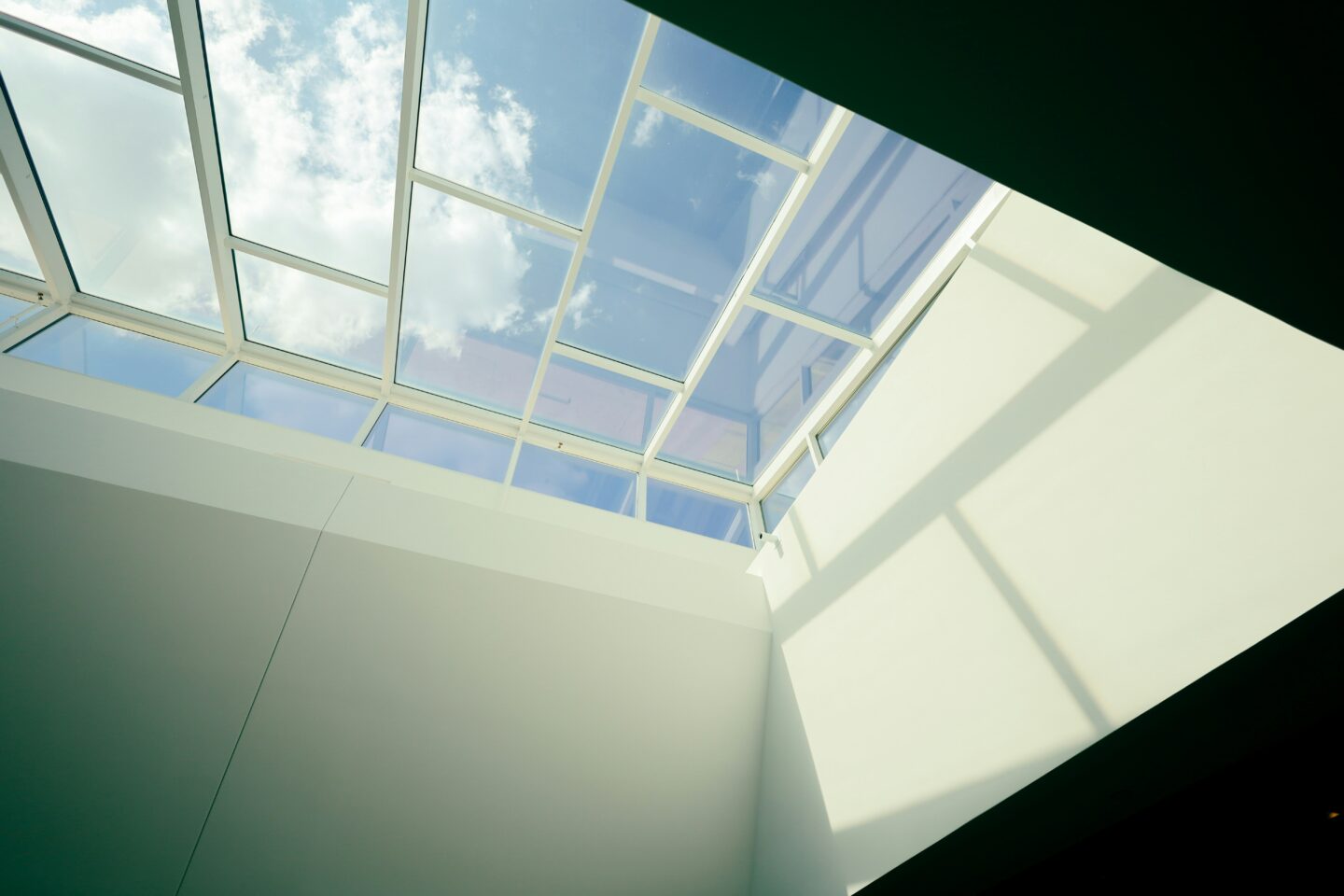
For many UK residents, winter months bring a risk of seasonal affective disorder (SAD), a type of depression linked to reduced sunlight exposure. Homes designed to maximise natural light can help counter these effects by bringing more daylight into living spaces during darker months.
Daylight Systems provide roof glazing solutions that allow overhead light to enter where traditional windows cannot reach. Overhead daylight from these systems distributes brightness evenly and helps reduce dark corners or harsh shadows inside a room.
Spaces that gain the most from overhead daylighting include kitchens, where task lighting is essential, and bathrooms, where natural light provides true colour rendering for grooming tasks. Hallways and staircases, often the darkest areas in a home, can be completely improved with strategically placed skylights.
Modern Daylighting Solutions for UK Homes
Several options exist for bringing natural light into UK homes, each with distinct benefits. Roof lanterns provide a striking architectural feature with pitched glass panels that create a sense of height. These work particularly well in extensions and kitchen areas where they become a stunning focal point.
Flat glass rooflights offer a contemporary, minimalist option that sits flush with the roofline. Their sleek profile makes them ideal for modern homes or where a subtle approach is preferred. For unique spaces, circular rooflights create an interesting design element while drawing in light from above.
Recent advances in roof glazing respond to the UK’s varied climate. Modern glass can reduce unwanted solar heat during warmer months, making living spaces more comfortable without relying heavily on cooling systems. During colder weather, the same glass helps retain indoor heat, keeping rooms cosier.
The energy efficiency of current daylighting solutions is more than just about temperature control. High-performance glass with low emissivity coatings reduces heat transfer and works with thermally broken frames to prevent draughts. These features help rooms stay warm during winter and prevent overheating in summer.
One common mistake is choosing standard glass or frames without thermal protection. This can cause unwanted condensation or cold spots. Opting for specialised glass and insulated frame systems solves this problem and keeps indoor spaces comfortable throughout every season.
Designing Rooms Around Natural Light Sources
Once a daylighting system is installed, thoughtful interior design can make the most of its effect. Furniture placement plays an important role in how light moves through a space. Arranging seating to face natural light sources creates a more pleasant experience. Keeping bulky furniture away from light paths prevents unwanted shadows.
Wall colours greatly affect how light behaves in a room. Lighter shades reflect more light, increasing the brightening effect of skylights or roof lanterns. Soft whites, pale greys, and gentle pastels work particularly well in spaces with overhead glazing.
Reflective surfaces can increase the reach of natural light throughout a room. Glossy tiles, polished worktops, and strategically placed mirrors bounce light into corners that direct sunlight might not reach. This approach works especially well in deeper rooms where light might otherwise fade before reaching the far end.
Real-World Transformations and Practical Considerations
Homes across the UK are choosing daylighting upgrades for both visual impact and practical benefits. Recent industry surveys show that a substantial proportion of UK homeowners now consider natural light a top feature when selecting properties. Natural light ranks as a leading priority for buyers, illustrating this rising demand.
Those who install roof lanterns or skylights often report that living areas feel more spacious and welcoming. This is especially true in kitchens, hallways, or loft conversions. Increasing daylight also allows for reduced daytime use of artificial lights, offering better comfort and potential energy savings.
Looking into an upgrade with modern roof windows or skylights involves reviewing planning rules and permissions. Requirements depend on the property type and location. In many cases, roof lanterns and skylights fall under permitted development rights in the UK. This means formal permission is not always needed.
Choosing a quality daylighting system brings both comfort and lasting rewards. A well-done natural light improvement can attract attention from estate agents. However, its real effect often lies in homeowners’ personal satisfaction. Many report that these upgrades become their favourite aspects of living in the property.
Maintenance is simple with most modern roof glazing options. Many feature self-cleaning glass, where rain and sunlight naturally break down and wash away dirt. Accessible frame designs allow for occasional spot cleaning without special equipment. Selecting products backed by a long warranty gives homeowners reassurance that their investment is protected against defects.
Wrapping Up
Adding natural light to UK homes through roof lanterns, skylights, or rooflights makes a real difference to daily living.
These installations improve both the look and feel of rooms while potentially reducing energy bills and supporting better health during darker months. With modern systems designed for the UK climate and many projects falling under permitted development rights, bringing more daylight into your home has become a practical and worthwhile upgrade.
Most homeowners who make these changes report genuine satisfaction with the results, finding their spaces more comfortable and enjoyable to use year-round.



Leave a Reply