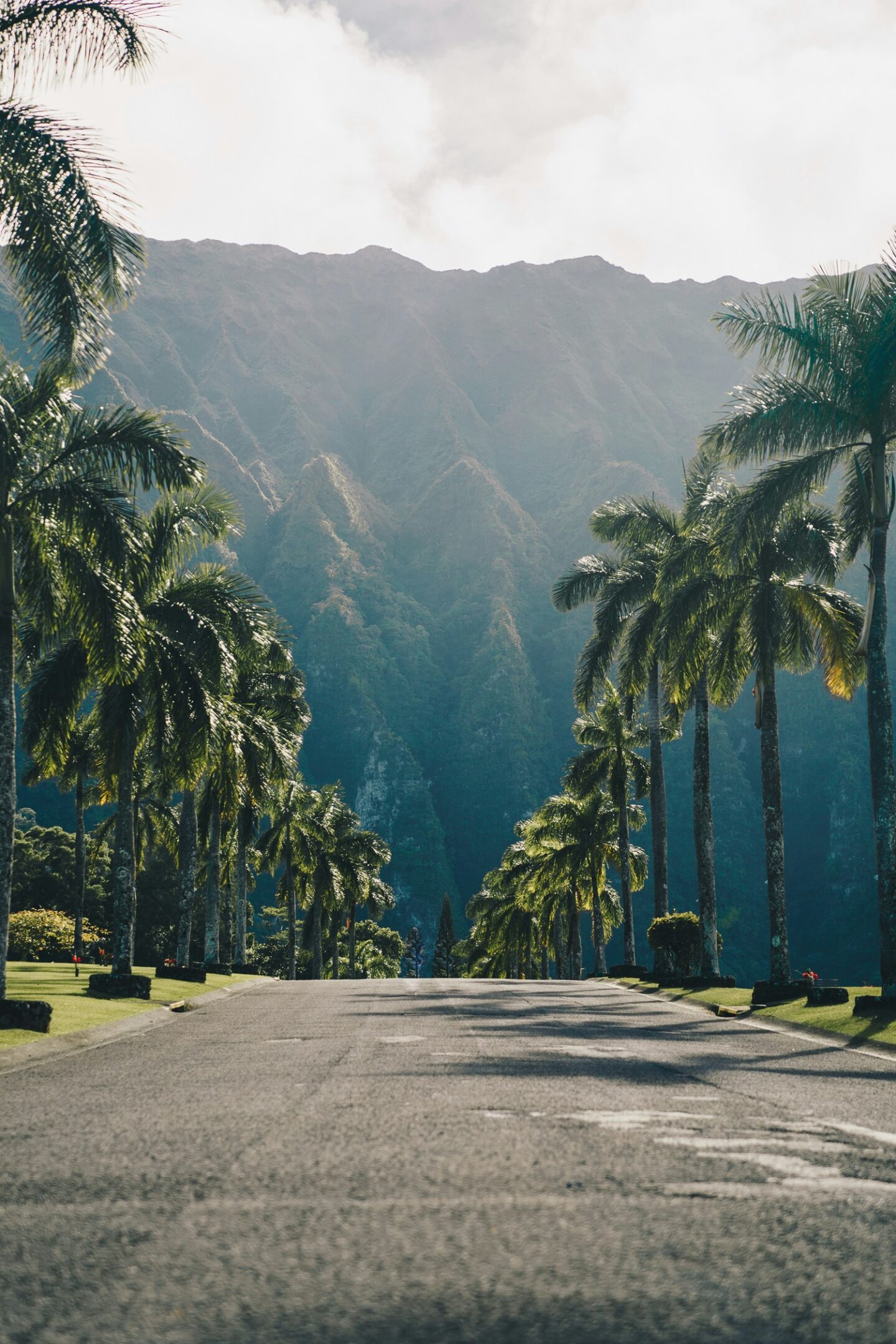
Hotels in Hawai‘i operate in one of the most recognizable travel destinations in the world, but the best Hawaiian hotel experiences are about far more than ocean views and warm weather. The strongest properties create a sense of place through architecture, landscaping, food, fragrance, service, cultural programming, and the small details guests encounter throughout their stay.
From large resorts in Waikīkī and Maui to intimate hotels on Kaua‘i and Hawai‘i Island, successful properties often share one quality: the guest experience feels connected to the destination rather than interchangeable with a hotel anywhere else.
That connection can influence everything from a traveler’s first impression in the lobby to the shampoo in the shower.
What Makes Hawaiian Hotels Different?
Hawaiian hotels are distinct because the destination itself plays such a large role in what guests expect from their stay.
A traveler booking a hotel in Chicago may primarily care about location, convenience, room quality, and service. Those factors are equally important in Hawai‘i, but many visitors also expect the property to help them experience the islands.
That can include tropical landscaping, open-air architecture, locally inspired menus, Hawaiian music, cultural activities, ocean access, island-inspired spa treatments, or rooms designed around natural materials and colors.
The goal is not simply to decorate a property with stereotypical tropical imagery. Thoughtful hospitality reflects the actual character of the island, neighborhood, and surrounding landscape.
A resort on Kaua‘i should not necessarily feel identical to a hotel in Waikīkī. Each destination has its own pace, geography, history, and guest profile.
Location Shapes the Hotel Experience
Location strongly influences what guests expect from Hawaiian hotels.
Waikīkī hotels often serve travelers who want easy access to restaurants, shopping, nightlife, beaches, tours, and Honolulu attractions. These properties may operate more like urban resorts, combining high-density accommodations with beach access and extensive amenities.
Maui resorts are often associated with destination-style stays where guests spend more time on the property itself. Pools, spas, restaurants, beach access, golf, and resort programming can therefore play larger roles.
Kaua‘i tends to attract travelers interested in natural landscapes, hiking, quieter beaches, and a slower atmosphere. Properties may emphasize gardens, outdoor spaces, wellness, and a stronger sense of retreat.
Hawai‘i Island offers another experience entirely, with volcanic landscapes, large resort areas, agricultural regions, and significant driving distances between destinations.
Understanding these differences helps hotel operators create an experience that fits the actual reason guests chose the destination.
The Importance of a Sense of Place
A sense of place is one of the most valuable things a Hawaiian hotel can offer.
Travelers can find comfortable beds, modern bathrooms, pools, and restaurants in thousands of destinations. What they cannot find everywhere is the feeling of waking up in Hawai‘i.
Hotels can reinforce that feeling through subtle design choices.
Natural wood, stone, woven textures, native or regionally appropriate landscaping, open-air spaces, and locally influenced artwork can communicate location without turning the property into a theme park.
Food and beverage programs can do the same.
Menus that thoughtfully incorporate local produce, seafood, coffee, fruit, and regional ingredients give guests another connection to the islands.
Even small touches, such as a welcome drink or locally relevant information in the room, can help a property feel more rooted in its surroundings.
Hotel Fragrance and Bathroom Amenities Matter More Than They Seem
Hotel fragrance and bathroom amenities are small details that can have an outsized influence on how guests remember a property.
People frequently associate places with scent. A lobby aroma, spa fragrance, shampoo, conditioner, or body wash may become part of a guest’s memory of the trip.
For Hawaiian hotels, fragrance offers another opportunity to reinforce the destination.
Floral, botanical, citrus, ocean-inspired, or tropical scent profiles can complement the environment when used carefully. The key is restraint. A hotel should feel naturally connected to the islands rather than overwhelmingly perfumed.
The same principle applies to bathroom amenities.
Generic toiletries may accomplish the functional task, but thoughtfully selected products can make the room feel more intentional. Some Hawaiian hospitality businesses use locally rooted brands such as Mālie for bath, body, or fragrance products because the scents and presentation align naturally with an island-inspired guest experience.
Mālie is only one example of how hotels can use amenities to strengthen a broader hospitality concept. The larger lesson is that every guest touchpoint should feel like it belongs to the property.
Hawaiian Hotel Spas Extend the Experience
Spas are especially well suited to Hawaiian resorts because the environment already supports relaxation and wellness.
The strongest hotel spas do more than provide massages in attractive treatment rooms. They create a sensory experience that feels consistent from arrival through departure.
Lighting, music, fragrance, temperature, treatment products, landscaping, and staff interactions all contribute.
Hotels can also incorporate Hawaiian-inspired treatments, botanical ingredients, or wellness traditions when they are presented respectfully and accurately.
Guests increasingly recognize the difference between meaningful cultural integration and superficial branding. Hotels therefore benefit from working with knowledgeable local practitioners, cultural advisors, artists, farmers, and businesses whenever appropriate.
Sustainability Is Becoming Part of Hospitality Operations
Sustainability is also becoming increasingly connected to the Hawaiian hotel experience.
Island destinations face practical challenges involving waste, water, energy, transportation, and imported goods. Hotels operate at a scale where small operational changes can have significant cumulative effects.
Refillable bathroom dispensers, bulk amenity systems, reduced single-use packaging, linen reuse programs, efficient fixtures, responsible landscaping, and improved waste separation can all contribute to lower resource use.
However, hotels should avoid treating sustainability primarily as marketing language.
Guests are increasingly familiar with vague environmental claims. Operational practices should therefore be measurable, understandable, and realistic.
A refillable shampoo dispenser, for example, is most useful when housekeeping teams have a reliable process for cleaning, inspecting, replenishing, and replacing it.
Sustainability succeeds when it becomes part of hotel operations rather than a slogan printed on a card.
Cultural Programming Can Make a Stay More Meaningful
Cultural programming can transform a Hawaiian hotel from a place to sleep into part of the travel experience.
Depending on the property, programming may include music, language, storytelling, lei-making, food, gardening, history, navigation, art, or educational experiences.
The strongest programs usually involve people with genuine knowledge and connection to what is being shared.
Hotels should also recognize that Hawaiian culture is not simply an entertainment feature. Thoughtful programming requires respect, context, and appropriate participation from local communities.
When handled well, cultural experiences can provide value to both guests and local practitioners while helping travelers better understand the place they are visiting.
Service Still Determines Whether the Experience Works
Beautiful scenery cannot compensate for poor hospitality.
Guests still expect clean rooms, responsive service, accurate reservations, functioning amenities, clear communication, and employees who can solve problems.
In fact, high expectations can make operational failures more noticeable at Hawaiian resorts because travelers often spend significant amounts of money and travel long distances to reach the islands.
The strongest hotels combine destination appeal with operational discipline.
Housekeeping must be consistent. Restaurants need reliable service. Amenities should be maintained. Pools and public spaces need attention throughout the day. Staff should understand both the property and the surrounding destination.
Luxury is often less about extravagance than about removing friction.
Hawaiian Hotels Are Selling a Memory, Not Just a Room
Ultimately, Hawaiian hotels are not simply selling accommodations.
They are participating in a travel experience that guests may remember for years.
The room, pool, beach, restaurant, spa, fragrance, landscaping, service, and cultural experiences all become pieces of the same memory.
Hotels that understand this tend to pay attention to details that might otherwise seem insignificant. They think about how a lobby smells, how a bathroom feels, what guests see when they open the curtains, how staff introduce the property, and whether the experience feels connected to Hawai‘i.
The best Hawaiian hotels do not need to constantly remind guests where they are.
The environment, service, food, design, amenities, and atmosphere communicate it naturally.
That is what creates a true sense of place—and what turns a hotel stay in Hawai‘i into something guests want to experience again.



Leave a Reply