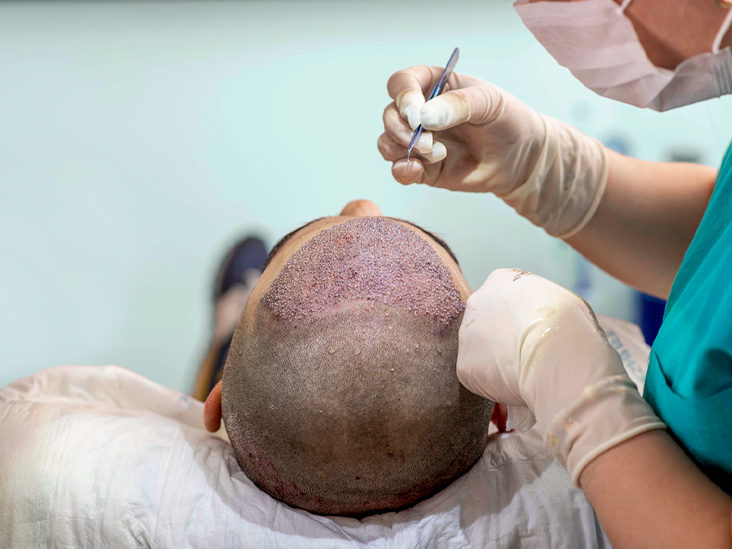
Among many hair restoration methods applied these days are Follicular Unit Extraction (FUE) and Follicular Unit Transplantation (FUT). Deciding between the two might be tricky and stressful, given all the factors involved come into play, such as cost, recovery time, and results. Let’s dive into the differences between FUE and FUT and their distinction to help you know which one of the hair transplant methods fits you.
What are FUE and FUT?
Follicular Unit Extraction (FUE)
This is one of the recent fue hair transplant in which single hair follicles are directly drawn from the donor area at the back of the scalp and then transplanted to those spaces where thinning or balding occurs. It is a less invasive procedure, and small dots are left behind instead of one long thinning line.
Advantages of FUE:
Less Scar Tract: Since FUE takes follicles one by one, then there will be minimal scarring, thus perfect for those who have a short hair cut.
Quick Recovery: A patient usually takes less pain and has a fast recovery cycle with FUE compared to FUT.
Natural Outcome: FUE makes it possible for more natural hair growth since the surgeon can actually choose the best to be used in the process.
Versatility: FUE may be done on the different body parts, meaning that hair restoration is also possible beyond the scalp.
Follicular Unit Transplantation
FUT, or strip method, requires a strip of the scalp at the donor site, which then breaks into separated follicular units for transplantation. Even though this provides a greater amount of grafts in one session, it does leave a linear scar.
Benefits of FUT:
Greater Graft Production: FUT can produce a greater number of grafts in one session; hence, it is suited for patients with high baldness.
Cost-Effective: Generally speaking, FUT is less expensive than FUE, hence more achievable by patients who need to be cost-frugal.
Fewer Time-Consuming in Preparation of Grafts: The acquisition of grafts may be more swift than in FUE since a single strip removal would serve than to extract the follicles individually.
Comparing Costs
Another significant concern is the cost. Hair transplantation FUE may cost a lot or a little, depending on the clinic, the surgeon, and the number of grafts needed. Such a treatment might cost anything from £3,000 in the UK to £10,000 or above. Usually, many factors are involved, including reputation, technology, and location.
Whereas FUT is costly, with a sum of £2,000 to £8,000 on average. Even though FUT costs are relatively smaller, you would have to balance the price against long-term satisfaction and the outcome that you want.
Recovery and Aftercare
FUE Recovery
Generally, patients are able to return to most normal activities within several days after an FUE hair transplant uk. The scar typically is small and heals completely for most patients by the end of the week or before. Most patients are often able to manage discomfort with over-the-counter pain medication if it occurs, although it does for most patients, and usually, a short period of avoiding strenuous exercise is recommended to ensure proper healing.
FUT Recovery
Recovery from FUT usually takes longer, and swelling and pain are more noticeable in the first days. Special care must be applied to this straight scar, as the patient will have to keep away from full physical activity for at least two weeks. But after recovery, results can be just as fulfilling as those of FUE.

Selection of the Right Clinic
Whichever method you choose, make sure that the clinic where you will undergo follicular unit extraction is of good quality. Their surgeons must have considerable experience. Their patients’ experience must be positive, and they should have some portfolio of successful cases. You also need to find out whether your clinic complies with the standards for safety and hygiene.
Countless clinics in the UK deal with FUE and FUT. After reviewing all those options and making appointments, you can decide on the clinic that best suits your needs and budget.
Choosing Between FUE and FUT
The choice between FUE and FUT depends on several personal factors. Some of them include:
Extensiveness of Hair Loss: If you are affected by extreme hair loss, you will need a high number of grafts. You might, therefore, need FUT, especially if you need many grafts.
Scarring Issues: If you are a short-haired person, you will be more concerned about the visible scars, and FUE is probably your best bet.
Budget: Budgeting is a big concern; look at overall cost compared to its yield and the longevity of the treatment done.
Getting Your Specialist
Discuss with a hair restoration specialist before finalizing, as they will analyze your case specifically, explain to you the outcomes you would like to achieve, and aid you in making the best choice about the subject matter for your particular case. The complicated analysis and personalized treatment guarantee the desirable outcome completely.
Conclusion
The FUE or FUT hair transplant finally depends on personal choices and budgeting. Of course, both techniques have their pros and are capable of yielding some outstanding results if applied by a good doctor. Regardless of which is your choice more modern yet invasive FUE or the less expensive FUT most essential to obtaining the best results lies in finding the right clinic with your surgeon of choice. You can then make the well-informed decision that results in a full head of entirely natural-looking hair.



Leave a Reply