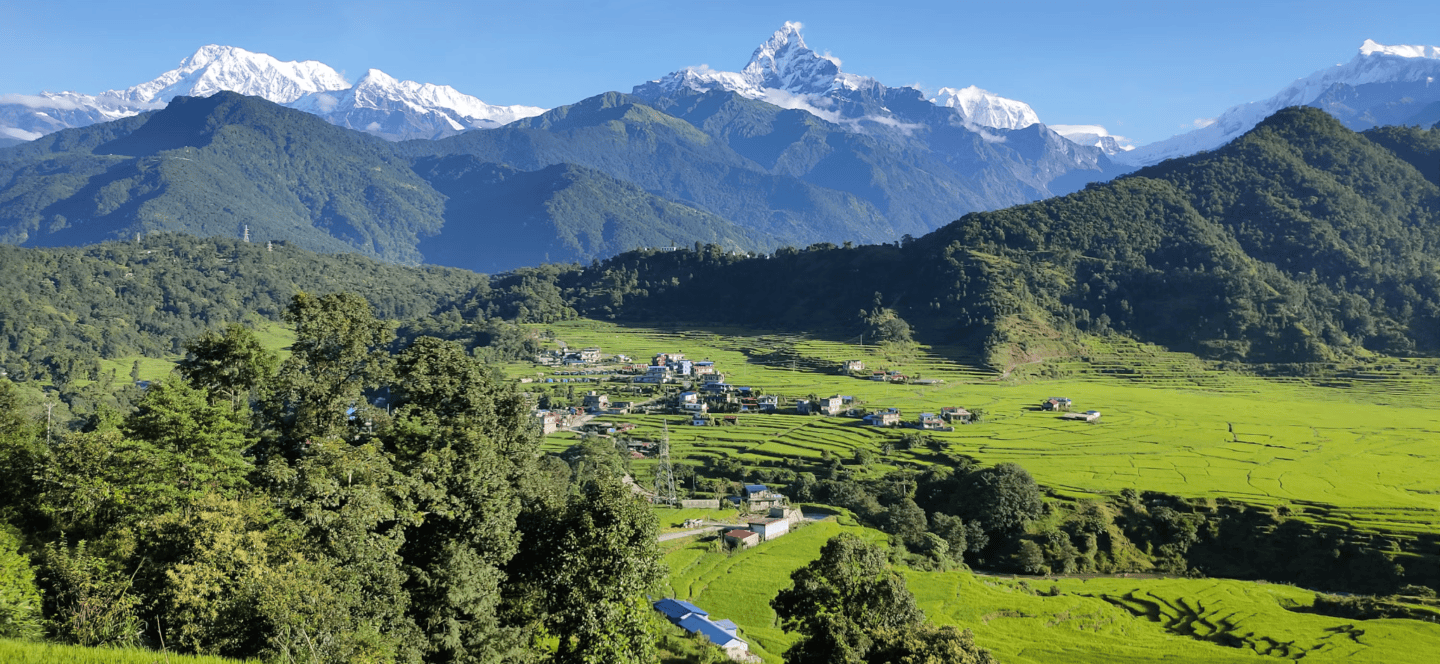
Finding the Right Trekking Experience in Nepal
Nepal fits a ridiculous amount of variety into one stretch of Himalaya. One week you’re ambling through rhododendron forest on a friendly valley trail, and the next you’re crossing a 5,000-metre pass with frost on your eyelashes. That range is exactly why picking among the best treks in Nepal gets confusing so fast.
Mountain views are only part of the decision. Altitude, number of days, fitness, culture, teahouse comfort and budget all tug in different directions. This guide looks at five routes: the Everest Base Camp Trek, the Annapurna Base Camp Trek, the Manaslu Circuit Trek, the Langtang Valley Trek and the Everest Three Passes Trek. We’ll compare the scenery, talk about the people who live along each trail, and get realistic about package costs, so you can work out which one actually suits you.
Understanding Nepal’s Trekking Regions and Mountain Landscapes
Everest, Annapurna, Langtang and Manaslu: What Makes Each Region Different?
The Everest region is Sherpa country: stone villages, Buddhist monasteries, glaciers and big, bare mountain terrain. Annapurna feels softer at first. Forests, terraced hills and Gurung and Magar villages give way to proper alpine views. Manaslu is the remote one, with Tibetan-influenced settlements and simpler trekking infrastructure. Langtang sits close to Kathmandu, with Tamang heritage, yak pastures and traditional villages.
Geography shapes everything here. How you reach the trailhead, how developed the lodges are and which communities you meet all change the feel of the walk, sometimes more than the peaks do.
Everest Base Camp Trek: Walking Through Sherpa Villages Towards the World’s Highest Mountain
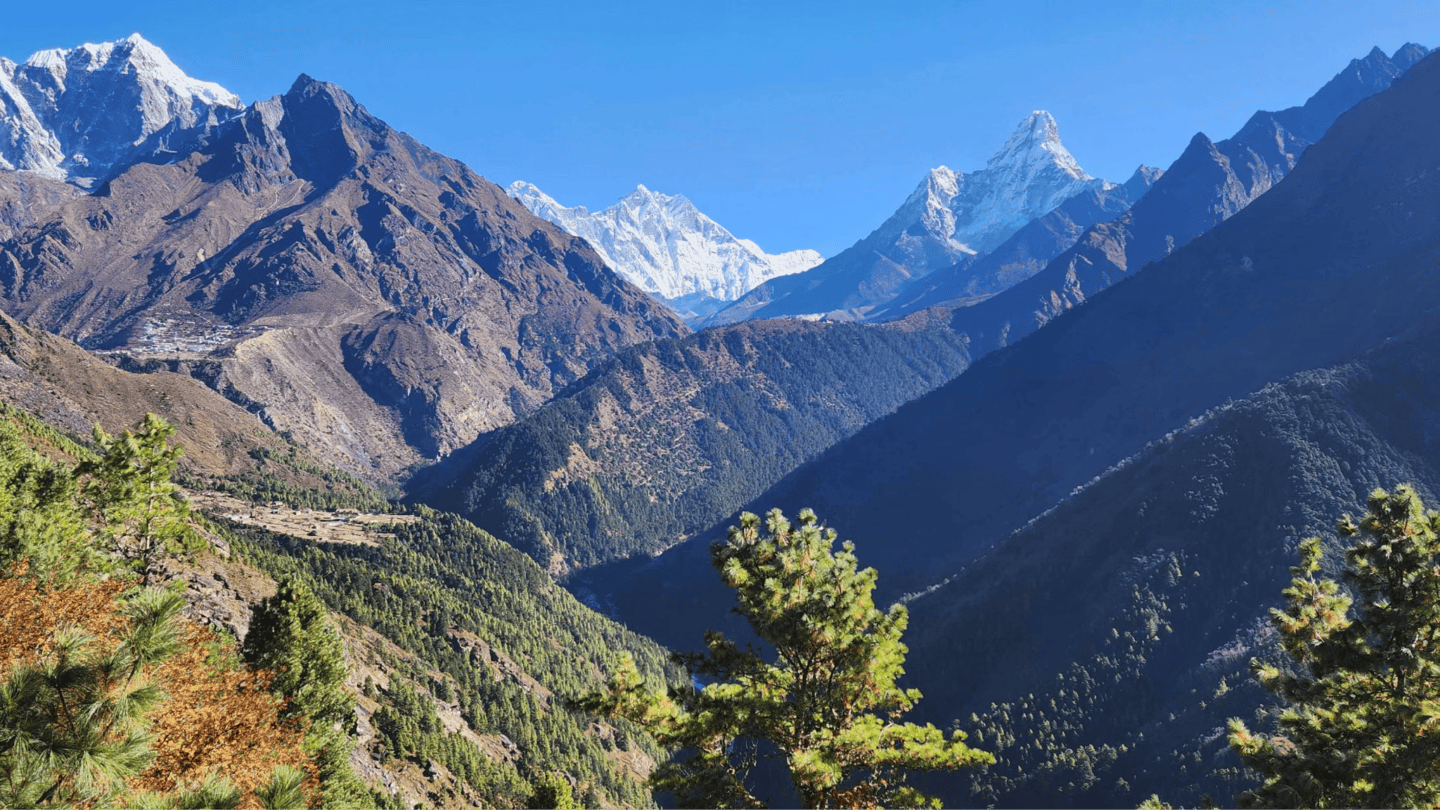
Everest Base Camp Trek Route, Duration and Major Stops
Most people start with the flight from Kathmandu to Lukla, a short, slightly nerve-racking hop onto a mountainside airstrip. From there, the trail climbs through Phakding, Namche Bazaar, Tengboche, Dingboche and Lobuche before reaching Gorakshep. This classic Everest Base Camp Trek follows ancient Sherpa trails through traditional mountain villages, Buddhist monasteries and dramatic Himalayan landscapes, eventually reaching Everest Base Camp itself at roughly 5,364 metres. The better view, honestly, comes from Kala Patthar at around 5,545 metres, where the Everest panorama opens up properly.
Expect roughly 12 to 14 days overall. Acclimatization days aren’t optional extras; they’re the reason trekkers give their bodies time to adjust to the altitude and improve their chances of completing the journey safely.
Sherpa Culture, Monasteries and Everyday Mountain Life
Namche Bazaar is the busy trading hub where you’ll rest and adjust to the altitude. Further along, Tengboche Monastery gives a real sense of Buddhist life in the mountains. Prayer flags, mani walls and warm teahouse hospitality are everywhere. Trekking income supports local lodges, guides, porters and small businesses, so a lot of the valley’s everyday economy runs through the trail.
Everest Base Camp Trek Package Costs and Practical Considerations
A package typically bundles flights, accommodation, meals, permits and a guide or porter. Budget, standard and premium options differ mostly in lodge quality, group size and support level. Weather can delay Lukla flights, and altitude sickness is a genuine risk, so insurance and a few spare days in your schedule are worth far more than a slightly cheaper quote.
Annapurna Base Camp Trek: Mountain Amphitheatres, Forest Trails and Gurung Heritage
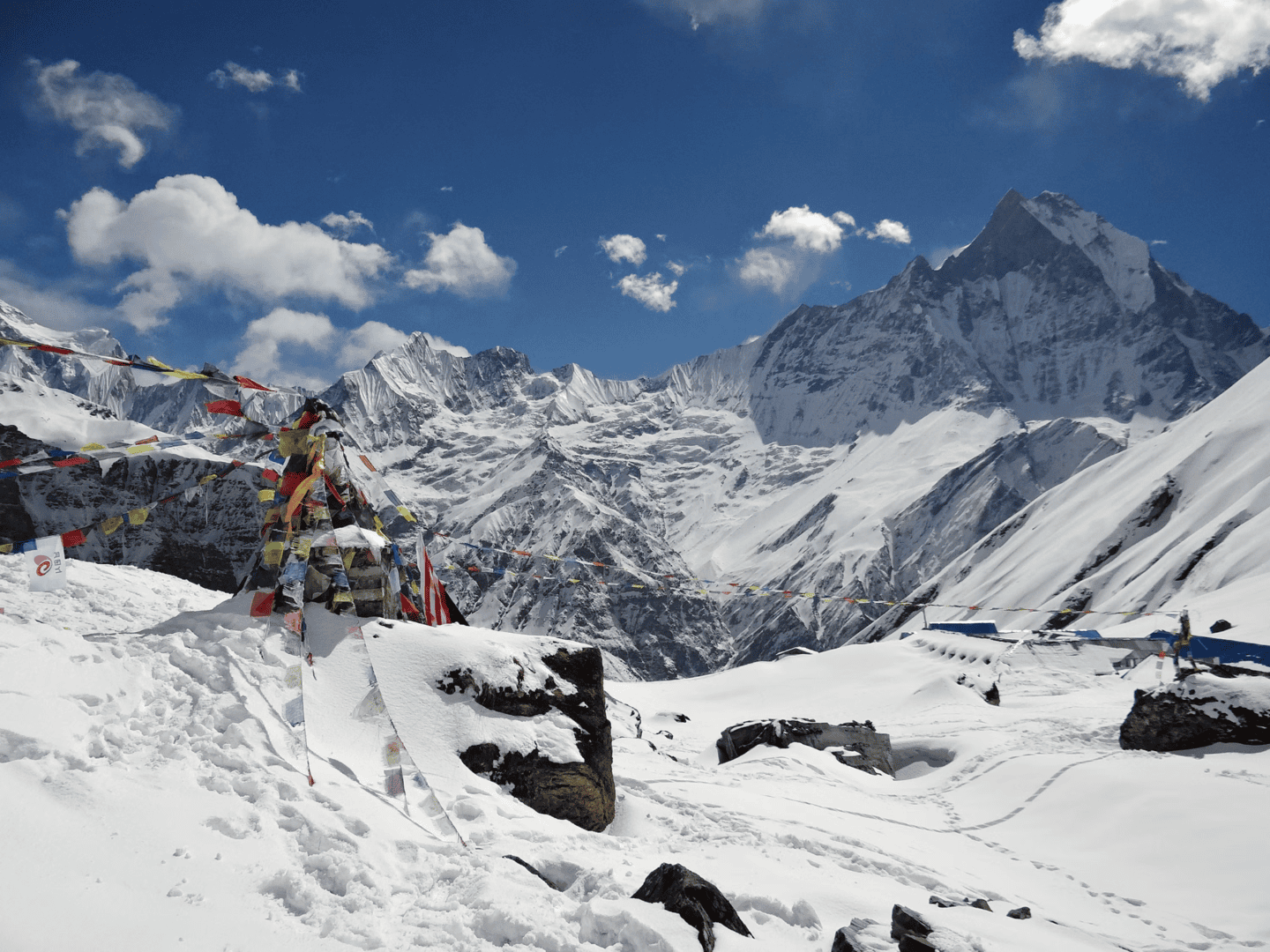
Annapurna Base Camp Trek Route and Mountain Scenery
Depending on the itinerary, trekkers begin at Nayapul, Ghandruk or another access point. The trail then passes through Chhomrong, Bamboo, Dovan and Deurali, with Machhapuchhre Base Camp just before the finish. The Annapurna Base Camp Trek takes you into the heart of the Annapurna Sanctuary, where the trail gradually opens into a natural amphitheatre surrounded by giant Himalayan peaks. Annapurna Base Camp sits at about 4,130 metres, inside a ring of towering mountains.
The walk itself is varied. Forest paths, river valleys, suspension bridges and waterfalls change the scenery almost daily. Along the way, you’ll see Annapurna I, Machhapuchhre, Hiunchuli and plenty of neighbouring summits. Most itineraries run 7 to 12 days.
Expect roughly 12 to 14 days overall, depending on your route and travel arrangements. Acclimatisation days aren’t optional extras; they help your body adjust to the altitude and improve your chances of completing the trek safely.
Gurung Villages, Local Food and Cultural Experiences
Gurung settlements here are tidy, stone-built and strongly rooted in tradition, and Ghandruk is probably the best-known example. Dal bhat is the standard teahouse meal, and you’ll see farming life continue right beside the trail. Trekking tourism has become a major source of income for many rural families in the area.
Annapurna Base Camp Trek Cost, Accommodation and Best Planning Considerations
Packages normally cover accommodation, meals, transport, permits and trekking staff. Arranging things independently can cost less on paper, though you take on the logistics yourself. Teahouses are simple but dependable, with facilities getting more basic as you climb. Moderate fitness, sensible altitude awareness and good timing, mainly spring or autumn, make the trek far more enjoyable.
Manaslu Circuit Trek: Remote Himalayan Valleys and Tibetan-Influenced Mountain Culture
Route Highlights and Larkya La Pass
The trek usually starts around Soti Khola or Machha Khola and follows the river through Jagat, Deng, Namrung, Samagaun and Samdo. The scenery shifts from gorges and forest to alpine terrain, then the Larkya La Pass at roughly 5,106 metres.
Local Traditions and Manaslu Trekking Package Costs
Tibetan-influenced architecture, monasteries and Buddhist customs shape village life. Lodges are basic and far apart. Because it’s a restricted area, you need special permits and must go through an authorized agency. Costs reflect that: guide, permits, accommodation, meals and transport all add up.
Langtang Valley Trek: Tamang Culture, Alpine Meadows and Accessible Himalayan Scenery
Langtang Valley Route and Main Attractions
You travel by road from Kathmandu to Syabrubesi, then walk through Lama Hotel and Langtang Village to Kyanjin Gompa. Forests, yak pastures and glaciers surround the trail. Many trekkers add Tserko Ri for higher mountain views.
Tamang Heritage and Trekking Costs
Tamang culture, Buddhist practice and friendly hospitality define the valley, and Kyanjin Gompa has a wonderful mountain setting. Expect to pay for transport, lodging, food, a guide and permits. It’s a good pick if you want a shorter Himalayan holiday.
Everest Three Passes Trek: A Challenging Route for Experienced Mountain Trekkers
Kongma La, Cho La and Renjo La: Understanding the Three Passes
Kongma La stands at about 5,535 metres, Cho La at about 5,368 metres and Renjo La at about 5,360 metres. Together they link Everest Base Camp, the Gokyo Valley and surrounding settlements in one loop. It’s long, demanding and needs careful acclimatization.
Who Should Attempt the Everest Three Passes Trek?
This one suits people with earlier high-altitude experience, solid fitness and proper gear. Build in extra days for weather. Packages cost more because the itinerary is longer and the logistics heavier.
Comparing the Best Treks in Nepal: Routes, Difficulty, Duration and Altitude
Here’s a quick side-by-side view to help you narrow things down.
| Trekking Route | Highest Point | Difficulty | Typical Duration |
| Everest Base Camp | 5,545 m (Kala Patthar) | Moderate to challenging | 12–14 days |
| Annapurna Base Camp | 4,130 m | Moderate | 7–12 days |
| Manaslu Circuit | 5,106 m (Larkya La) | Challenging | 14–18 days |
| Langtang Valley | Around 4,984 m (Tserko Ri) | Moderate to challenging | 7–10 days |
| Everest Three Passes | 5,535 m (Kongma La) | Very challenging | 17–21 days |
Durations are indicative and depend on the starting point, itinerary, acclimatization schedule and individual pace.
Nepal Trekking Package Costs: What Should Travelers Budget For?
What Is Usually Included in a Trekking Package?
Most packages include a licensed guide, porter arrangements, teahouse stays and meals, permits, ground transport and domestic flights where needed, plus planning support from the agency. Always check the exact inclusions, because they vary.
Additional Expenses to Consider
Budget separately for international flights, your Nepal visa and insurance covering high-altitude trekking. Add personal gear, hot showers, Wi-Fi, charging and snacks. Tips, emergencies and extra nights in Kathmandu or Pokhara can quietly stretch the total.
Choosing a Reliable Trekking Company
Look for proper registration, experienced guides and clear inclusions. Ask how emergencies and altitude problems are handled. Compare itineraries rather than just prices. Adventure Great Himalaya is one trekking company travelers can consider while researching organized Himalayan arrangements.
Best Seasons for Trekking in Nepal: Weather, Visibility and Trail Conditions
Spring and Autumn Trekking Conditions
Spring, from March to May, brings warmer days and blooming rhododendron forests, though mountain conditions can shift. Autumn, from September to November, usually offers clearer skies and is the most popular window.
Winter and Monsoon Considerations
Winter is cold, with possible snow and tough high passes. The monsoon means rain, cloudy views, slippery trails and landslide risk. The best season really depends on the region and route you choose.
Practical Preparation: Permits, Altitude, Accommodation and Responsible Trekking
Check the permits your route needs before you book. Give your body time to acclimatize and learn the signs of altitude sickness. Pack sensible clothing, broken-in footwear and personal medication. Make sure insurance covers your planned altitude and emergency evacuation. Respect local customs, cut down on plastic and spend money in village businesses.
Which of Nepal’s Himalayan Treks Is Right for Your Travel Plans?
Choose Everest Base Camp for Everest history and Sherpa culture. Annapurna Base Camp suits anyone who wants mountain scenery, forests and village life together. Manaslu Circuit is for remote trails and Tibetan-influenced culture, while Langtang Valley works well as a shorter Himalayan trek. The Everest Three Passes Trek is best left to experienced trekkers wanting a harder adventure.
Frequently Asked Questions About the Best Treks in Nepal
Which are the best treks in Nepal for first-time trekkers?
The Annapurna Base Camp Trek and the Langtang Valley Trek are common first choices. Everest Base Camp is possible too with good preparation.
How much does trekking in Nepal usually cost?
It depends on the route, length, comfort level and agency. Longer, remote or restricted-area treks cost more, so request a detailed quote.
Is the Everest Base Camp Trek harder than the Annapurna Base Camp Trek?
Generally yes. It goes higher, lasts longer and demands more careful acclimatization.
What is the best month to trek in Nepal?
Spring and autumn are the safest bets, with October and November especially popular.
Do I need a guide for trekking in Nepal?
For restricted areas like Manaslu, yes. For other routes, a guide adds safety, local insight and logistical help.
Which Nepal trek offers the best cultural experience?
Everest gives Sherpa culture, Manaslu offers Tibetan-influenced traditions, Annapurna highlights Gurung villages and Langtang showcases Tamang heritage.



Leave a Reply