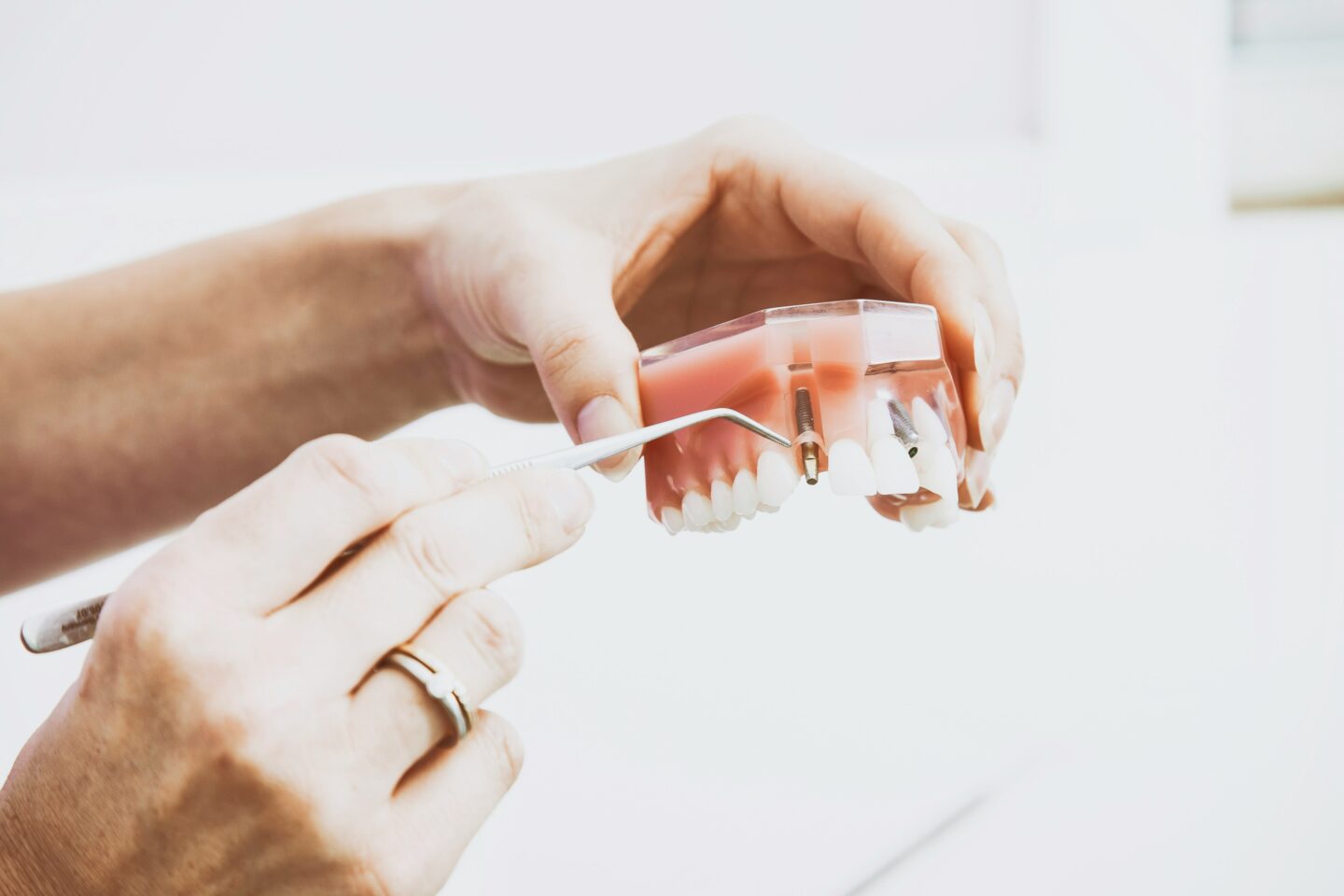
Walking out of the dentist’s chair with a new crown brings relief, but also responsibility. The procedure itself marks just the beginning of a relationship that could last decades, or unfortunately, just a few years. The difference often lies not in the quality of the restoration itself, but in how well you care for it afterwards.
Many patients assume that once a crown is fitted, their job is done. This thinking proves costly. Crowns need attention, protection and maintenance to deliver their full potential. Understanding how to look after your restoration properly determines whether you’ll enjoy twenty-five years of reliable service or find yourself back in the dentist’s chair far sooner than expected.
Understanding what you’re protecting
What a dental crown actually does
A crown functions as a custom-made helmet for a damaged tooth. When decay, fractures or wear have compromised a tooth’s structure, the crown restores both its shape and strength. Modern crowns blend seamlessly with your natural teeth, mimicking their colour, texture and translucency so effectively that even you might forget which tooth has been restored.
Realistic expectations for crown longevity
Most dental crowns serve faithfully for ten to fifteen years, though some patients enjoy their restorations for twenty-five years or longer. The wide variation isn’t random – it reflects differences in oral hygiene, dietary habits, lifestyle factors and how conscientiously aftercare guidelines are followed.
Location matters too. Crowns on back teeth endure greater chewing forces than those on front teeth, whilst individual factors like teeth grinding can dramatically shorten a crown’s working life.
Why crowns fail before their time
Crown failure rarely happens overnight. Poor oral hygiene allows decay to develop around crown margins, where the restoration meets natural tooth structure. Excessive force from grinding or clenching can crack porcelain or loosen the cement holding everything in place.
Hard foods pose particular risks to ceramic materials, whilst sticky substances can tug at crown edges. Perhaps most significantly, neglecting regular dental visits means small problems go unnoticed until they require expensive solutions.
The critical first days
Adjusting to your new crown
Your mouth needs time to accommodate its new resident. Mild sensitivity to temperature and pressure during the first few days is perfectly normal as tissues settle around the restoration. The local anaesthetic will wear off within hours, so avoid eating until full sensation returns – biting a numb tongue or cheek creates unnecessary complications.
Temporary crown precautions
If you’re wearing a temporary crown while waiting for your permanent restoration, extra caution pays dividends. Temporary crowns use weaker cement designed for easy removal, making them more vulnerable to dislodgement.
Sticky foods like toffee, chewing gum or soft caramels can grab onto crown edges and pull them loose. Try to chew on the opposite side of your mouth, and avoid foods that require excessive force or stickiness until your permanent crown is fitted.
Managing post-procedure sensitivity
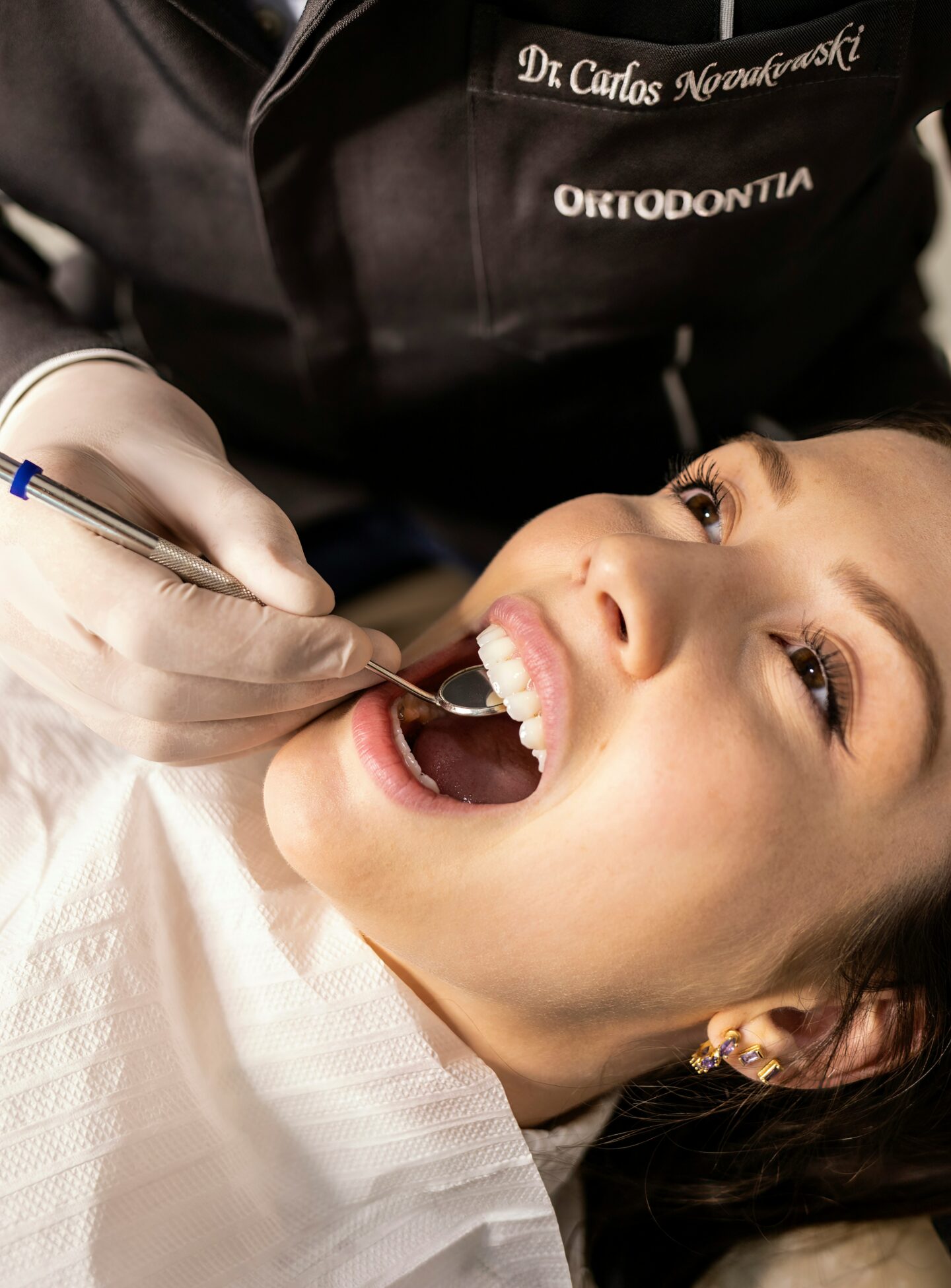
Some temperature sensitivity after crown placement is expected and usually resolves within a week or two. The underlying tooth may react to hot or cold foods as it adjusts to its new covering. Using toothpaste designed for sensitive teeth can help, as can avoiding extreme temperatures in food and drinks.
If sensitivity persists beyond two weeks or becomes more severe rather than gradually improving, contact your dentist. This could indicate that the crown’s fit needs adjustment or that the underlying tooth requires attention.
Daily maintenance that makes the difference
Brushing with purpose
Crown care begins with intelligent brushing technique. Use a soft-bristled brush with fluoride toothpaste, paying particular attention to the junction where crown meets gum line. This area attracts plaque and bacteria, making it vulnerable to decay and gum irritation.
Angle your brush towards the gum line and use gentle circular motions rather than aggressive scrubbing. Harsh brushing damages gum tissue and can create microscopic scratches on crown surfaces where bacteria can accumulate.
The flossing dilemma
Many patients worry about flossing near crowns, fearing they might accidentally dislodge the restoration. This fear, while understandable, often does more harm than good. Properly cemented permanent crowns won’t come loose from careful flossing, but avoiding flossing altogether invites gum disease and decay.
Slide floss gently between teeth, curve it around each tooth’s base, and move it up and down to remove plaque and food particles. When removing floss, pull it sideways rather than straight up to avoid catching crown edges.
Product selection matters
Choose non-abrasive toothpaste to protect porcelain crown surfaces from scratching. Whitening toothpastes often contain harsh abrasives that can dull crown surfaces over time, so standard fluoride toothpaste proves a safer choice.
An antimicrobial mouthwash helps reduce bacteria around crown margins, but shouldn’t replace proper brushing and flossing. For personalised product recommendations and comprehensive guidance on crown care, consulting with a private dentist in Upminster can provide advice tailored to your specific restoration and oral health needs.
Foods and habits that threaten your investment
Dietary dangers for crowns
Certain foods pose genuine risks to crown integrity. Hard substances like ice cubes, unpopped popcorn kernels, hard sweets and nuts can crack or chip ceramic materials. Sticky foods such as caramels, toffees and certain granola bars can pull at crown edges, potentially loosening the cement underneath.
This doesn’t mean these foods are permanently off-limits, but they require mindful consumption. When eating harder foods, chew slowly and use your back teeth rather than biting directly with crowned front teeth.
Breaking destructive habits
Bruxism – grinding or clenching teeth – creates enormous pressure that can damage even the strongest crowns. Many people grind their teeth during sleep without realising it, waking with jaw tension or headaches that hint at nocturnal activity.
If you suspect nighttime grinding, discuss a custom night guard with your dentist. Similarly, habits like nail biting, pen chewing or using teeth to open packages place unnecessary stress on restorations and natural teeth alike.
Strategic eating approaches
When you do encounter harder foods, approach them strategically. Cut corn off the cob rather than biting directly into it. Break apples into manageable pieces instead of biting through the skin with your front teeth. These small adjustments reduce stress on crowns whilst allowing you to enjoy a varied diet.
Long-term protection strategies
Professional monitoring
Maintaining crowns requires professional oversight that home care cannot provide. Six-monthly check-ups allow your dental team to examine crown condition, verify the seal between crown and tooth, and remove hardened plaque deposits that accumulate despite careful brushing.
Professional cleanings play a particularly crucial role for crowned teeth, as the junction between restoration and natural tooth structure needs regular attention to prevent problems developing.
Warning signs to watch for
Learning to recognise early warning signs prevents minor issues becoming major problems. Persistent sensitivity, pain when biting, a loose feeling or visible cracks all warrant professional evaluation. Dark lines appearing near the gum line or rough edges that catch your tongue also indicate potential problems.
Don’t ignore these symptoms hoping they’ll resolve themselves – early intervention almost always proves simpler and less expensive than delayed treatment.
When to seek immediate help
Some crown problems require urgent attention rather than waiting for your next scheduled appointment. A crown that feels loose needs immediate evaluation to prevent damage to the underlying tooth. Complete loss of a crown, severe pain or swelling around a crown also constitute dental emergencies.
Whether you receive care through an NHS dentist or private practice, addressing crown problems quickly prevents more extensive and costly complications from developing.
Material-specific care considerations
Porcelain and ceramic crowns
Porcelain crowns offer excellent aesthetics but require gentle treatment due to their ceramic nature. While they closely mimic natural tooth appearance, porcelain can chip under excessive force more readily than metal alternatives.
This doesn’t make porcelain crowns fragile, but it does mean avoiding particularly hard foods and being mindful of grinding habits that could damage the material over time.
Metal and gold crowns
Metal crowns, including gold alloys, offer exceptional durability and typically last longer than ceramic alternatives. They require less tooth structure removal during preparation and resist fracture better than porcelain options.
Standard crown care principles apply, with the advantage that metal crowns tolerate slightly more aggressive forces. However, they’re typically reserved for back teeth where aesthetics matter less.
Zirconia: The balanced option
Zirconia crowns combine strength with aesthetics, offering durability that approaches metal crowns whilst maintaining natural appearance. They resist chipping better than traditional porcelain while looking more natural than metal alternatives.
Standard aftercare applies, with the added confidence that zirconia handles the substantial forces generated by back teeth particularly well.
Maximising your investment
Protecting your crown investment comes down to consistent, thoughtful care combined with professional support. Daily brushing and flossing prevent problems from developing, whilst regular dental visits catch issues early when they’re still simple to address.
Avoid habits and foods that stress your restoration unnecessarily, and don’t hesitate to contact your dentist if something doesn’t feel right. Even minor adjustments made early can prevent major problems later.
Your crown represents restored function, improved appearance and preserved oral health. Treating it with the same care you’d give healthy natural teeth ensures it serves you reliably for decades. The daily attention you invest now prevents costly repairs or replacement procedures down the road.
Remember that successful crown care requires partnership between you and your dental team. Stay proactive about maintenance, follow these care guidelines consistently, and ask questions during appointments. Your dentist wants your crown to succeed every bit as much as you do.
If you haven’t yet established a thorough daily routine or need guidance specific to your restoration, now represents the perfect opportunity to develop habits that will serve you well for years to come. Prioritising crown care ensures your smile remains healthy, functional and confident well into the future.



Leave a Reply