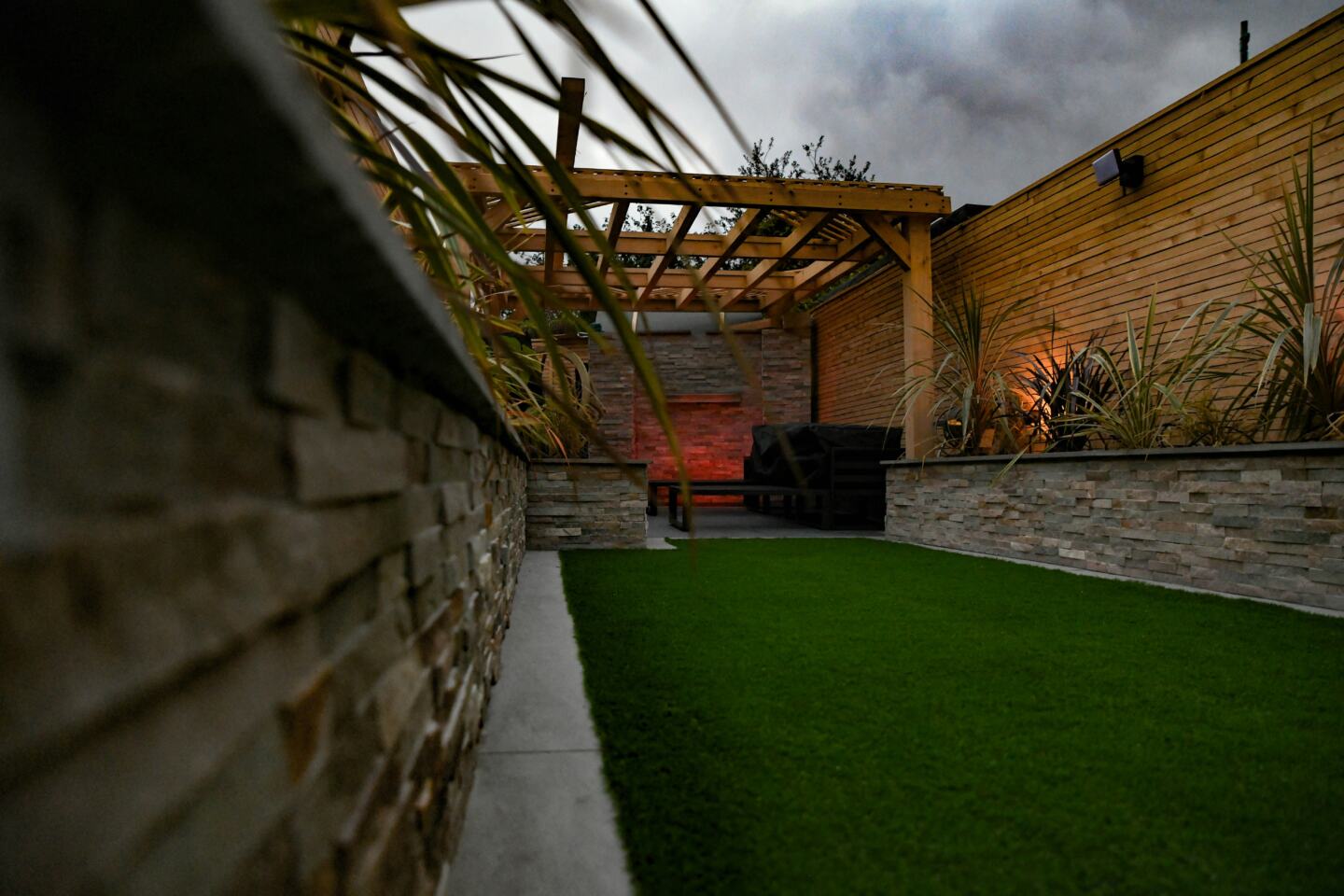
The interest in outdoor structures has skyrocketed in recent years, people are steadily more concerned with transforming their outdoor spaces into an extension of their home.
There has been a massive increase in demand for wooden garden furniture, pergolas, and garden decking, which makes it clear that people are much more interested in enhancing their outdoor spaces than ever before.
If this sounds like you, then there are a multitude of factors to consider before, during and after you begin undertaking one of these projects. As you want your timber structure to have the longest shelf life possible, making good choices in regards to materials, maintenance, tools and finishes is paramount to the success of your project.
Material Choice
Choosing the right material is arguably the most important factor to consider when going ahead with your outdoor project. The material either makes or breaks the aesthetic of your project. Further, the material choice directly impacts durability, longevity and sustainability.
Timber can be divided into hardwoods and softwoods, each with its own unique properties, pros and cons.
Softwoods:
Pine:
Benefits include:
Pine is a very cost-effective timber to purchase; on top of this, due to its soft grain, it is easy to work with. Sawing, drilling and working this type of wood is a very straightforward process. Pine wood should be pressure-treated if it is to be used outdoors, making it resistant to moisture, mould and insects. Pine is a fast growing material, making it a sustainable choice, as more trees can quickly be grown as a replacement.
Drawbacks include:
If the end cuts of the pine timber are not sealed properly, the wood can absorb moisture, which can cause warps and cracks. Pine also needs to be stained, painted or sealed every 1-2 years to continue to protect against rot and decay.
Cedar:
Benefits include:
Cedar has a rich, reddish-brown look which has a very desirable aesthetic appeal. It also possesses natural repellent properties against both water and insects, so there is no need to pressure treat this timber, unlike pine. Cedar is also lightweight and easy to work with, making it a good choice for DIYers of any experience.
Drawbacks include:
If you want to maintain the natural reddish-brown colour of cedar, you need to seal and stain it – otherwise it will fade to a silver-grey over time. Cedar is relatively soft and can be easily dented under impact, and it is also more expensive than other softwoods such as pine.
Hardwoods:
Teak:
Benefits include:
Teak is very dense, heavy and strong, making it extremely durable – known to last upwards of 25 years outdoors with minimal treatment. With a high oil content, water is repelled from the wood, making it naturally resistant to moisture, mitigating rot and wear. Teak has a beautiful aesthetic, embodying a rich golden-brown colour, which makes any project eye-catching.
Drawbacks include:
Teak is one of the most expensive of the common hardwoods. It is also very difficult to work with because it is so dense; experience and specialised tools are advised. There are also sustainability concerns surrounding teak, as it is slow-growing and excessive logging can result in trees being cut down faster than they can grow.
Oak:
Benefits include:
Oak is incredibly durable, one of the strongest hardwoods. This makes it a very solid choice for structures such as pergolas that need to withstand a lot of weight. Further, it has a long life-span – lasting decades even in harsh conditions. Oak is very good for resisting moisture, reducing the risk of mould buildup and decay. Many people find oak wood extremely desirable for its elegant, timeless look, which can be enhanced with stains to elevate the rich, dark grain.
Drawbacks include:
As oak is a premium hardwood, it comes with a higher cost, which may pose issues if you are working on a budget. Transporting and handling this wood also may be difficult because it is much denser and heavier than other softwoods. This is also the reason why it is difficult to cut, drill and sand – specialised tools are required. While oak is good for resisting moisture, it doesn’t fare so well against insects, which can eat away and ruin the wood.
Essential tools
Once you have decided on what material(s) you would like to use, the next stage is selecting the appropriate tools to get the job done. The tools needed for outdoor timber projects, whether that’s furniture, pergolas, decking or anything else you desire, will be very similar.
Tape Measurer is fundamental to the success of a woodworking project, accurate measurements are a must. Allowing you to ensure all of your cuts fit together as planned.
Level (either a spirit level or carpenter’s square) is a crucial tool to make sure everything is straight, particularly for deckings and pergolas, where uneven surfaces can cause poor structural integrity, leading to big health and safety risks.
Saw allows you to cut timber at the desired length and angles, different saws serve varying purposes. These include, a traditional saw, circular saw, miter saw and jigsaw.
Drill is important for drilling pilot holes in your timber, reducing the chance of wood splitting (particularly in hardwoods).
Galvanized screws are ideal for outdoor projects as they are coated with a layer of zinc – making them rust-resistant, protecting them from corrosion.
Brackets provide stability and support, enhancing the durability and longevity of your projects. These can come as L-brackets, used for securing right angles and Post-brackets, used for securing vertical posts into foundations.
While this list is not exhaustive, it provides everything you should need to get started on your outdoor project.
Maintenance and Longevity Tips
Securing your tools and materials is only part of the equation when it comes to completing your very own project. There is no point building your project for it not to last, especially when you can implement simple, preventative measures.
Cleaning
Mix warm water with dish soap or wood cleaner and scrub with a soft-brissled brush to remove mildew, dirt and debris.
Reapplying Finishes
Sand down surfaces to remove old finishes and find an oil-based finish to rub into the wood. Oil-based finishes offer better water resistance than water-based finishes, making the time in between reapplications longer.
Protection from Warping
Keeping your wood elevated allows it to air out, preventing dampness buildup. Further, if your project sits on damp ground, the timber will absorb water much quicker. Use rubber feet, concrete pads or tarpaulin to keep your project dry from the ground up.
Protection from Harsh Weather
If your project will be exposed to snow, ice and direct sunlight, it can cause splitting, warping and discolouration. To combat this, covering your project with a waterproof, breathable cover will offer some degree of protection.
Key Takeaways for DIY Outdoor Projects
By following these practices, you’ll have a unique project that will stand against the test of time.
- Spend some time to ensure you have selected the proper material.
- Careful planning and measuring is crucial. Measure twice, cut once.
- Use high quality screws and brackets.
- Apply proper finishes and protectors, every 1-2 years.
- Ensure safe and proper installation to mitigate injury.
- Regular maintenance increases lifespan.
Building something of value, whether that’s a new decking for summer gatherings, pergolas to hide in the shade or a bench to kick back and relax in, adds personal value to your space. The process should be fun and an enjoyable experience.
For a similar blog post, check out 6 TIPS FOR CREATING A PICTURE-PERFECT GARDEN OASIS.



Leave a Reply