There’s something quietly charming about dressing for the 4th of July—not in the obvious, stars-and-stripes-everywhere kind of way, but in that softer, more considered approach that feels as though you’ve simply stepped into summer at exactly the right moment.
This year, the mood leans less towards costume and more towards atmosphere. Clothes aren’t shouting patriotism—they’re hinting at it. A washed red cotton dress that looks better, slightly creased, navy tones that echo the evening sky, and whites that reflect the heat of the afternoon rather than compete with it.
And it turns out this shift isn’t just aesthetic—it’s behavioural. Recent retail trend reports show that over 60% of consumers now prefer “occasion-flexible” clothing, pieces they can wear multiple times rather than for a single event. It explains why the overly themed, once-a-year outfits are quietly fading, replaced by something more adaptable.
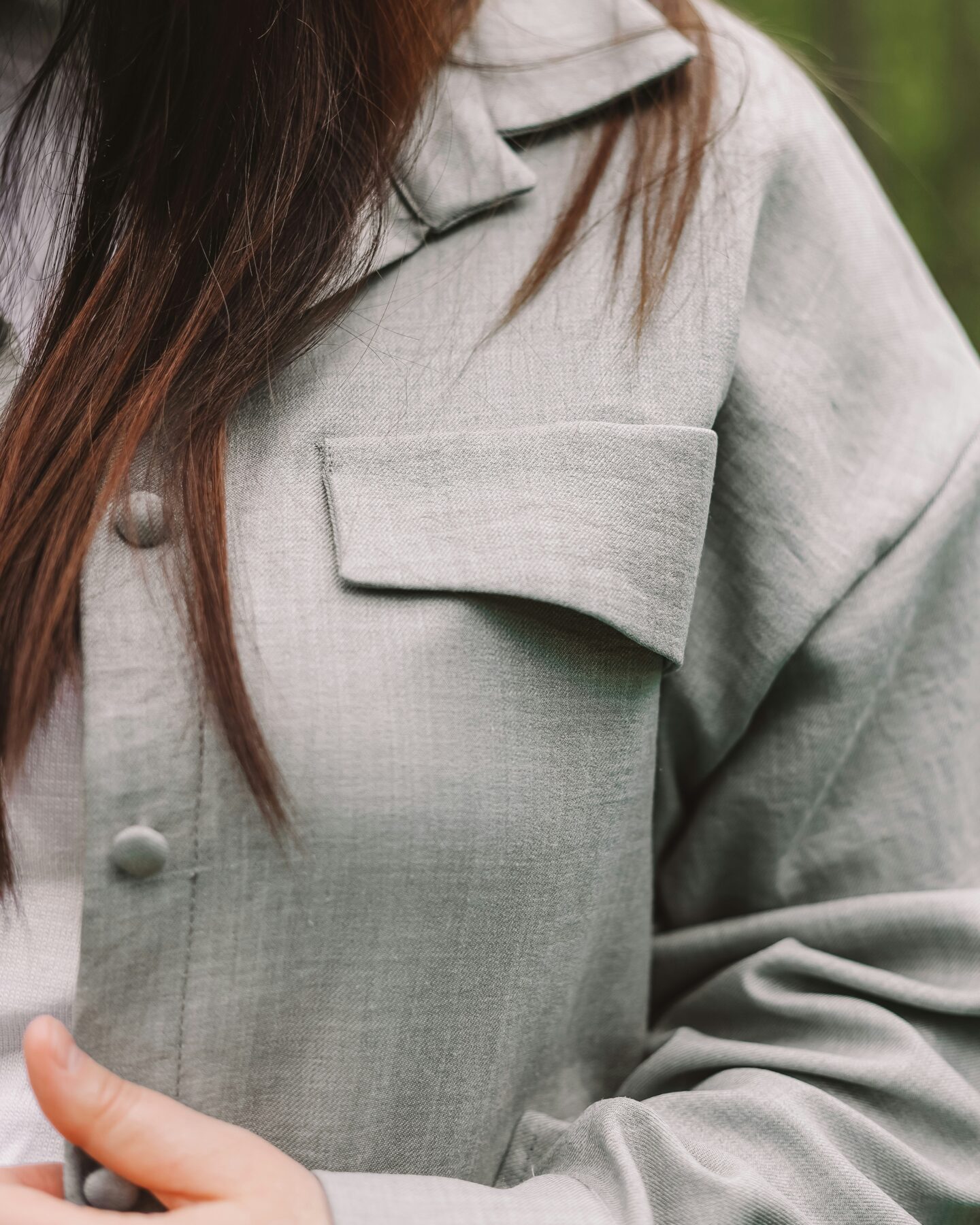
You start to notice how easily this translates into real wardrobes. A linen shirt worn open over a simple tank and vintage denim isn’t just “for the 4th”—it’s something you’ll reach for again on warm weekends. The same goes for a relaxed midi dress in soft blue or a lightweight knit thrown over your shoulders when the temperature drops after sunset.
What makes this approach work is its flexibility throughout the day. A simple base—denim shorts and a white top, for instance—can shift effortlessly from a casual afternoon barbecue to an evening gathering. Styling adjustments do the work: sandals swapped for something sleeker, a structured layer added, a deeper lip colour as the light fades.
Behind the scenes, this change is shaping how fashion is sourced and sold. According to recent wholesale data, searches for versatile summer pieces have significantly outpaced novelty holiday items in the lead-up to July. For boutique owners and stylists, this means focusing less on statement gimmicks and more on refined selections. Carefully curated ranges of wholesale patriotic apparel are increasingly built around wearable silhouettes, soft colour palettes, and fabrics that feel relevant well beyond a single date.
Texture, in particular, is doing more of the work this season. Breathable cotton, soft ribbed knits, and linen blends don’t just look better in natural light—they also align with what shoppers are actively prioritising. Comfort-led fashion continues to dominate, with lightweight and natural fabrics seeing consistent growth across summer collections year after year.
There’s also the influence of how people document these moments. Social platforms have subtly reshaped what “works” visually. Outfits that move naturally, catch the light, and feel effortless tend to resonate far more than anything overly styled. It’s less about standing out dramatically, and more about looking like yourself—just slightly elevated.
Accessories follow the same logic. A silk scarf, worn loosely. Jewellery that catches the light without overwhelming the look. Even a soft red lip, applied almost absentmindedly, can feel more current than a heavily coordinated theme.
All of this is quietly redefining what 4th of July women’s apparel actually means. It’s no longer a separate category built around one-day demand, but part of a broader summer wardrobe strategy—one that prioritises repeat wear, comfort, and understated style.
In many ways, getting dressed for the 4th now feels less like preparation and more like continuation. You’re not assembling a costume—you’re refining what you already own, adjusting it slightly to match the rhythm of the day.
And somewhere between the late afternoon light, the hum of conversation, and the ease of an outfit that doesn’t need adjusting, the whole idea of dressing for the occasion becomes secondary.
Because when it’s done well, it doesn’t feel like effort at all.



Leave a Reply