There has been a shift in the purchasing pattern of diamond jewellery in India. In the past, diamonds were primarily bought for wedding ceremonies and family events. However, apart from being worn on such occasions, people are now looking at buying diamonds to wear on an everyday basis and also as gifts for personal achievements.
According to the 2025 De Beers India Diamond Acquisition Study, the share of India in the demand for diamond jewellery has risen from 10% in 2019 to 12%. India is currently the second largest diamond jewellery market in the world after the US.
Diamonds Are Moving Beyond Special Occasions
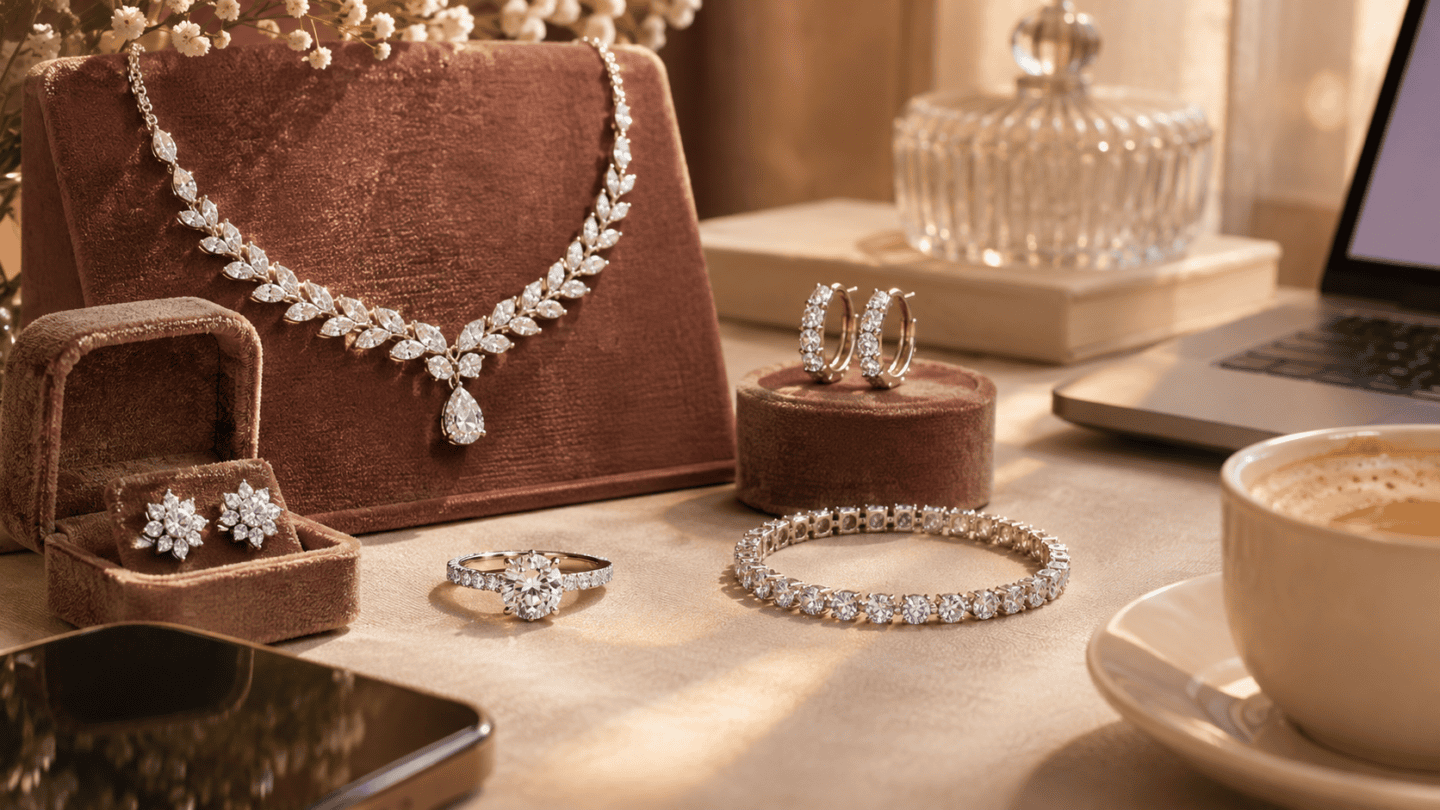
One clear change is how often people wear the jewellery they buy. Recent findings show that 52% of acquired natural diamond jewellery is now worn every day, while only 10% is reserved for special occasions. In 2014, 56% was worn mainly for special occasions and 27% daily.
This shift has brought more attention to simple pieces for regular use. Small earrings, slim bracelets, pendants and rings can be worn with office clothes as well as traditional outfits. Comfort and ease of pairing matter alongside appearance. Buyers are showing mo re interest in versatile diamond jewellery that does not need to be saved for a particular event.
More People Are Buying Jewellery for Themselves
The buying of diamonds is no longer limited to diamond purchases as gifts from partners or relatives. Self-purchases have become one of the significant factors in the buying process. The findings of the 2025 study show that women accounted for 64% of natural diamond jewel purchases apart from marriage itself.
Buying can celebrate the achievement of a milestone, a birthday, or just the desire to buy something that was desired for a long time. It allows consumers a chance to purchase based on personal preference as opposed to only on the occasion.
However, wedding purchases are also being redefined where the bride plays a major part in selecting the jewelry as far as design and choice is concerned.
Younger Buyers Have Different Priorities
Young consumers also play a key role in the trend. According to the findings of the 2025 De Beers India report, combined the Gen Z and millennial generations make up 86% of the total value of the natural diamond jewelry market. Young consumers do their research and look for designs that match their tastes.
Designs that are minimalist, geometrical and versatile and fit into the everyday life are attractive for those seeking a jewelry design. Social media shows consumers various design options; however, not all details of the piece are captured in photos. Detailed product information is still crucial.
Lab-Grown Diamonds Have Added Another Choice
Lab-grown diamonds are created in controlled environments using methods such as High Pressure High Temperature (HPHT) and Chemical Vapour Deposition (CVD). They have essentially the same chemical composition and crystal structure as natural diamonds. The difference is how they are formed.
Price is one reason buyers consider them. The 2025 De Beers India study reported that the average price paid for a lab-grown diamond jewellery piece in 2024 was about 26% lower than the average for a natural diamond piece. This can allow buyers to consider a larger stone or a more detailed design within a fixed budget.
Interest in lab-grown diamond jewellery does not mean natural diamonds have lost their place. Natural stones continue to be chosen for weddings, family milestones and pieces intended to become heirlooms. Lab-grown diamonds offer another price point for buyers who place greater importance on size, design or affordability. The two categories also have different supply conditions and resale markets.
Online Research and In-Store Shopping Work Together
Most buyers first compare designs, prices, and diamond ratings through online shopping before coming to the shop. According to KPMG India’s fine jewellery customer experience survey, 47% of the customers perceived the pre-purchase phase as the most critical one in their shopping experience. Easy availability of the product and virtual or real testing were some of the factors listed.
Personal observation is important too. People may wish to see how a diamond reflects light, the setting of a diamond, and the weight of a product. Returns and price discrepancies can influence the decision.
Traditional Jewellery Still Matters
Modern designs have not removed the demand for traditional jewellery. Weddings and festivals remain important buying occasions, and classic diamond sets continue to have a place. Some now prefer lighter necklaces, smaller earrings or pieces that can be worn separately.
Looking at different diamond necklace designs shows how stone arrangement, length and setting can change the appearance of a piece. Some prefer a style that works with both Indian clothing and simpler outfits.
What Buyers Expect Today
The Indian consumer is not going towards one particular kind of diamond or design. There are some who have a preference for natural diamonds along with traditional designs, whereas some have a preference for new designs or laboratory-made diamonds.
Among all these preferences, transparency holds importance. The consumer needs to know what type of diamond it is, its rating, design, price, and after-sales terms.



Leave a Reply