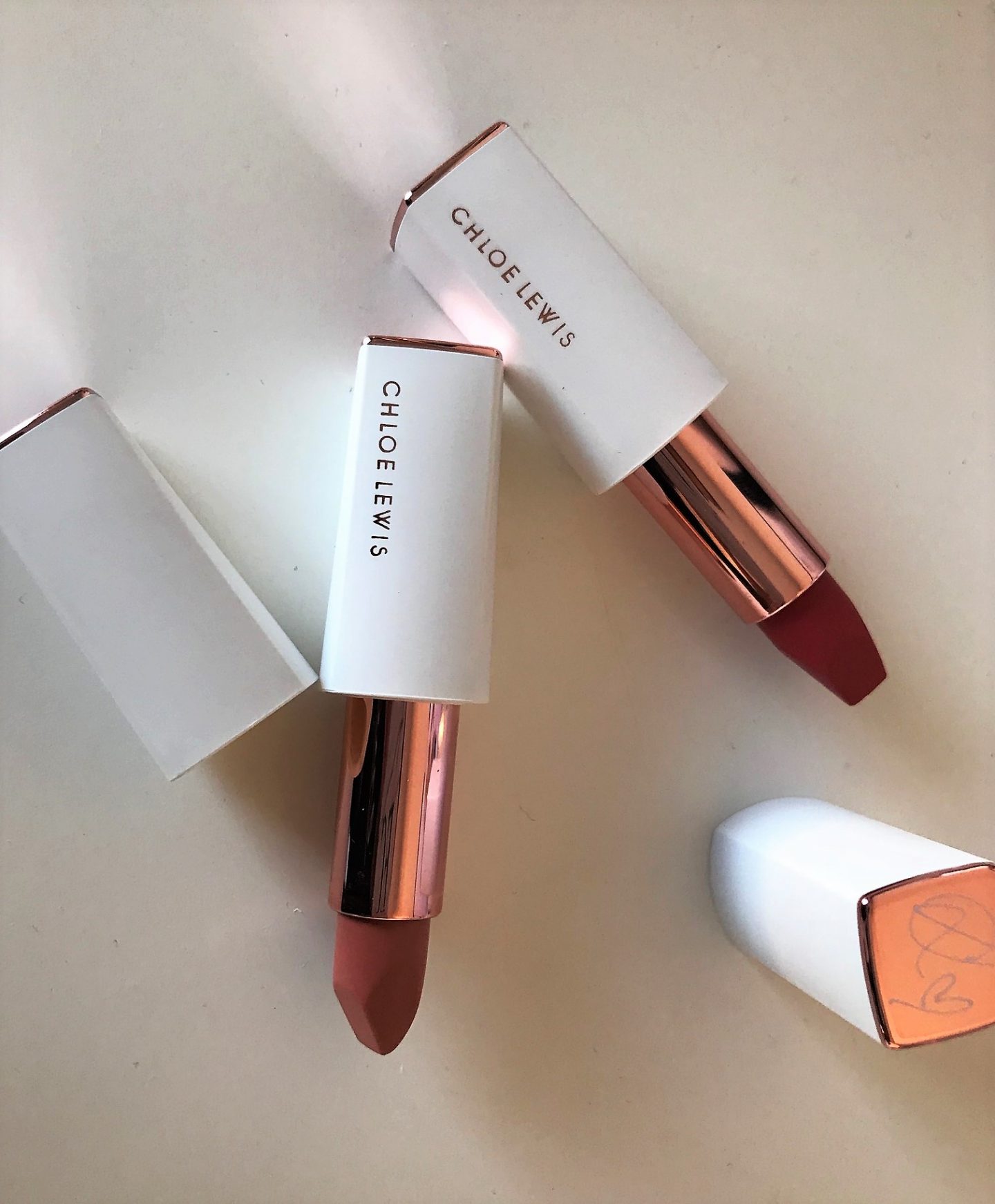
How flawless does a lipstick actually have to be before it earns a place on a shelf? In cosmetics the answer is very, because buyers judge a product on its finish long before they ever try it. To hold that standard at the speed a modern fill line runs, manufacturers lean on machine vision, and an industrial USB3 camera is a common choice because it streams a high-resolution image straight to a nearby computer without extra hardware. That lets a line check the look of every unit rather than a sample pulled once an hour.
What can go wrong with a cosmetic product
Cosmetics fail in ways that are mostly visual, which is exactly what makes a camera such a good fit. A lipstick bullet can be scratched, chipped or set at the wrong angle. A foundation or serum can be underfilled, so the bottle looks short beside its neighbours. A compact can close over a hairline crack in the pressed powder. A label can sit crooked, carry a smudged batch code, or belong to the wrong shade entirely. None of these stops the product working, but each reads as poor quality to a customer holding it, and in a category built on appearance that impression is the whole business.
Where a fast camera comes in
A fill and finishing line for cosmetics moves quickly, and the camera has to keep up without becoming the bottleneck. This is where the USB3 interface helps. It carries a high-resolution image to a nearby PC at high frame rates over a standard cable, with no separate capture card to buy or wire, so a compact inspection station drops onto the line with little fuss. The camera sits a short distance from the controller, streams each unit as it passes, and the software makes the pass or fail call in the moment. For a single station checking one point on the line, it is often the simplest route to reliable speed.
Lighting matters as much as the camera here. Cosmetic surfaces range from the high gloss of a lacquered cap to the soft sheen of a pressed powder, and each reflects light differently. A station that lights a glossy bottle the same way it lights a matte compact will miss faults on one or invent them on the other, so the illumination is usually tuned to the specific product the line is running.
The checks that protect a beauty brand
On a cosmetics line, a vision station usually earns its place on a handful of checks:
- Fill level, confirming a bottle or jar holds the right amount so it looks consistent on the shelf.
- Closure and cap, checking a lid is seated and a pump or applicator is present and straight.
- Label and code, verifying the label is present, square, undamaged and matched to the shade and batch.
- Surface finish, spotting a chipped bullet, a cracked pressed powder or a scratch on the packaging.
Grouping the checks this way helps a brand decide where to start, since the highest-value check is rarely the same for a mascara as for a pressed powder.
Questions about inspecting cosmetics
What faults does it catch?
Mostly visual ones: underfilled containers, crooked or wrong labels, unreadable batch codes, missing caps or applicators, and surface damage such as a chipped lipstick or cracked powder. Anything defined by how the product looks is well suited to a camera.
Why choose USB3 over another interface?
For a single station close to the computer, USB3 gives high frame rates with no capture card and simple cabling, which keeps a compact inspection cell cheap and quick to install. Longer runs or many cameras on one controller can favour GigE instead.
Can it check shade and colour?
To a degree, though colour work needs careful, consistent lighting and often a colour-calibrated setup. Many lines use vision to confirm the right label and packaging for a shade rather than to grade the exact colour of the product, which is harder to judge reliably at speed.
Is every unit checked?
On an automated line, yes, for the checks the camera is set up to do. That total coverage is the main advantage over pulling samples by hand, and it is what lets a brand say every unit was inspected rather than a fraction of them.
Adding a vision check to a cosmetics line
If you make cosmetics and want to tighten finish quality, start with the single flaw that drives the most complaints or returns, whether that is short fill, a crooked label or a chipped bullet. Describe what a camera would need to see to catch it, run a short trial on live production at one station, and compare its calls with your current check. A narrow, proven start is far easier to build on than a full-line rollout nobody has tested yet.



Leave a Reply