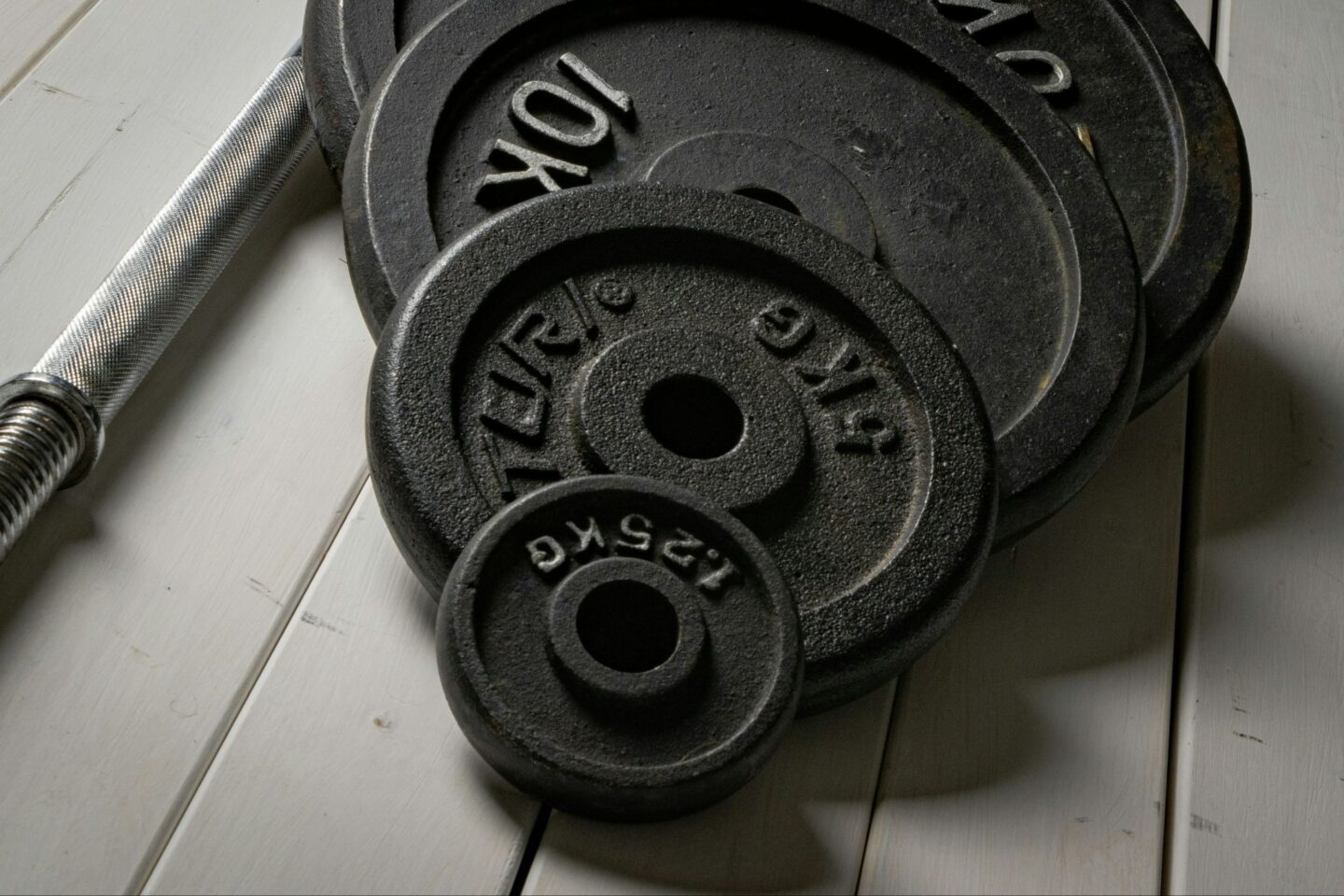
Cast iron weight plates cost less and last for decades, while rubber-coated plates protect flooring and equipment much better during everyday handling. Choosing between the two often comes down to how you use a home gym day to day, rather than one material being simply better than the other. Equipment suppliers such as Factory Weights supply both types, which makes understanding this trade-off genuinely useful before building a weight set collection.
Why Cast Iron Remains a Popular Baseline Choice
Bare cast iron plates have been used in gyms for generations because they are durable, relatively inexpensive, and simple to manufacture in a wide range of weights. A set of cast iron plates, properly cared for, can genuinely last a lifetime without needing replacement, making the initial cost feel more reasonable over time. The main drawback is the noise and impact transmitted when plates are set down or dropped, along with a greater risk of chipping both the plates and the floor beneath them. For a garage gym on a solid concrete floor, these downsides matter considerably less than they would in a converted spare room.
What Rubber Coating Actually Changes
A rubber coating over a cast iron core absorbs impact when plates are set down, reducing noise and the risk of damage to the floor or the plates themselves. This makes rubber-coated plates a sensible choice for a home gym inside a house, particularly one above another room or near shared walls. The coating also protects the plate edges from the kind of chipping that bare cast iron eventually develops with repeated use. This added protection comes at a higher price point, reflecting the extra material and manufacturing process involved.
How Weight Accuracy Differs Between the Two
Cheaper cast iron plates sometimes vary slightly from their stated weight, which matters little for general fitness but can matter more for anyone tracking precise progressive overload. Rubber-coated plates, particularly those manufactured to a tighter tolerance, tend to be more consistently accurate, since the coating process is typically paired with more careful quality control. For most home gym users, this difference is negligible. Still, if you train competitively or follow a structured programme with exact weight increments, it is worth checking manufacturer specifications before buying. Asking a supplier directly about weight tolerance clarifies this before committing to a full set.
Considering Noise in a Shared Household
Bare cast iron plates make a distinctly louder sound when set down than rubber-coated equivalents, which matters in a home with young children asleep upstairs or neighbours nearby. This is often an underestimated factor when choosing weight plates, since the noise difference only becomes obvious once training actually begins at typical hours. Rubber-coated plates soften this noise significantly, making early-morning or late-evening sessions far less disruptive to the rest of the household. Considering training times realistically, rather than assuming noise will not be an issue, helps avoid a regretted purchase.
Weighing Long-Term Value Against Upfront Cost
Cast iron plates offer lower upfront cost and genuine longevity, provided they are used somewhere that can tolerate their noise and impact without issue. Rubber-coated plates cost more initially but protect both flooring and the plates themselves, which can offset some of that additional cost over years of regular use. Neither option is inherently wrong, and the right decision depends heavily on where the home gym is located and how it will actually be used. Working through these practical considerations before ordering avoids a mismatch discovered only after you’ve already purchased a full set.
Choosing the Right Plates for Your Situation
Understanding the case for cast iron, rubber coating changes, weight accuracy differences, noise considerations, and long-term value together helps clarify which weight plate material best suits a specific home gym. Gym equipment suppliers offer both cast iron and rubber-coated options so that you can choose based on real need rather than assumption. Taking the time to consider where and how a gym will be used leads to a far more satisfying long-term investment. A short conversation with a knowledgeable supplier before ordering often clarifies which option makes the most sense for a particular household.



Leave a Reply