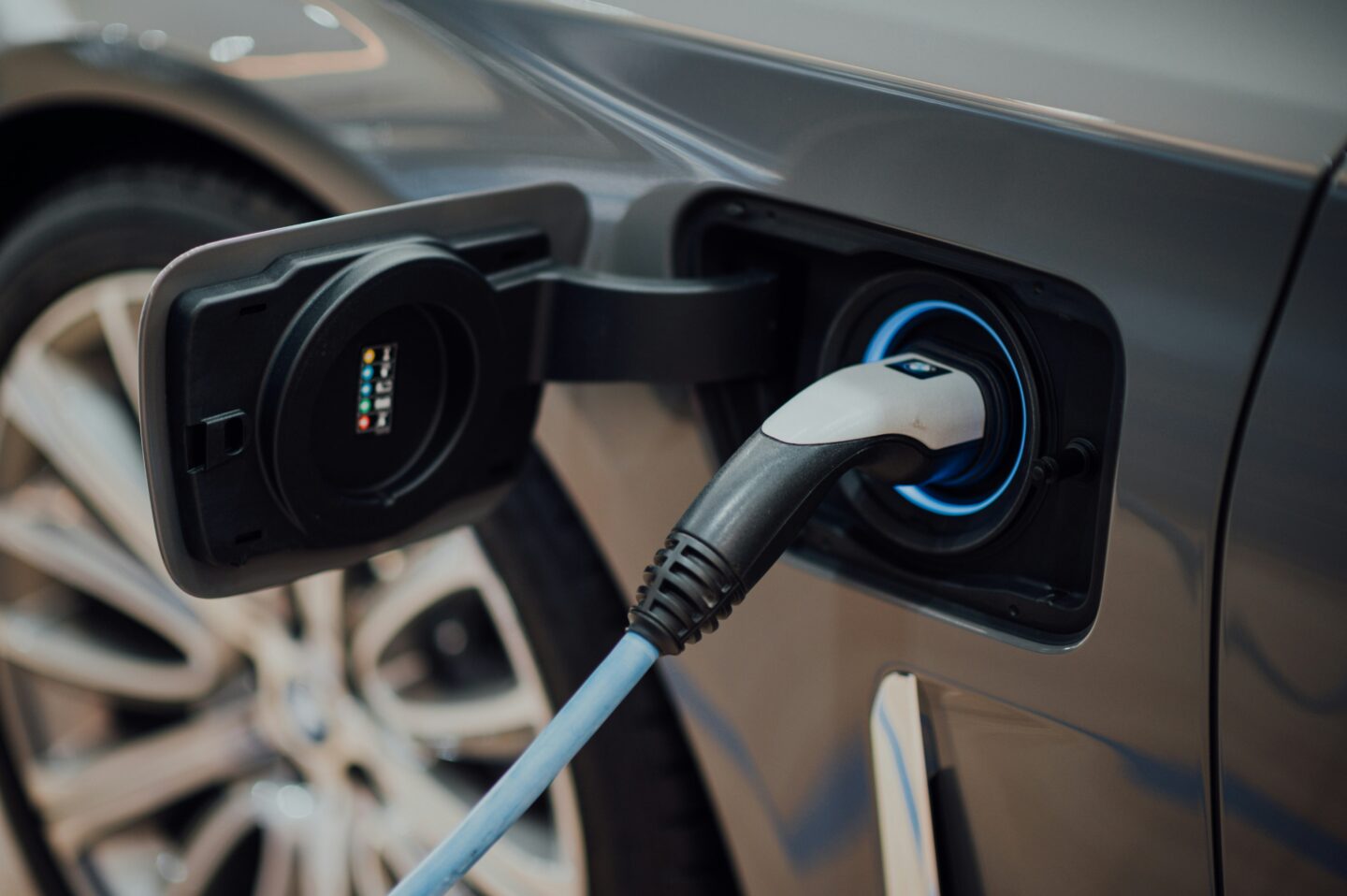
Yes, solar panels can supply electricity to an electric vehicle charging point in Edinburgh. The amount of solar power available will change with roof size, orientation, weather, season, household demand, and the charging schedule.
A suitable system can reduce the amount of grid electricity used for driving. It may not cover every charging session, especially during winter, but careful design can help an Edinburgh household use more locally generated energy.
How Solar Panels Can Charge an Electric Vehicle
Solar panels generate direct current electricity before an inverter converts it for household use. When planning home EV charging, comparing untethered vs tethered EV chargers can help homeowners choose an option that suits their vehicle, charging habits, and everyday convenience.
1. Solar Electricity Reaches the Charger
Solar panels generate electricity whenever enough daylight reaches their cells. An inverter converts that energy into alternating current for the home and vehicle charger.
When solar output exceeds the electricity used by household appliances, the remaining power can flow to the EV. Surplus solar energy then supports vehicle charging.
2. Edinburgh Receives Enough Daylight
Edinburgh receives less annual sunshine than some southern UK locations, but solar panels use daylight rather than heat. They continue generating during cool and cloudy conditions.
Summer brings longer daylight hours and stronger solar output. Winter production is lower, so annual generation estimates should account for Edinburgh’s seasonal conditions.
3. The Grid Covers Any Shortfall
Solar production changes during the day and across the year. Your EV charger can draw additional electricity from the grid whenever the panels cannot meet its full power demand.
This arrangement keeps charging reliable during cloudy weather and after sunset. Blended energy supply allows available solar power and grid electricity to work together.
4. Smart Charging Uses Solar Surplus
A compatible smart charger can adjust its charging rate according to the surplus electricity available. This helps prevent unnecessary grid imports while solar generation rises or falls.
Some systems offer solar-only and mixed charging modes. Automatic charging controls allow drivers to choose between maximum solar use and a faster charging session.
5. Battery Storage Extends Solar Use
A home battery can store surplus solar electricity that is not used immediately. That energy may support EV charging later when solar production has fallen or stopped.
Storage capacity is limited, so a battery may not fully charge an EV. Stored solar electricity can still reduce grid demand during evening or early morning charging.
6. Roof Capacity Affects Generation
The number of panels that fit on the roof helps determine total system capacity. Chimneys, dormers, skylights, access spaces, and shaded areas may reduce usable space.
A larger array can produce more electricity when conditions are suitable. Available roof area must be assessed alongside orientation, pitch, structural condition, and shading.
7. Charging Speed Depends on Power
An EV charger may require more power than the solar array is producing at a particular moment. The difference can come from the grid or charging can continue at a lower rate.
Slower daytime charging may use a greater share of solar electricity. Flexible charging speed helps balance departure deadlines with the goal of reducing grid imports.
What Determines How Much Solar Power Your EV Uses?
No single percentage applies to every Edinburgh home. The share of EV charging supplied by solar panels depends on the property, system capacity, vehicle, mileage, and charging behaviour.
Real consumption data provides a better basis for planning than broad assumptions. An assessment should consider how much electricity is produced and when the vehicle is available.
- Roof orientation affects daily solar exposure.
- Roof pitch influences panel output and drainage.
- Trees and buildings can create unwanted shade.
- More panel capacity can increase available power.
- Household appliances reduce surplus EV energy.
- Daytime charging increases direct solar use.
- Winter conditions lower solar generation.
How to Plan Solar EV Charging in Edinburgh
Successful solar EV charging begins with a review of the roof, electrical system, consumption pattern, vehicle, and parking arrangement. Equipment should be selected as one coordinated system.
Review Your Driving Pattern
Start with the distance travelled during a normal week and the vehicle’s average energy consumption. This gives a practical estimate of how much charging energy is required.
Include occasional longer journeys rather than relying only on daily commuting. Weekly driving demand helps determine whether daytime solar charging can meet a useful share.
Check When the Vehicle Is Home
An EV can use solar electricity directly only when it is connected during generation hours. Working from home or charging on weekends may increase direct solar consumption.
Drivers who return after sunset may benefit more from battery storage or off-peak tariffs. Vehicle availability is as important as panel output when planning the system.
Assess the Roof Properly
A roof survey should examine orientation, pitch, structural condition, shading, usable area, and safe installation zones. Each factor affects output or panel placement.
Ground-mounted panels or alternative roof sections may be considered where appropriate. Site-specific solar design provides a stronger estimate than using roof dimensions alone.
Select a Compatible Charger
A smart charger should match the vehicle, electrical supply, solar system, and preferred charging method. Not every charger offers the same solar integration features.
A professional assessment of EV charging point installation can identify compatible charging equipment for the home and solar array.
Choose the Right Solar Array
System size should reflect usable roof space, current electricity demand, expected EV charging, and possible future changes. Filling the roof is not always necessary or practical.
Panel efficiency becomes more important where installation space is limited. Predicted annual output should be based on the actual roof rather than an ideal unshaded example.
Consider Battery Storage Carefully
Battery storage can save surplus daytime generation for evening use. Its financial and practical value depends on solar exports, household demand, tariffs, and charging times.
A battery should not be oversized simply because an EV has a large battery. Usable storage capacity must reflect realistic daily surplus and household energy needs.
Plan Around Edinburgh’s Seasons
Solar output varies sharply between summer and winter. Long summer days may support regular daytime charging, while winter charging will often need more grid electricity.
A credible proposal should provide monthly or seasonal generation estimates. Year-round planning prevents strong summer output from creating unrealistic expectations for December.
Questions to Ask Before Installing the System
A clear proposal should explain how the panels, inverter, charger, grid supply, and any battery will operate together. Specific system assumptions make different quotations easier to compare.
The installer should also explain expected generation, charging controls, equipment warranties, monitoring access, electrical work, certification, and the limits of backup or storage features.
- How much annual electricity is the proposed solar array expected to generate?
- How was Edinburgh’s local climate included in the generation estimate?
- How much shading will the roof experience during different seasons?
- What percentage of current household demand could the panels supply?
- How much electricity does the vehicle use during an average week?
- When is the EV normally parked and available for daytime charging?
- Can the charger reduce its power to follow changing solar output?
Conclusion
Solar panels can provide useful electricity for an EV charging point in Edinburgh, especially when the vehicle is connected during daylight hours. Solar production will vary by season, and the grid may still be needed during winter, cloudy weather, or urgent charging. Smart controls and suitable equipment can increase direct solar charging without restricting everyday travel. A site-specific assessment is the most reliable way to match the roof, charger, vehicle, and household demand.



Leave a Reply