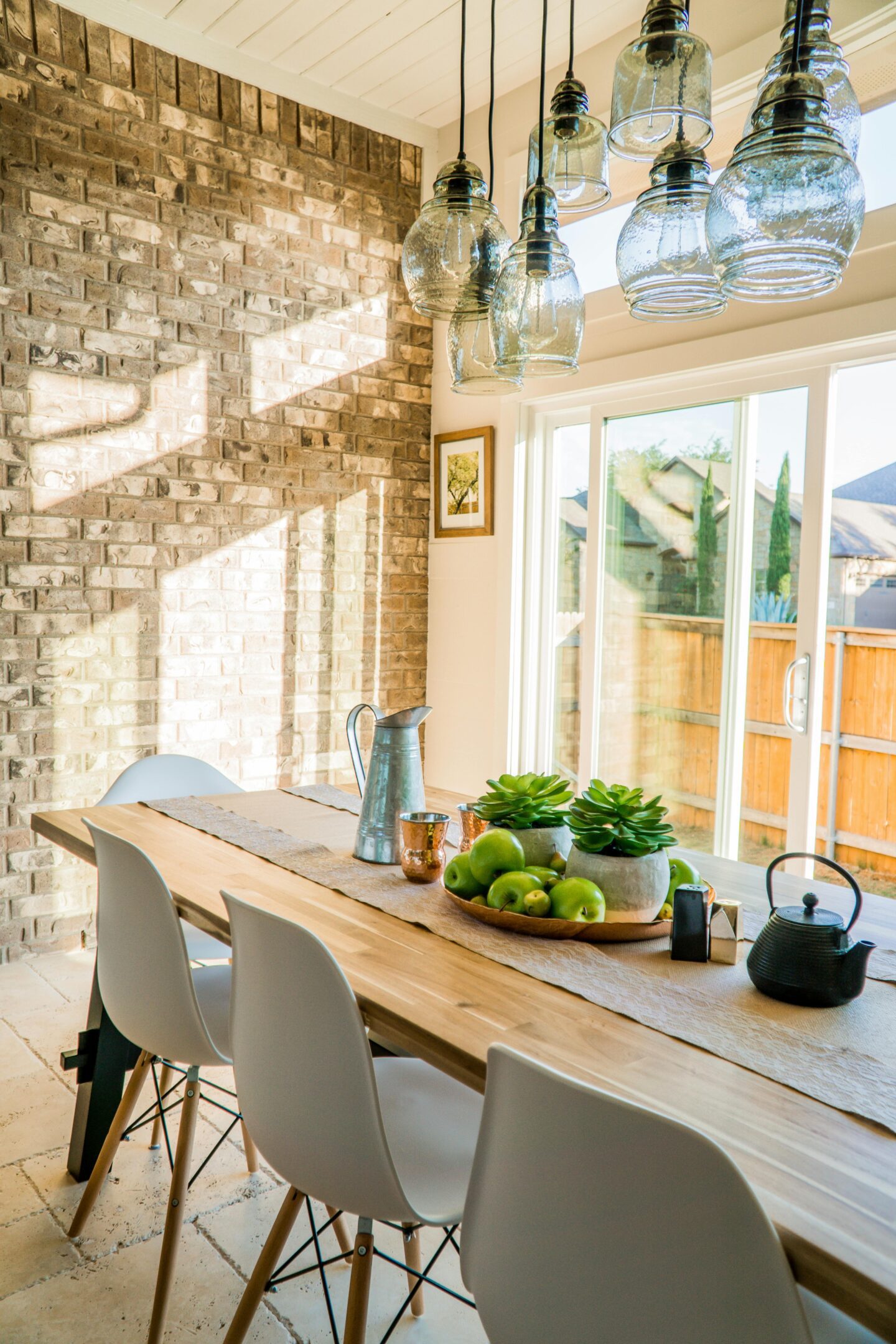
Wooden items have magic of their own. With their elegance and charm, they create an inviting atmosphere and turn any house into a home. But while wood is loved for being a natural material, that’s precisely why it also needs care and attention in order to preserve its beauty and functionality for many years. There are quite a few factors that can affect the lifespan of your wooden furniture, and these can include:
- Humidity, the biggest enemy of wood, can lead to warping, rot, and discoloration;
- Direct sunlight can cause fading and cracking;
- Pests like wood-boring beetles and termites can cause serious damage;
- Heavy pressure or sudden impact can cause the wood to crack or break entirely;
- Harsh cleaning chemicals can damage the wooden surface.
Don’t get downhearted, though. With the right products and techniques, it’s possible to protect your wooden surfaces against damage, restore old ones, and even extend the life of your favourite pieces. Keep reading to discover our expert tips on giving your wooden furniture the attention and care it needs.
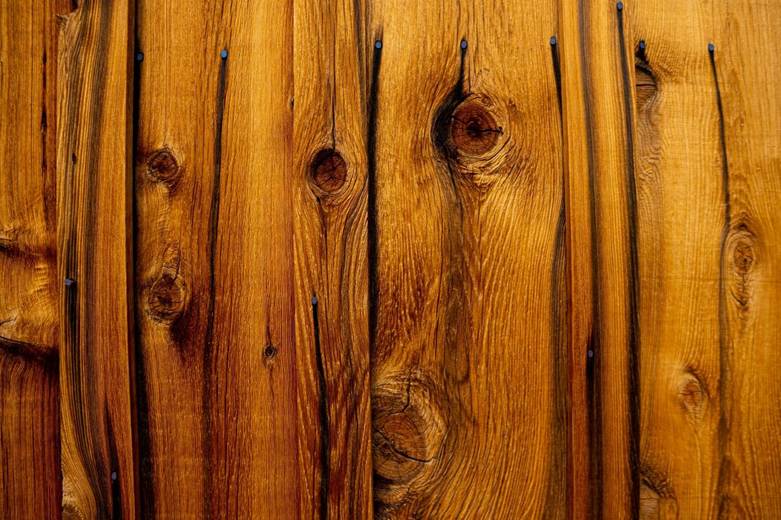
Image source: https://unsplash.com/photos/brown-wooden-door-with-brown-wooden-door-p1JjofxGX5o
Take a close look at your furniture to assess its condition
Before you begin the restoration process, assess the condition of your furniture. Here’s what you should look for:
- Structural integrity of the piece. You want to ensure that the arms, legs, and other components are securely attached and sturdy. If you notice any parts that are wobbly or loose, it is crucial to address them before proceeding. You may need to add wood glue to the joints or replace damaged parts to restore stability. Also, don’t forget to check for signs of insect damage or wood rot, which can also compromise the integrity of your furniture.
- Surface damage. Look for signs of dents, scratches, and other imperfections to determine whether the issue can be resolved with wood filler or sanding, or if more advanced techniques are required.
Clean the surface
Cleaning is definitely a crucial part of reviving your wooden furniture, but here’s the catch: not everyone knows how to do it properly, and without realizing it, they are making mistakes that actually damage their furniture. Don’t worry; it doesn’t mean you’re doomed. If you follow some simple instructions, you can ensure your furniture receives thorough cleaning without damaging the surface.
To begin, use a mild wood cleaner, or alternatively, opt for a mixture of warm water and gentle dish soap. Make sure you have a soft microfibre cloth and dampen it, then wring it out until it’s barely damp. Wipe the surface in the grain’s direction. Use another clean cloth to dry the surface immediately and prevent moisture damage, and definitely steer clear of harsh chemical cleaners, which can dry out the wood.
Fix scratches and dents
For light surface scratches, apply a combination of equal parts olive oil and white vinegar using a soft cloth. With gentle movements, rub the solution along the grain, and you’ll see the scratch begin to fade due to the vinegar cleaning it and the oil nourishing the wood. If, however, you’re dealing with deeper scratches or gouges, it’s safer to work with wax-based repair sticks or wood fillers (but make sure the latter matches the wood’s colour and use a putty knife to apply it to the damaged area). Once it’s dried, sand the area smoothly using fine-grit sandpaper, and if necessary, apply a matching stain.
Dents, on the other hand, occur when wood fibres are compressed, and they can be removed with steam. Use a damp cloth and place it over the dent, gently pressing a warm iron (on medium heat) on top of the cloth, but make sure it’s only for a few seconds at a time. The compressed fibres will swell back into place due to the heat and moisture. Make sure to repeat as much as necessary until the dent is minimized, and don’t refinish until the area is entirely dry.
Sand and refinish (if necessary)
If your wooden furniture has deep stains, extensive wear, or an uneven finish, you can restore its beauty through sanding and refinishing. Begin by removing hardware, like handles or knobs, and clean the furniture to remove oils or dirt. Using medium-grit sandpaper, strip away the old finish, being careful not to create scratches by working in the direction of the wood grain. If there are curved surfaces or intricate details, you can still reach those tight areas while preserving the design by using chemical strippers or sanding sponges.
After removing the old finish, use a finer grit to smooth the surface and prepare it for staining or painting, depending on your preference. Ensure the surface is clean by using a tack cloth to wipe away all sanding dust beforehand.
Apply a protective finish
If you want to ensure your furniture piece will look stunning years from now, you can apply a durable finish that suits the type of wood and the purpose of the furniture. Wood oil is an excellent choice because it not only helps protect the piece but also colours it in a single layer, providing a uniform finish. This product can help withstand wear and tear, wind, water, and extreme temperatures by penetrating deep into the wood, and it also nourishes the piece, bringing out its natural grain.
When applying the oil, use a lint-free cloth and allow the oil to penetrate by letting it soak in. Once the wood has absorbed as much oil as needed, wipe off any excess with a soft cloth. Keep in mind that not all products are created equal and take the time to look for one that not only offers durability but is also safe for your environment. For example, on https://rubiomonocoat.co.uk/, you will find wood oil made of natural ingredients that’s not only a safer choice for the planet, but also for your home, especially if you have children or pets.
Don’t neglect regular maintenance
You definitely shouldn’t wait until damage is visible, so make sure to give your wooden furniture the attention it deserves by cleaning it regularly to prevent the buildup of dirt, dust, and grime that can dull its finish over time.
An important thing to note is that wood expands and contracts with seasonal changes, so it’s essential to minimize stress on it by practicing maintenance in accordance with temperature and humidity shifts. For example, in winter, you should use a humidifier to prevent cracking and ensure consistent moisture levels, while in summer, it’s paramount to manage excess humidity by using a dehumidifier, as this will prevent warping and swelling.
The bottom line
As much as you love your wooden furniture, it can wear out in time. Luckily, with the right techniques, products, and a bit of patience, you can restore it to ensure it continues to stay beautiful and functional, adding charm and character to your home for years to come.



Leave a Reply